
How To Cook Chuck Steak In Slow Cooker [GUIDE]
Chuck steak, derived from the shoulder area of the cow, is known for its rich, beefy flavor but is often overlooked due to its toughness compared to more premium cuts. However, when cooked correctly, chuck steak transforms into a tender, succulent dish that can rival any high-end steak. The slow cooker, with its gentle, prolonged heat, is the ideal tool to achieve this transformation. By allowing the connective tissues in the meat to break down over several hours, the slow cooker produces a melt-in-your-mouth texture, infusing the meat with deep, savory flavors from any accompanying broth, vegetables, and seasonings. Slow cooking chuck steak is perfect for busy home cooks who want a hearty, comforting meal without constant supervision.
Contents
- 1 How Long To Cook Chuck Steak In Slow Cooker
- 2 How To Tell If It Is Done
- 3 Ingredients Needed
- 4 How To Cook Chuck Steak In Slow Cooker
- 5 When Things Go Wrong
- 6 Expert Tips
- 7 Can I Do This Without A Slow Cooker?
- 8 Reheating Leftovers In Slow Cooker
- 9 FAQs
- 9.1 What Is The Best Way To Prepare Chuck Steak For The Slow Cooker?
- 9.2 How Long Should Chuck Steak Be Cooked In A Slow Cooker?
- 9.3 Can I Add Vegetables When Cooking Chuck Steak In A Slow Cooker?
- 9.4 Do I Need To Add Liquid When Cooking Chuck Steak In A Slow Cooker?
- 9.5 Should I Cover The Slow Cooker While Cooking Chuck Steak?
- 9.6 Can I Use Frozen Chuck Steak In A Slow Cooker?
- 9.7 How Can I Make A Flavorful Sauce Or Gravy With Slow-cooked Chuck Steak?
- 9.8 What Is The Difference Between Cooking Chuck Steak On Low Vs. High In A Slow Cooker?
- 9.9 Can I Add Wine Or Other Alcohol To The Slow Cooker?
- 9.10 How Should I Store Leftover Slow-cooked Chuck Steak?
How Long To Cook Chuck Steak In Slow Cooker
Cooking time for chuck steak in a slow cooker depends on the thickness of the cut and the temperature setting. As a general guideline:
- Low Setting (recommended): 7-9 hours
- High Setting: 4-6 hours
Chuck steak benefits from long, slow cooking because the extended time allows the collagen in the meat to convert to gelatin, resulting in a tender, juicy texture. Cooking it too quickly at high heat can make the meat dry and tough, so patience is key. If the steak is particularly thick or bone-in, erring on the side of a longer cook time will ensure it falls apart effortlessly.
How To Tell If It Is Done
Determining when chuck steak is done goes beyond checking the clock. Here are signs to look for:
- Tenderness Test: Use a fork to gently pull at the meat. If it slides apart easily, it’s done.
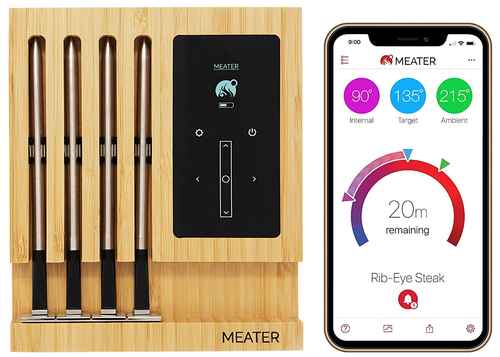
- Internal Temperature: For safety, beef should reach a minimum internal temperature of 145°F (63°C), but for slow-cooked chuck steak, the optimal range is 190-205°F (88-96°C) to ensure maximum tenderness.
- Juiciness and Appearance: The meat should look moist and rich in color, and the juices should run clear or slightly tinted with gravy or broth.
A perfectly cooked chuck steak will be fork-tender but still retain its shape if handled gently.
Ingredients Needed
To create a classic slow-cooked chuck steak dish, you’ll need the following:
- 2-3 pounds of chuck steak, trimmed of excess fat
- 2 tablespoons olive oil or vegetable oil
- Salt and freshly ground black pepper
- 1 large onion, sliced
- 3-4 cloves garlic, minced
- 2-3 carrots, peeled and chopped
- 2-3 stalks celery, chopped
- 1 cup beef broth or stock
- 1/2 cup red wine (optional, adds depth)
- 2 tablespoons tomato paste
- 1-2 sprigs fresh rosemary or thyme (or 1 teaspoon dried herbs)
- 1-2 bay leaves
- Optional: mushrooms, potatoes, or other root vegetables
These ingredients combine to create a rich, aromatic braising liquid that enhances the beef’s natural flavor while keeping it moist during the slow-cooking process.
How To Cook Chuck Steak In Slow Cooker
- Preparation: Pat the steak dry with paper towels. Season generously with salt and pepper.
- Searing (Optional but Recommended): Heat oil in a skillet over medium-high heat. Sear the steak for 2-3 minutes per side until browned. This step locks in flavor and develops a deeper, caramelized taste.
- Layering the Slow Cooker: Place the onions, garlic, carrots, and celery at the bottom. Position the seared steak on top.
- Adding Liquids and Herbs: Pour the beef broth (and wine, if using) over the steak. Stir in tomato paste and tuck in rosemary, thyme, and bay leaves.
- Cooking: Cover and cook on low for 7-9 hours or on high for 4-6 hours. Resist the urge to lift the lid frequently, as this releases heat and extends cooking time.
- Finishing Touches: Remove herbs and bay leaves before serving. Optionally, thicken the juices with a cornstarch slurry (1 tablespoon cornstarch mixed with 1 tablespoon cold water) for a flavorful gravy.
When Things Go Wrong
Even slow cooking can go wrong. Common issues and fixes include:
- Meat is tough: Likely undercooked. Return it to the slow cooker with extra liquid and cook for another hour or two.
- Meat is dry: Usually due to overcooking or insufficient liquid. Serve with the braising liquid to add moisture.
- Flavor is bland: Taste the broth midway through cooking. Adjust seasonings or add a splash of Worcestershire sauce or soy sauce to intensify flavor.
- Vegetables are mushy: Some vegetables cook faster than meat. Add delicate vegetables like potatoes or mushrooms halfway through cooking to maintain texture.
Expert Tips
- Cut Thickness Matters: Uniform thickness ensures even cooking.
- Sear for Flavor: Browning the steak before slow cooking dramatically enhances depth.
- Don’t Peek: Each time you lift the lid, heat escapes, slowing cooking.
- Use the Right Cut: Chuck steak or shoulder cuts with marbling work best. Lean cuts dry out quickly.
- Layer Wisely: Denser vegetables go at the bottom, while the meat rests on top to cook evenly.
Can I Do This Without A Slow Cooker?
Yes, you can mimic slow cooker results using an oven or stovetop:
- Oven: Preheat to 275-300°F (135-150°C). Place seared steak and vegetables in a covered Dutch oven with liquid. Cook for 3-5 hours until tender.
- Stovetop: Use a heavy-bottomed pot over very low heat. Cover and simmer gently for 3-5 hours, checking occasionally to maintain liquid levels.
The key is low, slow, and steady heat to break down collagen without drying out the meat.
Reheating Leftovers In Slow Cooker
Reheating chuck steak in a slow cooker preserves tenderness:
- Place leftovers in the slow cooker.
- Add a small splash of beef broth or water to prevent drying.
- Cover and reheat on low for 1-2 hours or until warmed through.
- Avoid high heat, which can toughen the meat.
This method is gentler than microwaving and keeps the meat moist.
FAQs
What Is The Best Way To Prepare Chuck Steak For The Slow Cooker?
Trim any excess fat from the chuck steak and optionally season it with salt, pepper, and your choice of herbs or spices. Some recipes recommend searing the steak in a hot skillet for 2-3 minutes per side before placing it in the slow cooker to enhance flavor and color.
How Long Should Chuck Steak Be Cooked In A Slow Cooker?
Cook chuck steak on low heat for 6-8 hours or on high heat for 3-4 hours. The long, slow cooking process breaks down the connective tissue, making the meat tender and flavorful.
Can I Add Vegetables When Cooking Chuck Steak In A Slow Cooker?
Yes. Root vegetables like carrots, potatoes, and onions are ideal. Place them at the bottom of the slow cooker so they cook evenly, with the steak on top. This ensures the vegetables absorb the meat’s juices and flavor.
Do I Need To Add Liquid When Cooking Chuck Steak In A Slow Cooker?
Yes. Add at least 1/2 to 1 cup of liquid, such as beef broth, stock, wine, or a combination. The liquid helps maintain moisture, prevents sticking, and creates a rich sauce or gravy for the dish.
Should I Cover The Slow Cooker While Cooking Chuck Steak?
Always cover the slow cooker with the lid to trap heat and moisture. Removing the lid frequently can extend cooking time and may result in drier meat.
Can I Use Frozen Chuck Steak In A Slow Cooker?
It is not recommended to cook frozen chuck steak directly in the slow cooker because it can stay in the temperature danger zone for too long, increasing the risk of bacterial growth. Thaw the steak in the refrigerator before cooking.
How Can I Make A Flavorful Sauce Or Gravy With Slow-cooked Chuck Steak?
After the steak is cooked, remove it from the slow cooker and thicken the remaining liquid with a mixture of cornstarch and water or reduce it on the stovetop. You can also add aromatics, herbs, and seasonings to enhance the sauce.
What Is The Difference Between Cooking Chuck Steak On Low Vs. High In A Slow Cooker?
Cooking on low allows the connective tissues to break down gradually, producing more tender meat, while cooking on high is faster but may result in slightly less tender texture. Low heat is preferred for optimal tenderness.
Can I Add Wine Or Other Alcohol To The Slow Cooker?
Yes, small amounts of wine, beer, or spirits can enhance the flavor, but they should be used in moderation. Alcohol mostly cooks off during the long cooking time, leaving a rich, deep flavor behind.
How Should I Store Leftover Slow-cooked Chuck Steak?
Allow the meat and sauce to cool to room temperature, then store them in airtight containers in the refrigerator for up to 3-4 days. For longer storage, freeze portions for up to 2-3 months, and thaw in the refrigerator before reheating.