
How To Cook Corned Beef Brisket In Slow Cooker [GUIDE]
Corned beef brisket is a time-honored dish with deep roots in Irish and Jewish culinary traditions, celebrated for its rich flavor and tender, melt-in-your-mouth texture. Traditionally associated with St. Patrick’s Day in the United States, this salt-cured cut of beef has a history that dates back centuries. The term "corned" refers not to the vegetable, but to the large grains of rock salt-or ’corns of salt’-used to cure the meat, giving it its distinctive flavor.
While corned beef can be cooked through several methods-boiling, oven roasting, or braising-the slow cooker has emerged as a favorite for home cooks seeking convenience and consistency. The slow cooker allows the brisket to cook gently over hours, breaking down tough connective tissues into succulent, tender meat without requiring constant supervision. This method also infuses the beef with deep, savory flavors, particularly when paired with traditional accompaniments like cabbage, carrots, and potatoes.
Cooking corned beef in a slow cooker is not just about convenience; it’s about transforming a humble cut of beef into a dish that practically falls apart at the fork while maintaining a rich, briny flavor. Yet, achieving the perfect slow-cooked corned beef requires understanding the nuances of cooking times, temperature, and seasoning.
Contents
- 1 How Long To Cook Corned Beef Brisket In Slow Cooker
- 2 How To Tell If It Is Done
- 3 Ingredients Needed
- 4 How To Cook Corned Beef Brisket In Slow Cooker
- 5 When Things Go Wrong
- 6 Expert Tips
- 7 Can I Do This Without A Slow Cooker?
- 8 Reheating Leftovers In Slow Cooker
- 9 FAQs
- 9.1 What Is The Best Cut Of Corned Beef For Slow Cooking?
- 9.2 Should I Rinse Corned Beef Before Cooking It In A Slow Cooker?
- 9.3 How Long Does It Take To Cook Corned Beef Brisket In A Slow Cooker?
- 9.4 Do I Need To Add Liquid When Cooking Corned Beef Brisket In A Slow Cooker?
- 9.5 Should I Cook The Vegetables With The Corned Beef Or Separately?
- 9.6 Can I Cook Corned Beef Brisket Without The Seasoning Packet?
- 9.7 How Do I Know When The Corned Beef Is Done Cooking?
- 9.8 Should I Cook The Corned Beef Fat-side Up Or Fat-side Down?
- 9.9 Can I Freeze Cooked Corned Beef Brisket?
- 9.10 What Can I Serve With Corned Beef Cooked In A Slow Cooker?
How Long To Cook Corned Beef Brisket In Slow Cooker
The cooking time for corned beef brisket in a slow cooker depends largely on the size and thickness of the meat, as well as the setting of your slow cooker. On average:
- Low setting: 8 to 10 hours
- High setting: 4 to 6 hours
These times allow the brisket’s tough connective tissues and collagen to slowly dissolve, producing tender meat. It’s important to avoid rushing the process. Cooking at a higher temperature for too long can dry out the edges of the brisket, while too short a cooking time will leave the meat chewy and dense.
A medium-sized brisket (around 3-4 pounds) on low is generally considered optimal for achieving the classic melt-in-your-mouth texture, as it allows the flavors from the seasoning and accompanying vegetables to deeply permeate the meat.
How To Tell If It Is Done
Determining doneness is crucial to avoid overcooked, dry corned beef. Here are reliable ways to check:
- Fork Test: Gently insert a fork into the thickest part of the brisket. If it slides in and out with little resistance and the meat starts to flake, the brisket is done.
- Internal Temperature: For safety and optimal tenderness, the internal temperature should reach at least 195-205°F (90-96°C). Brisket has more connective tissue than many cuts, so this slightly higher temperature ensures collagen has fully melted.
- Visual Cues: Properly cooked corned beef will have a deep, reddish-brown hue on the exterior, with moist, evenly cooked meat throughout.
Ingredients Needed
The beauty of slow-cooked corned beef lies in its simplicity. Basic ingredients include:
- Corned beef brisket (3-4 pounds, preferably with spice packet included)
- Water or beef broth (enough to cover half of the brisket in the slow cooker)
-
Vegetables
- Carrots, peeled and cut into large chunks
- Potatoes, peeled or scrubbed, cut into halves or quarters
- Cabbage, cut into wedges
- Onion, halved or quartered
-
Seasonings
- Garlic cloves, smashed
- Bay leaves
- Black peppercorns
- Mustard seeds (optional, often included in spice packet)
Optional extras like parsnips, turnips, or a splash of beer can elevate the flavor profile without complicating the process.
How To Cook Corned Beef Brisket In Slow Cooker
- Prep the brisket: Rinse the corned beef under cold water to remove excess brine, which prevents overly salty results. Pat dry.
- Layer vegetables: Place hard vegetables like carrots and potatoes at the bottom of the slow cooker. These act as a natural trivet, keeping the brisket elevated above the liquid.
- Add brisket: Place the brisket on top of the vegetables, fat side up, which helps baste the meat as it cooks.
- Add liquid: Pour in water or broth to cover about half the brisket. Add the spice packet or your own seasonings.
- Cook low and slow: Cover and cook on low for 8-10 hours or on high for 4-6 hours.
- Add cabbage last: Cabbage cooks quickly, so add wedges in the last 1-2 hours to avoid overcooking.
- Rest before slicing: Remove brisket from the slow cooker and let it rest for 10-15 minutes before slicing against the grain to ensure tenderness.
When Things Go Wrong
Even in slow cooking, mistakes happen. Common issues include:
- Tough meat: Usually a result of undercooking or slicing too soon. Make sure to cook long enough and slice against the grain.
- Too salty: Rinsing the corned beef thoroughly before cooking helps. Reducing or skipping the seasoning packet can also help.
- Mushy vegetables: Adding delicate vegetables like cabbage too early can result in a soggy texture. Always add in the last stage of cooking.
Expert Tips
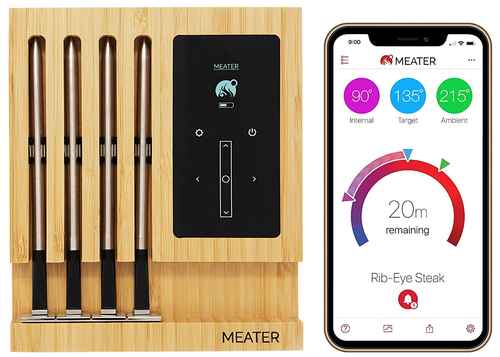
- Use a meat thermometer: Never rely solely on time; the internal temperature is the most accurate gauge.
- Layering matters: Keep meat on top and vegetables below to prevent soggy or overcooked veggies.
- Fat retention: Cooking fat side up helps keep the meat moist and flavorful.
- Spice infusion: Smashing garlic and using fresh herbs enhances the aroma and depth of flavor.
- Avoid lifting the lid: Every peek prolongs cooking time by releasing heat and moisture.
Can I Do This Without A Slow Cooker?
Absolutely. Corned beef can be cooked using:
- Stovetop: Simmer in a large pot with water and seasonings for 3-4 hours.
- Oven: Braise in a covered Dutch oven at 300°F (150°C) for 3-4 hours.
- Pressure cooker / Instant Pot: Cook under high pressure for 90 minutes for faster results, though slow cooking still yields superior texture.
The key difference is that slow cookers provide gentle, consistent heat, which is harder to replicate without careful temperature control.
Reheating Leftovers In Slow Cooker
Leftover corned beef is forgiving and can be reheated gently:
- Slice the brisket against the grain.
- Place in the slow cooker with a splash of broth or water.
- Heat on low for 1-2 hours until warmed through, avoiding high heat to prevent drying.
- Reheat vegetables separately if necessary to maintain texture.
This method ensures leftovers remain tender and juicy, almost as good as freshly cooked.
FAQs
What Is The Best Cut Of Corned Beef For Slow Cooking?
The best cut of corned beef for slow cooking is the flat cut. It is leaner and cooks more evenly compared to the point cut, which is fattier. The flat cut is also easier to slice after cooking.
Should I Rinse Corned Beef Before Cooking It In A Slow Cooker?
It is recommended to rinse the corned beef briefly under cold water before cooking to remove excess salt and brine, which can be too strong. However, if you prefer a saltier flavor, you can skip rinsing.
How Long Does It Take To Cook Corned Beef Brisket In A Slow Cooker?
Cooking corned beef brisket in a slow cooker typically takes 8-10 hours on low heat or 4-5 hours on high heat. The cooking time may vary depending on the size of the brisket and the specific slow cooker model.
Do I Need To Add Liquid When Cooking Corned Beef Brisket In A Slow Cooker?
Yes, you should add liquid to ensure the brisket cooks evenly and remains moist. Typically, water, broth, or beer are used, with enough liquid to cover the meat halfway. The corned beef will release some of its own moisture as it cooks.
Should I Cook The Vegetables With The Corned Beef Or Separately?
You can cook vegetables like potatoes, carrots, and cabbage with the corned beef in the slow cooker. Add the vegetables during the last 2-3 hours of cooking to prevent them from becoming too soft or mushy.
Can I Cook Corned Beef Brisket Without The Seasoning Packet?
While the seasoning packet that comes with most corned beef briskets is traditional, you can cook it without it. You can create your own seasoning mix using spices like mustard seeds, coriander, black pepper, and bay leaves for a customized flavor.
How Do I Know When The Corned Beef Is Done Cooking?
Corned beef is done when it is fork-tender and easily shreds. The internal temperature should be around 190-200°F (88-93°C) for optimal tenderness. Use a meat thermometer to check if you prefer more precision.
Should I Cook The Corned Beef Fat-side Up Or Fat-side Down?
It is generally recommended to cook corned beef fat-side up. This allows the fat to melt and baste the meat, keeping it moist and flavorful throughout the slow cooking process.
Can I Freeze Cooked Corned Beef Brisket?
Yes, you can freeze cooked corned beef brisket. Once it has cooled to room temperature, slice or leave it whole, then wrap it tightly in plastic wrap or aluminum foil, and store it in a freezer-safe bag or container for up to 2-3 months.
What Can I Serve With Corned Beef Cooked In A Slow Cooker?
Corned beef pairs well with traditional sides like mashed potatoes, boiled cabbage, and carrots. You can also serve it with a hearty mustard sauce, pickles, or even use it in sandwiches such as a classic Reuben.