
How To Cook Cornish Hen In Slow Cooker [GUIDE]
Cornish hens, often called Cornish game hens, are small, tender birds with a delicate flavor that sits perfectly between chicken and turkey. Their compact size-typically ranging from 1 to 2 pounds-makes them ideal for individual servings or intimate meals, yet they are flavorful enough to impress at any dinner table. Cooking them in a slow cooker elevates the experience, allowing the meat to become meltingly tender while infusing every bite with the aroma of herbs, spices, and broth. Unlike roasting or grilling, slow cooking ensures that the bird remains moist, the skin, while not crisp, absorbs flavor, and the meat can practically fall off the bone. This method is perfect for busy cooks who want a hands-off approach without sacrificing taste or texture.
Contents
- 1 How Long To Cook Cornish Hen In Slow Cooker
- 2 How To Tell If It Is Done
- 3 Ingredients Needed
- 4 How To Cook Cornish Hen In Slow Cooker
- 5 When Things Go Wrong
- 6 Expert Tips
- 7 Can I Do This Without A Slow Cooker?
- 8 Reheating Leftovers In Slow Cooker
- 9 FAQs
- 9.1 What Is The Best Way To Prepare Cornish Hen For A Slow Cooker?
- 9.2 Do I Need To Sear The Cornish Hen Before Placing It In The Slow Cooker?
- 9.3 What Liquid Should I Add To The Slow Cooker?
- 9.4 What Is The Ideal Cooking Time For Cornish Hen In A Slow Cooker?
- 9.5 Should The Slow Cooker Be Covered During Cooking?
- 9.6 Can I Cook More Than One Cornish Hen At A Time?
- 9.7 How Do I Know When The Cornish Hen Is Fully Cooked?
- 9.8 Can I Add Vegetables To The Slow Cooker With The Cornish Hen?
- 9.9 How Do I Prevent The Cornish Hen From Drying Out?
- 9.10 Can Leftovers Of Slow-cooked Cornish Hen Be Safely Stored?
How Long To Cook Cornish Hen In Slow Cooker
Timing is crucial when slow cooking Cornish hens. Typically, a small bird weighing 1 to 1.5 pounds will take:
- On Low: 4-5 hours
- On High: 2-3 hours
The size of the hens, your slow cooker model, and whether the hens are stuffed or unstuffed can slightly alter these times. Overcooking, even by 30-60 minutes, can lead to dry meat, especially the breast, while cooking too briefly risks undercooked poultry, which is unsafe. For the most reliable results, always check doneness with a thermometer rather than relying solely on timing.
How To Tell If It Is Done
Determining doneness in Cornish hens is a combination of temperature checks, visual cues, and texture tests:
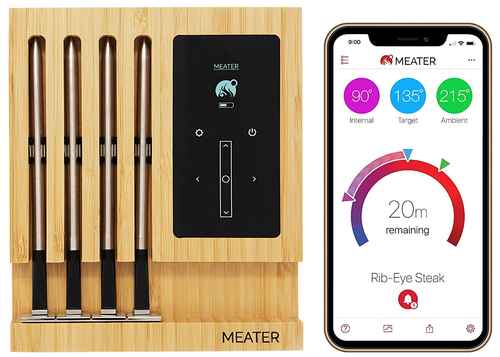
- Internal Temperature: Use a meat thermometer to check the thickest part of the thigh. It should read 165°F (74°C). The breast can cook slightly faster, but the thigh ensures overall safety.
- Juices: When pierced, the juices should run clear, not pink or red.
- Texture: The meat should be tender but firm. If it’s falling apart excessively, it may be overcooked. Conversely, if it resists separation, it may need more time.
Ingredients Needed
Here’s a classic setup for slow cooker Cornish hen that balances flavor and simplicity:
- Cornish hens: 1-2, about 1-1.5 pounds each
- Olive oil or melted butter: 2-3 tablespoons for brushing
- Salt and black pepper: to taste
- Garlic: 3-4 cloves, minced
- Onion: 1 medium, sliced
- Carrots and celery: 1 cup each, cut into chunks
- Lemon: 1, halved
- Fresh herbs: rosemary, thyme, sage
- Chicken broth or white wine: ½-1 cup
- Optional spices: paprika, cayenne, or garlic powder for additional flavor
These ingredients create a fragrant, moist environment inside the slow cooker, allowing the hen to absorb every note of flavor.
How To Cook Cornish Hen In Slow Cooker
- Prepare the Hens: Rinse and pat dry. Rub inside and out with salt, pepper, and desired spices. Optionally, stuff the cavity with lemon halves and fresh herbs for aromatic infusion.
- Sear (Optional but Recommended): Heat a pan with olive oil or butter and sear the hens on all sides until golden. This step adds depth of flavor but can be skipped if in a rush.
- Prepare Slow Cooker: Lay sliced onions, carrots, and celery on the bottom to act as a natural roasting rack.
- Add Liquid: Pour chicken broth or wine over the vegetables to maintain moisture.
- Cook: Place the hens on top of the vegetables. Cover and cook on low for 4-5 hours or on high for 2-3 hours.
- Rest: Let the hens sit for 5-10 minutes after cooking to allow juices to redistribute.
When Things Go Wrong
Even slow cooking has potential pitfalls:
- Dry Meat: Usually a result of overcooking or insufficient liquid. Adding a bit more broth or cooking on a lower heat can prevent this.
- Underseasoned Hens: Slow cooking can dilute flavors. Season generously and consider a finishing glaze or sauce.
- Mushy Vegetables: Root vegetables can become overly soft if cooked too long. Slice thicker or add them halfway through cooking for better texture.
Expert Tips
- Trussing Matters: Tying legs together keeps the hen compact and ensures even cooking.
- Layer Wisely: Always place vegetables under the bird to prevent sticking and provide a flavorful base.
- Flavor Boost: Rub butter under the skin for richer taste and a slightly more luxurious texture.
- Herb Timing: For maximum aroma, reserve delicate herbs like parsley until the last 30 minutes of cooking.
- Check Early: Every slow cooker cooks differently-start checking 30-60 minutes before the recommended time.
Can I Do This Without A Slow Cooker?
Absolutely. Cornish hens can be roasted in an oven at 375°F (190°C) for 45-60 minutes, depending on size, or cooked on a stovetop in a covered skillet with liquid for about 40-50 minutes. Slow cooking is convenient for hands-off cooking, but oven roasting gives you crispy skin, while a skillet provides a mix of searing and braising.
Reheating Leftovers In Slow Cooker
Slow cookers can also gently reheat leftovers without drying them out:
- Place leftover Cornish hen and juices into the slow cooker.
- Set to low for 1-2 hours or warm for 30-60 minutes.
- Add a splash of chicken broth if the meat seems dry.
- Avoid high heat to prevent toughening the meat.
This method ensures reheated hen remains tender and flavorful.
FAQs
What Is The Best Way To Prepare Cornish Hen For A Slow Cooker?
Rinse the Cornish hen under cold water and pat it dry with paper towels. Season it generously with salt, pepper, herbs, and spices of your choice. Optionally, you can stuff the cavity with aromatics like garlic, onion, lemon, or fresh herbs to enhance flavor.
Do I Need To Sear The Cornish Hen Before Placing It In The Slow Cooker?
Searing is optional but recommended. Browning the hen in a hot skillet with a little oil for a few minutes on each side creates a richer flavor and improves the appearance, but it is not strictly necessary for slow cooking.
What Liquid Should I Add To The Slow Cooker?
Add 1/2 to 1 cup of liquid to the slow cooker to prevent drying and ensure even cooking. Common choices include chicken broth, water, wine, or a combination. The liquid will also contribute to a flavorful base for sauces or gravy.
What Is The Ideal Cooking Time For Cornish Hen In A Slow Cooker?
Cook on low for 4-6 hours or on high for 2-3 hours, depending on the size of the hens. The meat should reach an internal temperature of 165°F (74°C) in the thickest part of the thigh when done.
Should The Slow Cooker Be Covered During Cooking?
Yes, always cover the slow cooker with its lid to retain moisture and heat. Removing the lid frequently will prolong cooking time and can dry out the meat.
Can I Cook More Than One Cornish Hen At A Time?
Yes, you can cook multiple hens, but make sure they fit in a single layer without overcrowding. Overcrowding can result in uneven cooking and affect tenderness.
How Do I Know When The Cornish Hen Is Fully Cooked?
Use a meat thermometer to check the internal temperature. The thickest part of the thigh should read at least 165°F (74°C). The juices should run clear, and the meat should be tender and easily pull away from the bone.
Can I Add Vegetables To The Slow Cooker With The Cornish Hen?
Yes, root vegetables such as carrots, potatoes, and onions work well. Place them at the bottom of the slow cooker so they cook evenly. Keep in mind that denser vegetables may require slightly longer cooking times.
How Do I Prevent The Cornish Hen From Drying Out?
Ensure there is enough liquid in the slow cooker, avoid lifting the lid frequently, and cook at the recommended temperature and time. You can also baste the hen with its juices halfway through cooking if desired.
Can Leftovers Of Slow-cooked Cornish Hen Be Safely Stored?
Yes, store leftovers in an airtight container in the refrigerator for up to 3-4 days. For longer storage, freeze the meat for up to 3 months. Reheat thoroughly to 165°F (74°C) before serving.