
How To Cook Deer Meat In Slow Cooker [GUIDE]
Venison, the tender, lean meat from deer, has long been prized for its rich, earthy flavor and nutritional benefits. Unlike beef or pork, deer meat has minimal fat, which makes it both a healthy and delicious alternative for those seeking a hearty protein source. However, its leanness can also make it challenging to cook properly. Overcooking can quickly render it dry and tough, while undercooking leaves it chewy and unappetizing. The slow cooker offers a perfect solution, allowing the meat to cook gently over time, retaining moisture and absorbing flavors from herbs, spices, and accompanying vegetables. Using a slow cooker transforms even tougher cuts of venison into tender, succulent dishes ideal for family dinners, hunting trips, or cozy nights at home.
Contents
- 1 How Long To Cook Deer Meat In Slow Cooker
- 2 How To Tell If It Is Done
- 3 Ingredients Needed
- 4 How To Cook Deer Meat In Slow Cooker
- 5 When Things Go Wrong
- 6 Expert Tips
- 7 Can I Do This Without A Slow Cooker?
- 8 Reheating Leftovers In Slow Cooker
- 9 FAQs
- 9.1 What Cuts Of Deer Meat Are Best For Slow Cooking?
- 9.2 Do I Need To Brown Deer Meat Before Adding It To The Slow Cooker?
- 9.3 How Much Liquid Should I Use When Slow Cooking Deer Meat?
- 9.4 What Seasonings Work Best With Deer Meat In A Slow Cooker?
- 9.5 How Long Should Deer Meat Cook In A Slow Cooker?
- 9.6 Can I Cook Frozen Deer Meat In A Slow Cooker?
- 9.7 Should I Add Vegetables When Cooking Deer Meat In A Slow Cooker?
- 9.8 How Can I Prevent Deer Meat From Becoming Dry In A Slow Cooker?
- 9.9 Can I Use A Slow Cooker To Make Deer Meat Stew?
- 9.10 How Should I Store Leftovers From Slow-cooked Deer Meat?
How Long To Cook Deer Meat In Slow Cooker
Cooking times in a slow cooker vary depending on the cut, size, and whether the meat is fresh or frozen. Generally, venison should be cooked slowly to ensure it becomes tender without drying out. Here’s a guideline:
- Stew Meat or Cubed Venison: 6-8 hours on low heat, or 3-4 hours on high.
- Venison Roast: 8-10 hours on low heat, or 5-6 hours on high.
- Tender Cuts (like loin or backstrap): 4-6 hours on low to prevent overcooking.
Patience is key. Slow cooking allows connective tissues to break down naturally, infusing the meat with moisture and making it incredibly tender. Using a low setting is usually safer and ensures maximum flavor absorption from any liquids, marinades, or seasonings.
How To Tell If It Is Done
Unlike beef, venison does not have the same marbling to retain moisture, so it’s crucial to monitor doneness carefully:
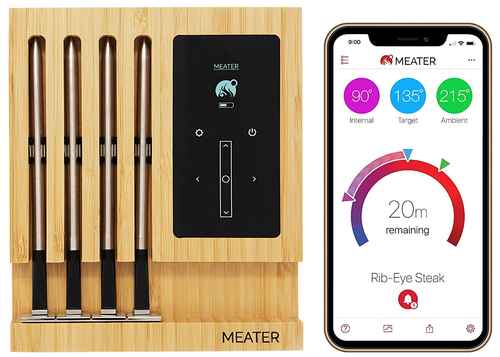
- Internal Temperature: Use a meat thermometer. Venison is safe to eat at 160°F for roasts and 165°F for stew meat. Lean cuts can be cooked slightly less for medium doneness, around 135-140°F, if preferred.
- Fork Test: When the meat easily pulls apart with a fork, it’s done. Tough cuts like shoulder or shank should be melt-in-your-mouth tender.
- Texture & Moisture: The meat should be juicy, not stringy. If it resists slicing or feels dry, it may have overcooked.
Ingredients Needed
A slow cooker allows for endless variations, but a simple, classic approach requires the following:
- Venison meat (stew cubes, roast, or backstrap) – about 2-3 pounds
- Vegetables: carrots, potatoes, celery, onions, and garlic
- Liquid: beef or chicken broth, red wine, or a combination
- Seasonings: salt, black pepper, thyme, rosemary, paprika, or bay leaves
- Optional extras: mushrooms, tomato paste, Worcestershire sauce, or balsamic vinegar for depth of flavor
Fresh herbs, robust spices, and aromatic vegetables enhance the natural flavor of venison without overpowering it.
How To Cook Deer Meat In Slow Cooker
- Prepare the Meat: Trim excess silver skin and fat. Cut the meat into even-sized cubes if using stew meat. Season generously with salt, pepper, and preferred spices.
- Sear for Extra Flavor (Optional): Browning the meat in a skillet before slow cooking develops a deep, caramelized flavor.
- Layer Ingredients: Place vegetables at the bottom of the slow cooker, followed by the venison. Pour in the liquid until it just covers the meat.
- Cook Low and Slow: Set the slow cooker to low for tender, juicy results. Cover and cook according to the guidelines above. Resist lifting the lid frequently, as this releases heat and lengthens cooking time.
- Final Touches: About 30 minutes before serving, taste and adjust seasoning. Add fresh herbs or a splash of vinegar to brighten the dish.
When Things Go Wrong
Even with slow cookers, problems can occur:
- Meat is Tough: Likely undercooked; continue cooking on low, adding more liquid if needed.
- Meat is Dry: Possibly overcooked. Serve with extra sauce or gravy to restore moisture.
- Vegetables Are Mushy: Add vegetables later in the cooking process, especially potatoes and carrots, to prevent over-softening.
- Flavor is Bland: Boost seasoning gradually during the last hour of cooking. A dash of Worcestershire, soy sauce, or fresh herbs can revive flavor.
Expert Tips
- Marinate Ahead: A simple marinade with oil, vinegar, wine, and herbs can enhance tenderness and flavor.
- Use Fat Wisely: Adding a small amount of bacon, butter, or oil compensates for the leanness of venison.
- Cut Uniform Pieces: Ensures even cooking.
- Check Early: Start checking tenderness 30-60 minutes before expected cooking time to avoid overcooking.
- Thickening Sauces: If your sauce is too thin, stir in a slurry of cornstarch and cold water, cooking on high for 15-20 minutes.
Can I Do This Without A Slow Cooker?
Yes. If you don’t have a slow cooker, a Dutch oven or heavy-bottomed pot works well. Use low, steady heat in the oven (275-300°F) or simmer on the stove, covered, for 2-4 hours depending on the cut. Stir occasionally and monitor liquid levels to prevent sticking or drying out.
Reheating Leftovers In Slow Cooker
Leftovers reheat beautifully in a slow cooker without drying out:
- Place cooled leftovers in the slow cooker.
- Add a splash of broth or water to maintain moisture.
- Reheat on low for 1-2 hours until thoroughly warmed. Avoid high heat, which can toughen the meat.
FAQs
What Cuts Of Deer Meat Are Best For Slow Cooking?
Tougher cuts with more connective tissue, such as shoulder, neck, shank, and rump, are ideal for slow cooking. These cuts become tender and flavorful after long, low-heat cooking, while leaner cuts like loin can dry out if overcooked.
Do I Need To Brown Deer Meat Before Adding It To The Slow Cooker?
Browning the meat first is optional but recommended. Searing deer meat in a hot pan with a bit of oil enhances flavor through the Maillard reaction and helps lock in juices, resulting in a richer and more complex taste.
How Much Liquid Should I Use When Slow Cooking Deer Meat?
You should add enough liquid to partially submerge the meat-usually 1 to 2 cups of broth, stock, wine, or a combination. The slow cooker generates steam and maintains moisture, so you do not need to fully cover the meat.
What Seasonings Work Best With Deer Meat In A Slow Cooker?
Herbs like rosemary, thyme, bay leaves, and sage complement deer meat. Spices such as garlic, onion powder, black pepper, and paprika enhance flavor. Acidic ingredients like tomatoes, wine, or vinegar can also help tenderize the meat and add depth.
How Long Should Deer Meat Cook In A Slow Cooker?
Cooking time depends on the cut and heat setting. For tougher cuts, cook on low for 6-8 hours or on high for 3-4 hours until the meat is tender and easily shredded. Lean cuts may require less time to prevent drying.
Can I Cook Frozen Deer Meat In A Slow Cooker?
It is not recommended to cook deer meat from frozen in a slow cooker because it can spend too long at unsafe temperatures. Thaw the meat in the refrigerator before slow cooking to ensure even cooking and food safety.
Should I Add Vegetables When Cooking Deer Meat In A Slow Cooker?
Yes. Root vegetables like carrots, potatoes, and parsnips are excellent additions. Add delicate vegetables such as peas or bell peppers in the last 30-60 minutes of cooking to prevent overcooking.
How Can I Prevent Deer Meat From Becoming Dry In A Slow Cooker?
Choose well-marbled or tougher cuts, avoid overcooking, and ensure there is adequate moisture. You can also add fat sources like bacon, oil, or butter. Cooking on low heat generally yields moister meat than high heat.
Can I Use A Slow Cooker To Make Deer Meat Stew?
Absolutely. Slow cookers are perfect for stews. Combine cubed deer meat with broth, vegetables, herbs, and spices. Cook on low for 6-8 hours for a rich, tender, and flavorful stew.
How Should I Store Leftovers From Slow-cooked Deer Meat?
Allow the meat to cool slightly, then store in an airtight container in the refrigerator for up to 3-4 days. For longer storage, freeze the cooked meat in meal-sized portions for up to 3 months. Reheat gently to maintain tenderness.