
How To Cook Duck In Slow Cooker [GUIDE]
Duck is a richly flavored, succulent bird that sits at the crossroads of elegance and comfort. Its dark, tender meat and naturally high fat content make it ideal for slow cooking, where the long, gentle heat renders the fat and breaks down connective tissue, resulting in a buttery texture that almost melts in your mouth. Unlike chicken or turkey, duck has a more intense flavor profile, which can be enhanced with aromatic herbs, citrus, or robust spices. Slow cooking, as opposed to roasting or pan-searing, allows the duck to develop deep, concentrated flavors while remaining incredibly tender. This guide delves into every aspect of preparing duck in a slow cooker, from the perfect cooking time to troubleshooting mishaps, ensuring your meal is both impressive and foolproof.
Contents
- 1 How Long To Cook Duck In Slow Cooker
- 2 How To Tell If It Is Done
- 3 Ingredients Needed
- 4 How To Cook Duck In Slow Cooker
- 5 When Things Go Wrong
- 6 Expert Tips
- 7 Can I Do This Without A Slow Cooker?
- 8 Reheating Leftovers In Slow Cooker
- 9 FAQs
- 9.1 What Type Of Duck Is Best For Slow Cooking?
- 9.2 Do I Need To Prepare The Duck Before Putting It In The Slow Cooker?
- 9.3 Should I Brown The Duck Before Slow Cooking?
- 9.4 How Long Does It Take To Cook Duck In A Slow Cooker?
- 9.5 What Liquid Should I Use For Cooking Duck In A Slow Cooker?
- 9.6 Can I Add Vegetables Or Aromatics To The Slow Cooker With Duck?
- 9.7 How Do I Know When The Duck Is Fully Cooked?
- 9.8 Can I Achieve Crispy Skin Using A Slow Cooker?
- 9.9 Is It Necessary To Remove Excess Fat During Cooking?
- 9.10 Can I Store Leftovers, And How Should I Reheat Them?
How Long To Cook Duck In Slow Cooker
Cooking times for duck in a slow cooker vary depending on the size of the bird, whether it’s whole or in pieces, and the temperature setting of your slow cooker.
- Whole Duck: Typically, a 4-5 pound whole duck requires about 6-7 hours on low or 3-4 hours on high. Larger ducks may require slightly longer.
- Duck Pieces: If using legs, breasts, or thighs separately, expect 4-6 hours on low or 2-3 hours on high.
Slow cooking at a lower temperature is generally preferable because it ensures the meat remains tender and juicy, giving the fat time to render without drying out the skin (though note that slow cookers rarely produce crispy skin). Covering the duck properly and keeping the lid on throughout cooking helps retain moisture and flavor.
How To Tell If It Is Done
Unlike poultry like chicken, duck is often served medium-well rather than fully white throughout. Indicators that your slow-cooked duck is ready include:
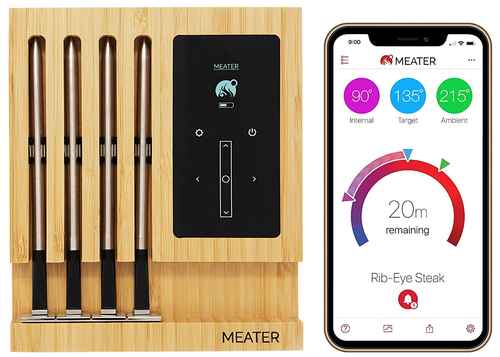
- Internal Temperature: Using a meat thermometer, check the thickest part of the meat (usually the thigh). It should read 165°F (74°C) for safe consumption. Some chefs prefer 170°F for a slightly firmer texture.
- Texture Test: Duck should pull apart easily with a fork. If it resists, it needs more time. Properly cooked duck is tender, moist, and slightly fibrous.
- Juices: The juices should run clear, not pink. A slow cooker preserves juices exceptionally well, so this is a subtle cue.
Ingredients Needed
To achieve a flavorful slow-cooked duck, a balance of aromatics, seasoning, and optional liquids is key. Typical ingredients include:
- Duck: Whole or portions (breasts, legs, thighs)
- Salt and Pepper: Essential for seasoning the skin and meat
- Aromatics: Garlic cloves, onion, shallots, ginger, or lemongrass
- Herbs: Thyme, rosemary, sage, or bay leaves
- Citrus: Orange or lemon slices for a bright contrast to the richness
- Liquids: Chicken or vegetable broth, white wine, or water to keep the meat moist
- Optional Flavors: Soy sauce, hoisin, honey, or five-spice powder for an Asian-inspired twist
The beauty of slow cooking is that the ingredients meld together over hours, creating a depth of flavor that’s nearly impossible to achieve in shorter cooking methods.
How To Cook Duck In Slow Cooker
- Prepare the Duck: Rinse and pat dry. Score the skin lightly to help render fat. Season inside and out with salt, pepper, and herbs.
- Sear (Optional but Recommended): Browning the skin in a hot skillet for a few minutes improves flavor and appearance. Remove excess fat before transferring to the slow cooker.
- Layer Aromatics: Place onion, garlic, or citrus slices at the bottom of the slow cooker. These act as a natural rack and infuse flavor.
- Add Liquids: Pour in broth, wine, or water until it comes halfway up the duck. This keeps the meat moist and allows for a flavorful cooking liquid.
- Cook: Cover and cook on low for 6-7 hours or high for 3-4 hours (for whole ducks). For pieces, reduce accordingly.
- Finishing Touch (Optional): For crispy skin, place the cooked duck under a broiler for 5-10 minutes, or in a hot oven, after slow cooking.
When Things Go Wrong
Even with a slow cooker, things can occasionally go awry:
- Duck is dry: Likely overcooked or insufficient liquid. Ensure it’s submerged at least partially and cook at a lower temperature next time.
- Fat is excessive: Duck naturally produces fat. Skim it off during cooking or refrigerate the juices overnight, then remove the solidified fat.
- Undercooked meat: Check your slow cooker’s actual temperature, as some units run cooler than indicated. Use a thermometer to confirm.
Slow cooking is forgiving, but small adjustments in liquid, timing, or temperature can make a big difference.
Expert Tips
- Render Fat First: Slow-cooked duck often produces liquid fat. Render and reserve it for roasting vegetables-it’s incredibly flavorful.
- Aromatics are Key: Don’t skip onions, citrus, or herbs; they infuse the duck and the cooking liquid, which can become a sauce.
- Use a Rack: If cooking a whole duck, place it on a rack or on aromatics to prevent the bottom from stewing in fat.
- Rest Before Serving: Let the duck rest for 10-15 minutes before slicing to allow juices to redistribute.
Can I Do This Without A Slow Cooker?
Yes. Duck can be cooked using alternatives:
- Oven Braising: Preheat oven to 325°F (163°C), place duck in a covered roasting pan with liquids and aromatics. Cook for 2.5-3 hours.
- Dutch Oven: Sear the duck, then cook on low heat on the stove or in the oven for 2-3 hours, partially covered.
- Pressure Cooker/Instant Pot: Reduces cooking time dramatically, about 45-60 minutes, but requires careful liquid management.
The slow cooker remains the easiest method for unattended cooking, but these alternatives work if you prefer oven-based techniques.
Reheating Leftovers In Slow Cooker
Leftover duck can be reheated gently in a slow cooker without drying it out:
- Slice or shred the duck.
- Add a splash of broth or cooking liquid.
- Reheat on low for 1-2 hours until warmed through.
Avoid high heat, as it can toughen the already cooked meat. Leftovers can also be crisped in the oven for a more appealing texture.
FAQs
What Type Of Duck Is Best For Slow Cooking?
For slow cooking, whole ducks or duck legs work best due to their higher fat content and tougher meat. Breeds like Pekin or Muscovy are commonly used, as they produce tender, flavorful meat when cooked slowly.
Do I Need To Prepare The Duck Before Putting It In The Slow Cooker?
Yes, preparation is important. Remove any excess fat, clean the cavity, and optionally prick the skin to allow fat to render. You can also season the duck with salt, pepper, herbs, or a marinade before cooking.
Should I Brown The Duck Before Slow Cooking?
Browning the duck in a skillet before placing it in the slow cooker is optional but recommended. It helps develop deeper flavor and improves the texture of the skin, although the skin will not become crispy in the slow cooker.
How Long Does It Take To Cook Duck In A Slow Cooker?
Cooking time depends on the size and cut. Whole ducks generally take 4-6 hours on low heat or 2-3 hours on high heat. Duck legs typically require 3-4 hours on low or 1.5-2 hours on high.
What Liquid Should I Use For Cooking Duck In A Slow Cooker?
Use a small amount of liquid such as water, chicken broth, or wine to keep the meat moist. The duck will release fat during cooking, which adds flavor and helps prevent drying.
Can I Add Vegetables Or Aromatics To The Slow Cooker With Duck?
Yes. Aromatics such as onions, garlic, herbs, and vegetables like carrots or celery can be added. They enhance flavor and create a natural base for a sauce or gravy using the rendered duck fat and juices.
How Do I Know When The Duck Is Fully Cooked?
The duck is done when the internal temperature reaches 165°F (74°C) for safety, and the meat is tender and easily pulls away from the bone. Legs may require slightly longer to become fully tender.
Can I Achieve Crispy Skin Using A Slow Cooker?
Slow cookers produce tender, moist meat but do not crisp skin. For crispy skin, you can transfer the cooked duck to an oven or broiler for 10-15 minutes after slow cooking.
Is It Necessary To Remove Excess Fat During Cooking?
Yes. Duck releases a large amount of fat when slow cooked. Skim the fat periodically if you want a less greasy dish or save it for cooking other dishes.
Can I Store Leftovers, And How Should I Reheat Them?
Leftover duck can be stored in an airtight container in the refrigerator for 3-4 days or frozen for 2-3 months. Reheat gently in an oven or on low heat in a slow cooker to retain moisture.