
How To Cook Flank Steak In Slow Cooker [GUIDE]
Flank steak, known for its rich beefy flavor and lean profile, is a favorite among those who enjoy robust, hearty meals. However, it’s also a cut that can be notoriously tough if not cooked properly. Enter the slow cooker-a kitchen hero that transforms even the most challenging cuts into tender, melt-in-your-mouth perfection. Slow cooking flank steak allows the meat to absorb flavors deeply, resulting in a dish that is juicy, succulent, and bursting with taste. This method not only enhances the texture but also frees up time, allowing you to go about your day while the magic happens. Whether you’re preparing a weeknight dinner or a comforting weekend feast, mastering slow-cooked flank steak is an essential skill for any home cook.
Contents
- 1 How Long To Cook Flank Steak In Slow Cooker
- 2 How To Tell If It Is Done
- 3 Ingredients Needed
- 4 How To Cook Flank Steak In Slow Cooker
- 5 When Things Go Wrong
- 6 Expert Tips
- 7 Can I Do This Without A Slow Cooker?
- 8 Reheating Leftovers In Slow Cooker
- 9 FAQs
- 9.1 What Is The Best Way To Prepare Flank Steak For The Slow Cooker?
- 9.2 Should I Sear Flank Steak Before Putting It In The Slow Cooker?
- 9.3 How Much Liquid Should I Add When Cooking Flank Steak In A Slow Cooker?
- 9.4 What Cooking Time Is Ideal For Flank Steak In A Slow Cooker?
- 9.5 Can I Cook Flank Steak In A Slow Cooker Without Vegetables?
- 9.6 How Do I Ensure The Flank Steak Stays Tender In The Slow Cooker?
- 9.7 Can I Use Frozen Flank Steak In The Slow Cooker?
- 9.8 What Are Good Flavor Combinations For Slow-cooked Flank Steak?
- 9.9 Should I Cover The Slow Cooker While Cooking Flank Steak?
- 9.10 How Should I Store Leftover Slow-cooked Flank Steak?
How Long To Cook Flank Steak In Slow Cooker
Cooking time for flank steak in a slow cooker depends largely on the temperature setting and the size of the steak. On low heat, flank steak typically requires 6 to 8 hours, while on high heat, it usually takes 3 to 4 hours. The goal is not just to cook it but to allow the connective tissues to break down slowly, resulting in tender meat. Flank steak is lean, so overcooking can dry it out if the cooking liquid is insufficient, making it crucial to monitor the amount of liquid and cooking time. For larger pieces or if cooking multiple steaks at once, leaning toward the longer end of the spectrum ensures evenly tender results.
How To Tell If It Is Done
Unlike thicker cuts like chuck roast, flank steak doesn’t have much marbling to guide doneness visually. The best indicators of doneness are texture and internal temperature:
- Texture: Properly cooked flank steak should be fork-tender but still hold together when sliced against the grain. If the meat is stringy or excessively tough, it likely needs more cooking time.
- Internal Temperature: While flank steak is traditionally enjoyed medium-rare to medium (135-145°F / 57-63°C), slow-cooked flank steak benefits from a higher internal temperature (around 160-170°F / 71-77°C) due to the collagen breakdown required for tenderness.
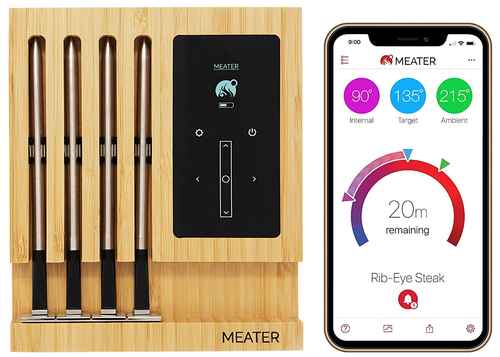
Using a meat thermometer alongside tactile cues ensures perfectly cooked steak every time.
Ingredients Needed
The beauty of slow-cooked flank steak is that it pairs well with simple, wholesome ingredients. Here’s a typical ingredient list:
- Flank steak – 1.5 to 2 pounds, trimmed of excess fat
- Beef broth or stock – 1 to 1.5 cups, for moisture and flavor
- Soy sauce or Worcestershire sauce – 2-3 tablespoons for umami depth
- Onion and garlic – minced or sliced, to infuse aroma
- Vegetables (optional) – carrots, bell peppers, or mushrooms
- Seasonings – salt, pepper, smoked paprika, or herbs like thyme and rosemary
- Thickening agent (optional) – cornstarch or flour for a richer gravy
These ingredients not only enhance flavor but also help maintain moisture, ensuring the steak emerges tender and flavorful.
How To Cook Flank Steak In Slow Cooker
- Prep the Meat: Trim any excess fat and optionally sear the steak in a hot skillet for 2-3 minutes per side. Searing adds a deep, caramelized flavor.
- Prepare the Slow Cooker: Layer aromatics like onions, garlic, and vegetables at the bottom. Pour in the broth and sauces, creating a flavorful liquid base.
- Add the Steak: Place the flank steak over the aromatics, ensuring it’s partially submerged in the liquid.
- Cook Low and Slow: Cover and cook on low for 6-8 hours or high for 3-4 hours. Avoid opening the lid frequently, as this releases heat and prolongs cooking.
- Rest and Slice: Once done, transfer the steak to a cutting board and let it rest for 5-10 minutes. Slice against the grain into thin strips to maximize tenderness.
When Things Go Wrong
Even the best plans can go awry. Here are common issues and fixes:
- Tough Meat: Likely undercooked or sliced with the grain. Return to slow cooker for another hour and slice against the grain.
- Dry Meat: Could be due to insufficient liquid or overcooking at high heat. Always ensure the steak is partially submerged in broth.
- Blah Flavor: Increase aromatics or seasonings, or add a splash of acid (vinegar, lime juice) near the end of cooking to brighten flavors.
Slow cooking is forgiving, but careful attention to liquid levels, heat, and slicing technique makes all the difference.
Expert Tips
- Sear for Flavor: Browning the steak before slow cooking adds caramelized notes that liquid alone cannot achieve.
- Use Aromatics Liberally: Onions, garlic, and herbs infuse slowly, creating a depth of flavor that enhances the natural beefiness.
- Cut Against the Grain: Flank steak fibers are long; slicing against them ensures every bite is tender.
- Layer Liquids and Seasonings: Pour some liquid in the bottom, layer steak, then add more liquid and sauces on top for even seasoning.
- Consider Marinating: A simple marinade with soy sauce, garlic, and a touch of acid can enhance tenderness and flavor before slow cooking.
Can I Do This Without A Slow Cooker?
Yes, though slow cookers excel at tenderness. Alternatives include:
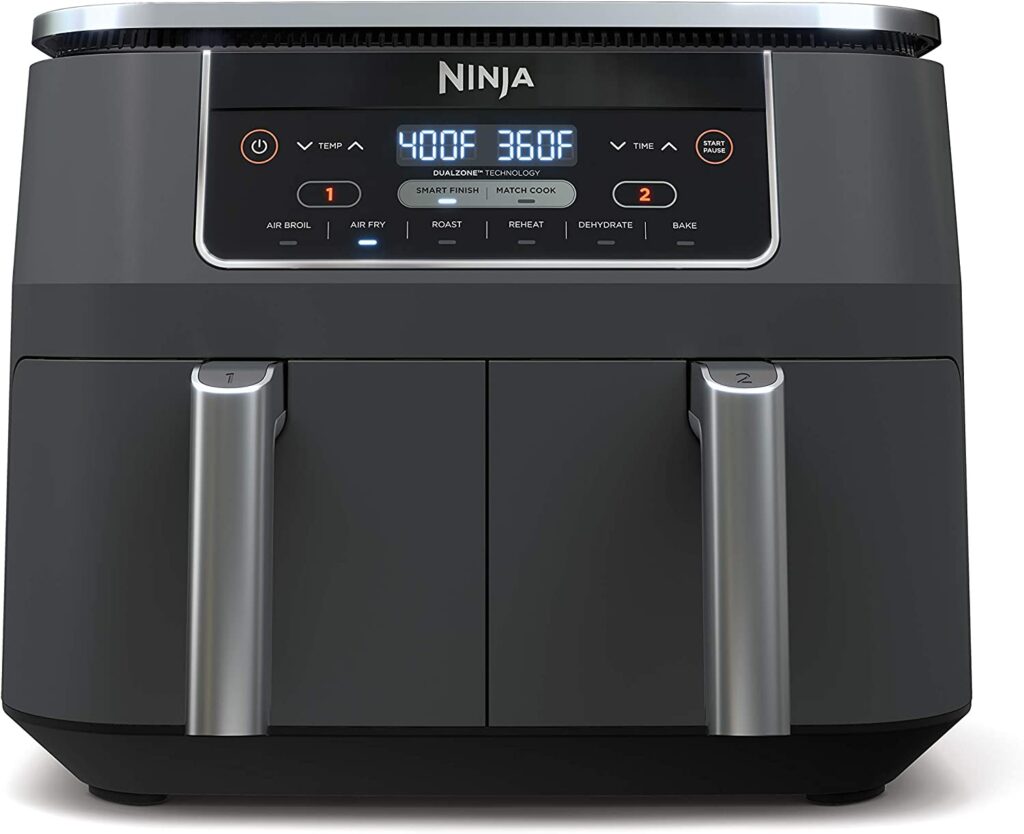
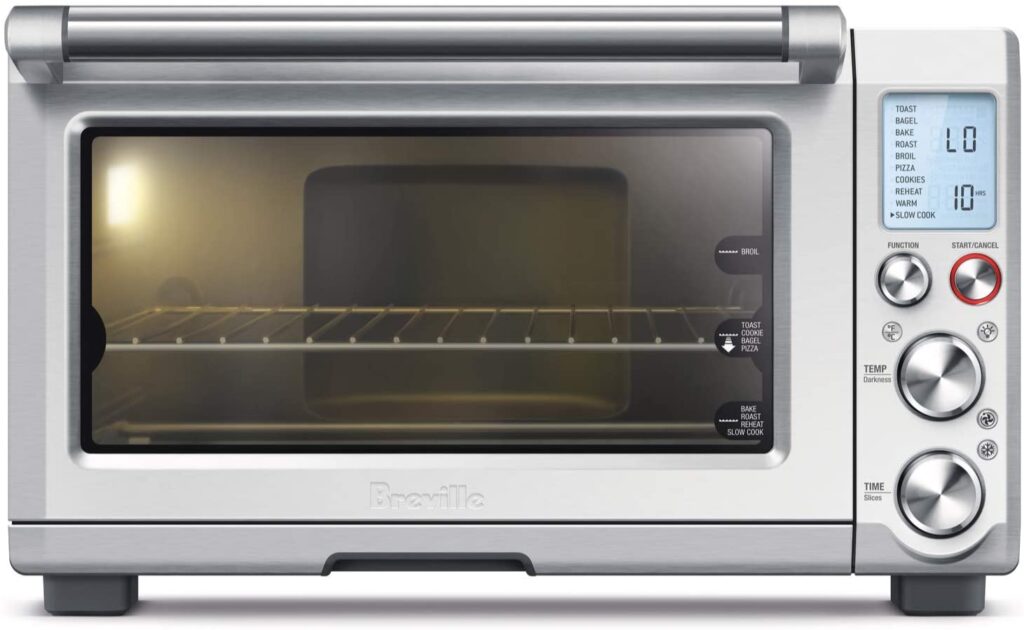
- Oven Braising: Preheat oven to 300°F (150°C), sear steak, then cook in a covered Dutch oven with liquid for 2-3 hours.
- Stovetop Simmering: Cook steak over low heat in a covered pot with liquid for 2-3 hours, checking periodically to avoid drying out.
Both methods mimic the ’low and slow’ approach, but require closer monitoring than a slow cooker.
Reheating Leftovers In Slow Cooker
Reheating leftover flank steak in a slow cooker preserves moisture:
- Add the steak and any sauce or broth back into the slow cooker.
- Heat on low for 1-2 hours, stirring occasionally.
- Avoid high heat, which can overcook and dry the meat.
Alternatively, you can reheat in a covered skillet over low heat with a splash of broth for quicker results.
FAQs
What Is The Best Way To Prepare Flank Steak For The Slow Cooker?
Trim excess fat from the flank steak and consider marinating it for at least 2-4 hours or overnight. Marinating helps tenderize the meat and infuse flavor. Slice against the grain after cooking for optimal tenderness.
Should I Sear Flank Steak Before Putting It In The Slow Cooker?
Searing the flank steak is optional but recommended. Browning the meat on all sides in a hot skillet before slow cooking enhances flavor through the Maillard reaction and adds depth to the dish.
How Much Liquid Should I Add When Cooking Flank Steak In A Slow Cooker?
Add enough liquid to cover the bottom of the slow cooker, usually 1/2 to 1 cup. This can be broth, wine, or a marinade. Too much liquid can dilute the flavor, while too little may cause sticking or uneven cooking.
What Cooking Time Is Ideal For Flank Steak In A Slow Cooker?
Cook on low for 6-8 hours or on high for 3-4 hours. Slow cooking at low temperatures allows the connective tissue to break down, resulting in tender meat without overcooking.
Can I Cook Flank Steak In A Slow Cooker Without Vegetables?
Yes, but adding vegetables such as onions, carrots, or bell peppers can enhance flavor and provide a complete meal. Vegetables also release moisture, which helps keep the steak juicy.
How Do I Ensure The Flank Steak Stays Tender In The Slow Cooker?
Cook at a low temperature and avoid overcooking. Cutting the steak against the grain after cooking also maximizes tenderness. Using a marinade with acidic ingredients like vinegar or citrus can help further break down fibers.
Can I Use Frozen Flank Steak In The Slow Cooker?
It is not recommended to cook frozen flank steak directly in the slow cooker, as it can result in uneven cooking and food safety risks. Thaw the steak in the refrigerator before slow cooking for best results.
What Are Good Flavor Combinations For Slow-cooked Flank Steak?
Classic flavor combinations include garlic, onions, soy sauce, Worcestershire sauce, red wine, and herbs such as rosemary or thyme. For a spicy twist, use chili flakes, smoked paprika, or chipotle peppers.
Should I Cover The Slow Cooker While Cooking Flank Steak?
Yes, keep the slow cooker covered to maintain a consistent temperature and moisture level. Lifting the lid frequently can significantly increase cooking time and dry out the meat.
How Should I Store Leftover Slow-cooked Flank Steak?
Allow the steak to cool slightly, then store in an airtight container in the refrigerator for up to 3-4 days. You can also freeze cooked flank steak for up to 2-3 months, ideally sliced or shredded for convenience.