
How To Cook Frozen Beef In Slow Cooker [GUIDE]
Cooking beef from frozen can feel intimidating, but with the right technique, it’s entirely safe and surprisingly convenient. The slow cooker, or crockpot, is a household hero for transforming tough cuts of beef into tender, flavorful meals with minimal effort. While many people worry about food safety or uneven cooking when starting with frozen meat, modern slow cookers, when used correctly, allow the beef to cook evenly, infuse with seasonings, and yield a rich, hearty dish without requiring constant attention. In this guide, we’ll explore everything you need to know about cooking frozen beef in a slow cooker, from timing to troubleshooting, expert tips, and alternative methods.
Contents
- 1 How Long To Cook Frozen Beef In Slow Cooker
- 2 How To Tell If It Is Done
- 3 Ingredients Needed
- 4 How To Cook Frozen Beef In Slow Cooker
- 5 When Things Go Wrong
- 6 Expert Tips
- 7 Can I Do This Without A Slow Cooker?
- 8 Reheating Leftovers In Slow Cooker
- 9 FAQs
- 9.1 Can You Cook Frozen Beef Directly In A Slow Cooker?
- 9.2 How Much Longer Does Frozen Beef Take To Cook In A Slow Cooker?
- 9.3 Do I Need To Thaw Beef Before Slow Cooking?
- 9.4 What Safety Precautions Should I Take When Cooking Frozen Beef In A Slow Cooker?
- 9.5 Should I Add Extra Liquid When Cooking Frozen Beef In A Slow Cooker?
- 9.6 Can I Use Frozen Beef For All Slow Cooker Recipes?
- 9.7 What Cuts Of Beef Are Best For Slow Cooking From Frozen?
- 9.8 Can I Season Frozen Beef Before Cooking In A Slow Cooker?
- 9.9 How Do I Know When Frozen Beef Is Fully Cooked In A Slow Cooker?
- 9.10 Can Cooking Frozen Beef In A Slow Cooker Affect Its Texture?
How Long To Cook Frozen Beef In Slow Cooker
Cooking times for frozen beef in a slow cooker depend primarily on the cut, size, and whether it’s whole or in chunks. As a general rule:
- Beef Stew Meat or Cubes: 6-8 hours on low or 4-6 hours on high.
- Roasts (chuck, rump, or brisket): 8-10 hours on low or 5-6 hours on high.
- Ground beef (formed into patties or meatballs): 6-8 hours on low or 3-4 hours on high.
It’s essential to note that starting with frozen meat adds roughly 30-60 minutes to the cooking time compared to thawed meat. Slow cookers vary in heat distribution, so these times are approximate. Patience is key; slow cooking is all about low, steady heat that tenderizes the beef and develops deep flavors over time.
How To Tell If It Is Done
Ensuring frozen beef is fully cooked is crucial for both flavor and food safety. Here are reliable methods:
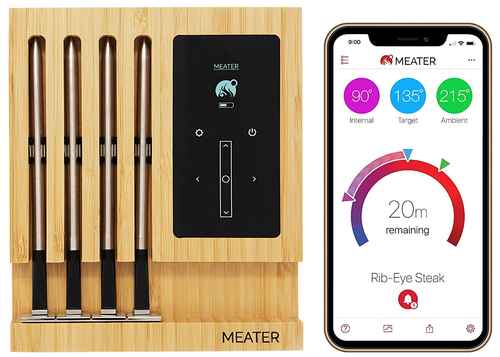
- Use a Meat Thermometer: Beef should reach an internal temperature of at least 145°F (63°C) for steaks/roasts and 160°F (71°C) for ground beef. Slow cooking often surpasses these temperatures, but checking ensures safety.
- Texture Check: Properly cooked slow-cooked beef should be fork-tender and easily shredded. If it still feels tough, it needs more time.
- Visual Inspection: The beef should no longer be pink inside. Juices running clear is another indicator of doneness.
- Taste Test: If everything else seems right, a small taste confirms tenderness and seasoning balance.
Ingredients Needed
A slow cooker beef dish can be simple or complex depending on your preference. Here’s a basic list:
- Frozen beef (steaks, stew meat, or roasts)
- Aromatics: onions, garlic, leeks, or shallots
- Vegetables: carrots, potatoes, celery, bell peppers
- Liquid: beef broth, water, wine, or a combination
- Seasonings: salt, pepper, paprika, thyme, rosemary, or bay leaves
- Optional extras: Worcestershire sauce, tomato paste, soy sauce, mushrooms, or canned tomatoes
These ingredients can be adjusted depending on the recipe you’re aiming for, whether it’s a classic beef stew, pot roast, or Asian-inspired braise.
How To Cook Frozen Beef In Slow Cooker
Here’s a step-by-step guide:
- Prepare the Slow Cooker: Lightly grease or spray the insert to prevent sticking.
- Layer Ingredients: Place harder vegetables like carrots and potatoes on the bottom, as they take longer to cook.
- Add Frozen Beef: Place the frozen beef directly on top of the vegetables. There’s no need to thaw.
- Add Liquid & Seasonings: Pour your chosen broth or sauce over the beef, then sprinkle seasonings evenly.
- Cook on Low or High: Choose low for 8-10 hours or high for 4-6 hours (adjusting for the cut as noted earlier).
- Check Halfway: Stir if possible and check liquid levels, adding more broth if necessary.
Slow cooking frozen beef requires patience but results in a deep, savory flavor that’s hard to beat.
When Things Go Wrong
Even slow cookers can present challenges:
- Beef Still Tough: Likely undercooked; continue cooking on low and check every 30-60 minutes.
- Liquid Too Watery: Remove the lid for the last 30-60 minutes to reduce excess liquid.
- Burning on the Bottom: This may occur if the slow cooker runs hot or is too small. Stir gently or transfer to a larger pot.
- Overcooked or Dry: Usually happens with lean cuts; adding more liquid or reducing cooking time can prevent this next time.
Understanding these pitfalls ensures a better outcome on subsequent attempts.
Expert Tips
- Sear for Flavor (Optional): Quickly browning beef before slow cooking enhances flavor, even if frozen, though optional.
- Don’t Overcrowd: Proper heat circulation is essential for even cooking.
- Layer Smartly: Denser vegetables at the bottom, lighter ones on top, helps uniform cooking.
- Avoid Lid Lifting: Every time you lift the lid, you lose heat and increase cooking time.
- Use the Right Cut: Tougher, fattier cuts (chuck, brisket, shank) respond best to long, slow cooking.
Can I Do This Without A Slow Cooker?
Absolutely. Alternatives include:
- Oven Braising: Place frozen beef in a covered Dutch oven with liquid and cook at 300°F (150°C) for 2-3 hours (depending on size).
- Instant Pot / Pressure Cooker: Safe for frozen beef; reduces cooking time significantly. Use the meat/stew setting and add at least 1 cup of liquid.
- Stovetop Simmering: Place beef and liquid in a heavy pot, bring to a boil, then reduce to a gentle simmer for several hours.
Each method requires monitoring to avoid overcooking or drying out the beef.
Reheating Leftovers In Slow Cooker
Reheating cooked beef in a slow cooker preserves texture and moisture better than microwaving. Steps:
- Place leftovers in the slow cooker.
- Add a splash of broth or water to prevent drying.
- Heat on low for 1-2 hours or until the beef reaches at least 165°F (74°C).
- Stir occasionally to ensure even heating.
This method is ideal for meal prepping or extended gatherings.
FAQs
Can You Cook Frozen Beef Directly In A Slow Cooker?
Yes, you can cook frozen beef in a slow cooker, but it is important to ensure the beef reaches a safe internal temperature. Cooking from frozen increases cooking time and may prevent the meat from entering the ’danger zone’ slowly, so use caution and consider adding extra liquid to help distribute heat evenly.
How Much Longer Does Frozen Beef Take To Cook In A Slow Cooker?
Frozen beef generally takes 1.5 to 2 times longer than thawed beef. For example, if a recipe calls for 6-8 hours on low for thawed beef, frozen beef may require 9-12 hours on low or 5-7 hours on high.
Do I Need To Thaw Beef Before Slow Cooking?
Thawing is recommended for even cooking, but it is not strictly necessary. Thawed beef cooks faster and more evenly, reducing the risk of bacterial growth and ensuring that vegetables and other ingredients cook properly.
What Safety Precautions Should I Take When Cooking Frozen Beef In A Slow Cooker?
Ensure the slow cooker reaches at least 165°F (74°C) in the center of the meat. Avoid leaving beef in the slow cooker for extended periods after cooking, and never partially cook frozen beef and finish later. Using a food thermometer is highly recommended.
Should I Add Extra Liquid When Cooking Frozen Beef In A Slow Cooker?
Yes, frozen beef releases less liquid as it cooks compared to thawed beef, so adding extra broth, water, or sauce helps maintain moisture, prevents burning, and ensures even cooking.
Can I Use Frozen Beef For All Slow Cooker Recipes?
Most slow cooker recipes can use frozen beef, but recipes with quick-cooking ingredients like pasta, milk-based sauces, or delicate vegetables may require adjustment. Vegetables should be added later to avoid overcooking.
What Cuts Of Beef Are Best For Slow Cooking From Frozen?
Tougher cuts such as chuck roast, brisket, and short ribs work best because they benefit from long, slow cooking, which tenderizes the meat. Leaner cuts may dry out if cooked from frozen.
Can I Season Frozen Beef Before Cooking In A Slow Cooker?
Yes, seasoning can be applied directly to frozen beef, though it may not adhere as well. You can also add herbs, spices, and sauces during cooking to infuse flavor.
How Do I Know When Frozen Beef Is Fully Cooked In A Slow Cooker?
Use a food thermometer to check the internal temperature. Beef should reach at least 145°F (63°C) for medium-rare, but for slow-cooked dishes, aim for 190-200°F (88-93°C) to ensure it is tender and fully cooked.
Can Cooking Frozen Beef In A Slow Cooker Affect Its Texture?
Yes, frozen beef may release more water during cooking, potentially diluting flavors. Long, slow cooking usually produces tender results, but careful attention to timing and liquid levels is important to avoid a mushy or dry texture.