
How To Cook Frozen Ham In Slow Cooker [GUIDE]
Cooking a ham can feel like a daunting task, especially when it comes straight from the freezer. Yet, the slow cooker-often underappreciated-offers an unparalleled convenience, transforming a frozen ham into a tender, juicy, flavorful centerpiece without hours of supervision. Using a slow cooker for frozen ham doesn’t just save time and energy; it also allows the flavors of glazes, herbs, and spices to deeply infuse the meat as it cooks gently over hours. While some may hesitate to cook meat from frozen, modern slow cookers are perfectly capable of handling it safely, provided you follow proper guidelines. This guide will walk you through every step, from timing to tips for the perfect ham, ensuring you can serve a crowd-worthy dish with minimal stress.
Contents
- 1 How Long To Cook Frozen Ham In Slow Cooker
- 2 How To Tell If It Is Done
- 3 Ingredients Needed
- 4 How To Cook Frozen Ham In Slow Cooker
- 5 When Things Go Wrong
- 6 Expert Tips
- 7 Can I Do This Without A Slow Cooker?
- 8 Reheating Leftovers In Slow Cooker
- 9 FAQs
- 9.1 Can I Cook A Frozen Ham Directly In The Slow Cooker?
- 9.2 How Long Does It Take To Cook Frozen Ham In A Slow Cooker?
- 9.3 Do I Need To Thaw The Ham Before Cooking It In A Slow Cooker?
- 9.4 What Liquid Should I Use When Cooking Frozen Ham In A Slow Cooker?
- 9.5 Can I Add Vegetables When Cooking Frozen Ham In A Slow Cooker?
- 9.6 Should I Cover The Ham While Cooking In A Slow Cooker?
- 9.7 How Can I Make A Glaze For Slow-cooked Ham?
- 9.8 Is It Safe To Cook Frozen Ham In A Slow Cooker?
- 9.9 Can I Slice The Ham Before Slow Cooking, Or Should I Leave It Whole?
- 9.10 How Do I Store Leftover Ham After Slow Cooking?
How Long To Cook Frozen Ham In Slow Cooker
Cooking frozen ham in a slow cooker requires patience, as rushing the process can result in uneven heating. The general rule of thumb is:
- Low heat setting: 6-8 hours
- High heat setting: 4-5 hours
These times apply for hams in the 3-6 pound range. Larger hams will naturally need more time. The key is low and slow cooking, allowing the heat to penetrate the frozen core without drying out the outer layers. Covering the ham tightly and using liquid in the slow cooker helps create a moist, tender texture while ensuring the ham cooks safely.
How To Tell If It Is Done
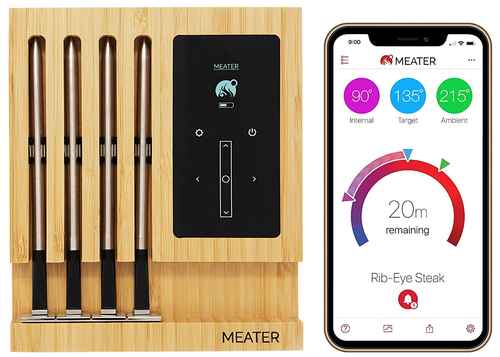
Determining doneness in ham is about temperature rather than appearance alone. Use a digital meat thermometer inserted into the thickest part of the ham (avoiding the bone if present). A safe internal temperature for pre-cooked ham is 140°F (60°C), while for uncooked or partially cooked hams it is 145°F (63°C) with a 3-minute rest.
Indicators beyond temperature include:
- Juices: Should run clear, not pink or bloody.
- Texture: Meat should feel firm yet tender, easily slicing without being mushy.
- Aroma: Fully cooked ham develops a sweet, savory aroma intensified by glazes or seasonings.
Patience is crucial; trying to cut or serve too early can ruin the texture and flavor.
Ingredients Needed
A flavorful slow-cooked ham does not require a long list of ingredients. Here’s a typical list:
- Frozen ham (bone-in or boneless, 3-6 pounds)
- 1-2 cups of liquid (water, apple juice, pineapple juice, or broth)
- 1/2 cup brown sugar or honey (for glaze)
- 2-3 tablespoons Dijon or yellow mustard
- 1 teaspoon ground cloves or cinnamon (optional, for aroma)
- 1-2 tablespoons apple cider vinegar or orange juice (for acidity)
- Optional: fresh herbs like rosemary, thyme, or bay leaves
The liquid keeps the ham moist, while the sweet and acidic elements balance the saltiness of the meat.
How To Cook Frozen Ham In Slow Cooker
- Prepare the slow cooker: Lightly grease the interior or line with a slow cooker liner for easy cleanup.
- Place the frozen ham: Center the frozen ham in the slow cooker, fat side up if applicable.
- Add liquid: Pour your chosen liquid around the ham, ensuring it covers at least the bottom 1-2 inches of the cooker.
- Mix glaze ingredients: In a small bowl, combine brown sugar, mustard, and optional spices. Brush or spoon over the ham.
- Cover and cook: Secure the lid tightly. Set the cooker to low for 6-8 hours or high for 4-5 hours. Resist the temptation to lift the lid frequently; each peek releases valuable heat.
- Check temperature: In the final hour, monitor the internal temperature to ensure safe doneness.
- Optional finishing touch: For a caramelized glaze, transfer the cooked ham to an oven at 375°F (190°C) for 10-15 minutes.
When Things Go Wrong
Even with slow cookers, issues may arise:
- Ham is dry: Likely overcooked or not enough liquid. Remedy by adding stock or juice and covering tightly for an additional 30-60 minutes.
- Uneven cooking: Ensure ham fits snugly without excessive gaps; if too large, cut into smaller sections.
- Glaze too runny: Mix glaze with a small amount of cornstarch slurry and simmer in a separate pan to thicken before brushing.
Proactive monitoring and small adjustments usually save the dish.
Expert Tips
- Do not cook frozen ham with raw meat: Slow cookers take time to reach safe cooking temperatures. Cooking two frozen meats together can be risky.
- Layer flavors: Insert cloves or a sliced apple under the ham to create subtle aromatic notes.
- Use a liner: Saves cleanup and prevents the glaze from sticking to the pot.
- Don’t rush: Resist using high heat unless necessary; slow cooking maximizes tenderness and flavor.
- Let it rest: After removing from the cooker, tent the ham with foil for 10-15 minutes to allow juices to redistribute.
Can I Do This Without A Slow Cooker?
Yes. A frozen ham can also be cooked in the oven:
- Preheat oven to 325°F (163°C).
- Place ham in a roasting pan with 1-2 cups of liquid.
- Cover tightly with foil.
- Bake low and slow: For a 3-6 pound ham, plan 18-24 minutes per pound.
- Monitor temperature to reach the same internal safe standards as above.
While the oven method works, it requires more attention and can dry the edges without careful glazing and basting.
Reheating Leftovers In Slow Cooker
Leftover ham retains its moisture and flavor beautifully when reheated slowly:
- Cut ham into slices or chunks for even heating.
- Add a small amount of liquid such as water, broth, or juice to prevent drying.
- Heat on low for 2-3 hours until warmed through.
- Optional: Brush with a little glaze for renewed flavor and sheen.
This method avoids the microwave, which can make ham rubbery, and keeps it moist for serving in meals or sandwiches.
FAQs
Can I Cook A Frozen Ham Directly In The Slow Cooker?
Yes, you can cook a frozen ham directly in the slow cooker, but it requires longer cooking time. Make sure the ham is completely submerged in liquid or covered well to ensure even heating. Using a meat thermometer is crucial to confirm it reaches a safe internal temperature of 140°F for pre-cooked hams or 145°F for raw hams.
How Long Does It Take To Cook Frozen Ham In A Slow Cooker?
Cooking time depends on the size of the ham and whether it is pre-cooked or raw. Generally, for a pre-cooked frozen ham, allow 6-8 hours on low heat. For a raw frozen ham, cooking can take 8-10 hours on low. High heat can reduce the cooking time by about 25-30%, but slow and low is recommended for best texture.
Do I Need To Thaw The Ham Before Cooking It In A Slow Cooker?
Thawing is recommended but not strictly necessary. Cooking from frozen is safe if you allow extra time. Thawing in the refrigerator beforehand ensures more even cooking and reduces the risk of the exterior overcooking while the interior remains cold.
What Liquid Should I Use When Cooking Frozen Ham In A Slow Cooker?
Use liquids such as water, broth, apple juice, or a mixture of these. Adding a glaze or seasoning can also enhance flavor. Typically, 1-2 cups of liquid is sufficient to prevent drying, but avoid fully submerging the ham as this may wash away seasonings.
Can I Add Vegetables When Cooking Frozen Ham In A Slow Cooker?
Yes, vegetables like potatoes, carrots, and onions can be added. Place them at the bottom of the slow cooker to allow the ham to sit on top. Keep in mind that vegetables may overcook if the ham requires very long cooking time, so consider adding more delicate vegetables later in the process.
Should I Cover The Ham While Cooking In A Slow Cooker?
Yes, always cover the slow cooker with its lid to maintain moisture and heat. This prevents the ham from drying out and ensures even cooking. Avoid opening the lid frequently, as this can significantly extend cooking time.
How Can I Make A Glaze For Slow-cooked Ham?
A simple glaze can be made with ingredients like brown sugar, honey, maple syrup, mustard, pineapple juice, or orange juice. Brush the glaze over the ham during the last 30-60 minutes of cooking to allow it to caramelize without burning.
Is It Safe To Cook Frozen Ham In A Slow Cooker?
Yes, it is safe if you follow proper cooking times and temperatures. Ensure the internal temperature reaches at least 140°F for pre-cooked ham or 145°F for raw ham. Using a food thermometer is recommended to verify safety.
Can I Slice The Ham Before Slow Cooking, Or Should I Leave It Whole?
It is best to leave the ham whole when cooking from frozen. Slicing before cooking can lead to uneven heating and a higher risk of the inner parts remaining undercooked. After cooking, the ham can be sliced easily for serving.
How Do I Store Leftover Ham After Slow Cooking?
Once cooked, allow the ham to cool slightly, then wrap tightly in foil or place in an airtight container. Store in the refrigerator for up to 4-5 days or freeze for 1-2 months. Reheat gently to avoid drying out the meat.