
How To Cook Frozen Roast In Slow Cooker [GUIDE]
Cooking a roast can feel like a culinary rite of passage-a centerpiece for a family dinner, a hearty meal to celebrate special occasions, or simply a comforting dish to savor after a long day. Traditionally, roasting meat required planning ahead: thawing, seasoning, searing, and monitoring the oven with precision. But what if you don’t have the time or forgot to thaw your meat? Enter the slow cooker. A versatile, set-it-and-forget-it kitchen tool, the slow cooker allows even frozen roasts to transform into tender, flavorful meals with minimal effort. While the idea of cooking meat directly from frozen may make some hesitant, understanding the proper timing, temperature, and techniques can result in a perfectly cooked roast that rivals those prepared from fresh or thawed cuts.
Contents
- 1 How Long To Cook Frozen Roast In Slow Cooker
- 2 How To Tell If It Is Done
- 3 Ingredients Needed
- 4 How To Cook Frozen Roast In Slow Cooker
- 5 When Things Go Wrong
- 6 Expert Tips
- 7 Can I Do This Without A Slow Cooker?
- 8 Reheating Leftovers In Slow Cooker
- 9 FAQs
- 9.1 Can I Cook A Frozen Roast Directly In A Slow Cooker?
- 9.2 How Long Does It Take To Cook A Frozen Roast In A Slow Cooker?
- 9.3 Do I Need To Thaw The Roast Before Putting It In The Slow Cooker?
- 9.4 What Liquids Are Recommended For Cooking A Frozen Roast In A Slow Cooker?
- 9.5 Can I Add Vegetables When Cooking A Frozen Roast?
- 9.6 Do I Need To Sear A Frozen Roast Before Using A Slow Cooker?
- 9.7 What Is The Best Slow Cooker Setting For A Frozen Roast?
- 9.8 How Do I Know When The Frozen Roast Is Fully Cooked?
- 9.9 Can I Cook A Frozen Roast In A Slow Cooker Overnight Safely?
- 9.10 What Tips Help Make A Frozen Roast Tender And Flavorful In A Slow Cooker?
How Long To Cook Frozen Roast In Slow Cooker
Cooking a frozen roast in a slow cooker requires a delicate balance of time and temperature. Unlike thawed meat, frozen roasts need more time for the heat to penetrate to the center. As a general rule, a 3- to 5-pound frozen roast takes roughly 8-10 hours on low heat or 4-6 hours on high heat. Slow cookers vary in wattage and heating efficiency, so consider these times approximate.
It’s crucial not to rush the process. Cooking a frozen roast on high heat for too short a period can result in uneven cooking, where the outer layers are overdone while the center remains undercooked. Slow, steady heat ensures even thawing, tenderness, and the development of deep, rich flavors as the meat’s natural juices mingle with any seasonings or vegetables in the pot.
How To Tell If It Is Done
Determining doneness in a frozen roast isn’t just about visual cues; safety and texture matter equally. A meat thermometer is essential. Insert it into the thickest part of the roast, avoiding bones, which can give false readings. Beef roasts should reach at least 145°F (63°C) for medium-rare and 160-170°F (71-77°C) for medium-well to well-done, while pork should hit 145°F (63°C) and rest for three minutes.
Other indicators include the meat’s texture: it should pull apart easily with a fork, and juices should run clear rather than pink. When cooking from frozen, it may initially release excess water, which can give the appearance of overcooking; don’t be alarmed-this typically reduces during the slow cooking process.
Ingredients Needed
To prepare a flavorful frozen roast in a slow cooker, consider the following basic ingredients:
- Frozen roast (beef chuck, pork shoulder, or similar cuts, 3-5 pounds)
- Salt and pepper for seasoning
- Vegetables: carrots, onions, potatoes, and celery are classics
- Broth or stock: beef, chicken, or vegetable to enhance moisture
- Herbs: rosemary, thyme, and bay leaves for aroma and depth
- Optional: garlic, Worcestershire sauce, tomato paste, or red wine for added richness
These ingredients not only enhance the flavor but also create a savory liquid base that helps tenderize the roast as it cooks.
How To Cook Frozen Roast In Slow Cooker
- Layer the Ingredients: Place root vegetables like carrots, potatoes, and onions at the bottom of the slow cooker. This creates a stable bed and prevents the meat from sitting in water.
- Season the Roast: Lightly season the frozen roast with salt, pepper, and any dried herbs you prefer. You can also rub it with garlic or a marinade if desired.
- Add Liquids: Pour 1-2 cups of broth or stock over the vegetables and roast. This ensures even cooking and prevents drying.
- Cook Low and Slow: Cover and set the slow cooker to low for 8-10 hours or high for 4-6 hours. Avoid lifting the lid frequently, as this releases heat and slows cooking.
- Check for Doneness: Use a meat thermometer and visual inspection around the minimum cooking time to ensure the roast is properly cooked.
- Rest the Meat: After cooking, let the roast rest for 10-15 minutes before slicing. This allows juices to redistribute, keeping the meat moist.
When Things Go Wrong
Even with careful preparation, a slow cooker roast can encounter problems:
- Dry meat: Usually caused by overcooking or using lean cuts without sufficient liquid. Mitigate by adding broth or covering the meat with vegetables.
- Undercooked center: This can happen if the roast is exceptionally thick or if the slow cooker heats unevenly. Extend cooking time or cut into the thickest portion to check temperature.
- Watery flavor: Excess liquid from frozen meat can dilute flavors. Thicken the cooking liquid at the end with cornstarch or reduce by cooking uncovered for the final 30-60 minutes.
Expert Tips
- Brown for flavor: Optional but recommended-sear the roast in a hot pan for 3-5 minutes per side before slow cooking. This develops Maillard reactions, adding depth.
- Layer wisely: Denser vegetables like potatoes and carrots go under the roast; softer veggies like zucchini or mushrooms should be added later to prevent mushiness.
- Season in stages: Salt early but adjust herbs and spices toward the end to prevent overpowering the roast.
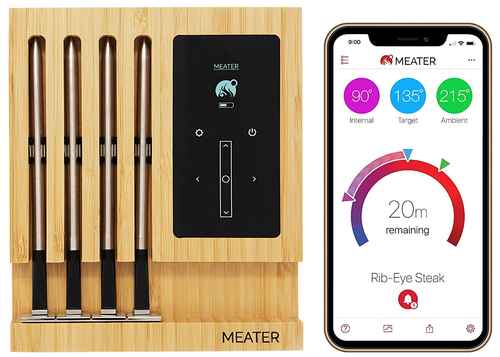
- Use a probe thermometer: For consistent results, a probe thermometer lets you monitor the internal temperature without removing the lid.
Can I Do This Without A Slow Cooker?
Yes, but with adjustments. A Dutch oven or oven-roasting method works well:
- Preheat the oven to 325°F (163°C).
- Place frozen roast in a covered oven-safe pot with broth and vegetables.
- Cook 1.5 times longer than a thawed roast, typically 3-4 hours depending on size.
- Use a thermometer to check doneness and baste occasionally to retain moisture.
While the oven offers similar results, the slow cooker excels in convenience, energy efficiency, and consistent low heat.
Reheating Leftovers In Slow Cooker
Reheating a cooked roast in a slow cooker preserves moisture better than microwaving.
- Slice or shred the leftover roast.
- Place it in the slow cooker with a splash of broth or gravy.
- Set on low for 1-2 hours or high for 30-60 minutes until heated through.
This method prevents drying, allowing flavors to meld and making even second-day roast taste freshly prepared.
FAQs
Can I Cook A Frozen Roast Directly In A Slow Cooker?
Yes, you can cook a frozen roast directly in a slow cooker, but it is important to ensure that it reaches a safe internal temperature of at least 145°F (63°C) for beef or 165°F (74°C) for poultry. Cooking from frozen will take longer than thawed meat, and it is recommended to add extra liquid to prevent drying.
How Long Does It Take To Cook A Frozen Roast In A Slow Cooker?
Cooking times vary depending on the size of the roast and the slow cooker setting. Generally, a 3-4 pound frozen beef roast takes 8-10 hours on low or 6-8 hours on high. Poultry roasts may take slightly less time.
Do I Need To Thaw The Roast Before Putting It In The Slow Cooker?
Thawing is not strictly necessary, but it is recommended if possible. Thawed roasts cook more evenly and reduce the risk of bacteria growth. If cooking from frozen, ensure you extend the cooking time and check the internal temperature.
What Liquids Are Recommended For Cooking A Frozen Roast In A Slow Cooker?
You can use beef or chicken broth, water, wine, or a combination of these. Adding at least 1 cup of liquid helps generate steam, maintain moisture, and ensure the roast cooks evenly. Acidic liquids like tomato sauce or vinegar can help tenderize tougher cuts.
Can I Add Vegetables When Cooking A Frozen Roast?
Yes, but consider that root vegetables like potatoes and carrots take longer to cook. Place them at the bottom of the slow cooker to ensure they cook properly, and cut them into smaller pieces if necessary to match the roast’s cooking time.
Do I Need To Sear A Frozen Roast Before Using A Slow Cooker?
Searing is not required when cooking from frozen, but searing a thawed roast can enhance flavor and texture. Since a frozen roast cannot be seared directly, you can sear it after partially thawing or skip this step and rely on slow cooking to develop flavor.
What Is The Best Slow Cooker Setting For A Frozen Roast?
Low heat is generally recommended for frozen roasts because it allows the meat to cook evenly without drying out. High heat can be used if you need to reduce cooking time, but you must ensure the roast reaches a safe internal temperature.
How Do I Know When The Frozen Roast Is Fully Cooked?
Use a meat thermometer to check the internal temperature. Beef, pork, and lamb should reach at least 145°F (63°C), while poultry should reach 165°F (74°C). The meat should also be tender and easy to pull apart.
Can I Cook A Frozen Roast In A Slow Cooker Overnight Safely?
Yes, but ensure your slow cooker heats quickly enough to bring the meat to a safe temperature within 2-3 hours to prevent bacteria growth. Modern slow cookers with a good low setting can safely cook overnight, but avoid using extremely large frozen roasts that take too long to heat through.
What Tips Help Make A Frozen Roast Tender And Flavorful In A Slow Cooker?
Add enough liquid, season generously, include aromatics like onions and garlic, and cook on low heat for an extended period. You can also add vegetables and herbs during cooking to infuse flavor. Avoid opening the lid frequently, as this releases heat and prolongs cooking time.