
How To Cook Ham In Slow Cooker [GUIDE]
Cooking ham in a slow cooker is a culinary approach that combines convenience with deeply satisfying flavor. Unlike traditional baking or roasting, slow cooking allows the meat to absorb seasonings gradually, resulting in a tender, juicy ham that practically melts in your mouth. This method is particularly useful for busy households, as it requires minimal active supervision while delivering maximum taste. Slow cooking also ensures that the natural sugars in the ham caramelize slightly, enhancing its savory-sweet profile without burning the exterior. Whether you’re preparing a classic holiday meal, a Sunday dinner, or just a comforting midweek feast, the slow cooker transforms even a simple ham into a gourmet centerpiece.
Contents
- 1 How Long To Cook Ham In Slow Cooker
- 2 How To Tell If It Is Done
- 3 Ingredients Needed
- 4 How To Cook Ham In Slow Cooker
- 5 When Things Go Wrong
- 6 Expert Tips
- 7 Can I Do This Without A Slow Cooker?
- 8 Reheating Leftovers In Slow Cooker
- 9 FAQs
- 9.1 How Long Does It Take To Cook A Ham In A Slow Cooker?
- 9.2 Should I Cook A Ham In The Slow Cooker On Low Or High?
- 9.3 Do I Need To Add Liquid When Cooking Ham In A Slow Cooker?
- 9.4 Should I Cover The Ham With Foil Before Placing It In The Slow Cooker?
- 9.5 Can I Cook A Frozen Ham In A Slow Cooker?
- 9.6 How Can I Flavor My Ham When Cooking It In A Slow Cooker?
- 9.7 What Is The Best Size Ham For Slow Cooking?
- 9.8 Can I Cook A Precooked Ham In A Slow Cooker?
- 9.9 What Is The Internal Temperature I Should Cook My Ham To?
- 9.10 Can I Cook Vegetables With My Ham In The Slow Cooker?
How Long To Cook Ham In Slow Cooker
The cooking time for ham in a slow cooker depends primarily on the size and type of ham. Typically, a fully cooked ham will require less time than a raw or partially cooked ham.
- Fully cooked ham: Cook on low for 4-6 hours or on high for 2-3 hours, depending on the size.
- Uncooked or partially cooked ham: Cook on low for 8-10 hours or on high for 4-5 hours.
It’s essential to remember that slow cookers vary in temperature, so these times are approximate. For best results, always check the internal temperature (see the section below) rather than relying solely on timing.
How To Tell If It Is Done
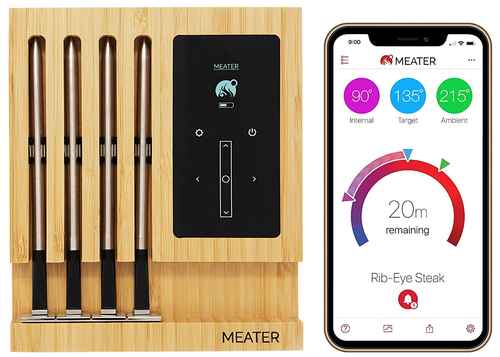
Determining doneness is crucial to avoid either undercooking or overcooking. A slow-cooked ham should reach an internal temperature of 140°F (60°C) for pre-cooked hams and 145°F (63°C) for fresh or partially cooked hams, as measured with a food thermometer.
Other signs include:
- Texture: The meat should be tender but not falling apart completely unless it’s a fully cooked ham meant to shred.
- Juiciness: A properly cooked ham will release clear, slightly thickened juices. Any pinkish liquid does not indicate undercooking in cured hams, as some ham naturally retains a pink hue.
- Aroma: Slow-cooked ham emits a sweet, smoky, and savory scent that intensifies as it cooks.
Ingredients Needed
A basic slow-cooker ham requires minimal ingredients, but the right additions can elevate its flavor dramatically. Essential ingredients include:
- Ham: Fully cooked or partially cooked, bone-in or boneless depending on preference.
- Liquid: Water, apple juice, pineapple juice, or a mixture of these to keep the ham moist.
- Sweeteners (optional): Brown sugar, honey, or maple syrup for glazing.
- Aromatics and spices: Garlic, mustard, cloves, cinnamon, or allspice to add depth.
- Fruits (optional): Pineapple slices, orange segments, or apples for a complementary sweetness.
You can customize the flavor profile to suit your taste, from classic smoky to sweet-and-fruity.
How To Cook Ham In Slow Cooker
- Prepare the Ham: Remove any packaging and, if necessary, score the surface in a diamond pattern. This helps glazes and seasonings penetrate the meat.
- Add Liquid: Place the ham in the slow cooker with your chosen liquid. The liquid should cover the bottom but not submerge the ham entirely.
- Add Flavorings: Sprinkle your sweeteners and spices over the ham, tucking aromatics around the meat for even flavor distribution.
- Cook Low and Slow: Cover the slow cooker and cook according to your ham type and weight (see ’How Long To Cook’). Avoid removing the lid frequently, as this releases heat and extends cooking time.
- Optional Glazing: During the last 30-60 minutes of cooking, brush additional glaze over the ham to form a caramelized exterior.
When Things Go Wrong
Even with slow cooking, issues can arise:
- Dry Ham: Usually caused by insufficient liquid or overcooking. Remedy by adding more juice or broth and covering the ham with foil for the final stages.
- Burnt or Overly Sweet Glaze: If the glaze burns, remove it carefully and baste with plain liquid for the remaining time.
- Undercooked Ham: Use a thermometer to check the internal temperature. If it hasn’t reached the recommended level, continue cooking on low, checking periodically.
Being proactive and monitoring both liquid levels and temperature can prevent most common pitfalls.
Expert Tips
- Use the Right Size Slow Cooker: A too-large slow cooker can dry the ham, while a too-small one may cause uneven cooking.
- Score the Ham: Enhances flavor absorption and improves appearance.
- Layer Flavors: Combine sweet, savory, and tangy ingredients for a more complex taste.
- Let it Rest: After cooking, allow the ham to rest for 10-15 minutes before slicing to let juices redistribute.
- Reserve Cooking Liquid: It can be turned into a delicious sauce or gravy.
Can I Do This Without A Slow Cooker?
Absolutely. If a slow cooker is unavailable, you can use:
- Oven: Bake at 325°F (163°C), covered with foil, adding liquid to prevent drying. Cooking times are similar but slightly shorter than slow cooker low settings.
- Instant Pot/Pressure Cooker: This reduces cooking time dramatically, but careful attention to liquid levels and release methods is required.
Both methods mimic slow cooking but require slightly more supervision.
Reheating Leftovers In Slow Cooker
Slow cookers are excellent for reheating ham without drying it out:
- Slice or cube the leftover ham.
- Add a small amount of liquid (broth, juice, or water).
- Cook on low for 1-2 hours, stirring occasionally.
This keeps the ham moist and allows flavors to reabsorb, making leftovers taste freshly prepared.
FAQs
How Long Does It Take To Cook A Ham In A Slow Cooker?
Cooking time for ham in a slow cooker typically ranges from 4 to 8 hours, depending on the size of the ham and whether it is bone-in or boneless. A 4-5 lb ham usually takes around 6 hours on low or 3 hours on high.
Should I Cook A Ham In The Slow Cooker On Low Or High?
It is recommended to cook a ham on the low setting for the best results. Cooking on low allows the ham to become tender and juicy, while high heat may cause the meat to dry out.
Do I Need To Add Liquid When Cooking Ham In A Slow Cooker?
Yes, you should add some liquid to the slow cooker to help the ham stay moist. This can include water, broth, or a flavorful liquid like apple juice, ginger ale, or pineapple juice.
Should I Cover The Ham With Foil Before Placing It In The Slow Cooker?
No, it is not necessary to cover the ham with foil. The slow cooker lid will retain moisture and create a steamy environment, which helps cook the ham evenly. Simply place the ham directly in the slow cooker.
Can I Cook A Frozen Ham In A Slow Cooker?
It is not recommended to cook a frozen ham in a slow cooker as it can lead to uneven cooking. It’s best to thaw the ham in the refrigerator before placing it in the slow cooker.
How Can I Flavor My Ham When Cooking It In A Slow Cooker?
To enhance the flavor of your ham, consider adding a glaze or seasoning. Popular options include brown sugar, honey, mustard, cloves, pineapple slices, or maple syrup. Apply the glaze in the last hour of cooking to prevent it from burning.
What Is The Best Size Ham For Slow Cooking?
A 4-6 lb ham is ideal for most slow cookers, as it fits comfortably without overcrowding the pot. If you have a larger ham, make sure your slow cooker is big enough to accommodate it without pushing the lid off.
Can I Cook A Precooked Ham In A Slow Cooker?
Yes, you can cook a precooked ham in a slow cooker, but you’re essentially reheating it. The slow cooker will make it more tender and allow it to absorb any glaze or flavorings you add.
What Is The Internal Temperature I Should Cook My Ham To?
For a precooked ham, the internal temperature should reach 140°F (60°C). If you’re cooking an uncooked ham, it should reach 145°F (63°C). Always use a meat thermometer to ensure it’s fully cooked.
Can I Cook Vegetables With My Ham In The Slow Cooker?
Yes, you can cook vegetables with the ham in the slow cooker. Root vegetables like potatoes, carrots, and onions work well. Add them around the ham, but make sure they are cut into large chunks to avoid overcooking.