
How To Cook Hamburger In Slow Cooker [GUIDE]
Hamburger, or ground beef, is one of the most versatile proteins in the culinary world. While it’s often associated with quick stovetop sautés or grilled patties, using a slow cooker can transform this humble ingredient into tender, flavorful dishes with minimal effort. The slow cooker, also known as a crockpot, is a powerhouse for deep flavor infusion, allowing seasonings, sauces, and vegetables to meld perfectly with the meat over a long, gentle cooking period. Whether you’re aiming for a hearty hamburger stew, a sloppy joe mix, or a savory meat sauce for pasta, slow cooking ensures that the ground beef remains moist while absorbing the richness of the accompanying ingredients. This method is particularly advantageous for busy households, as it requires minimal hands-on attention and allows you to set it and forget it until mealtime.
Contents
- 1 How Long To Cook Hamburger In Slow Cooker
- 2 How To Tell If It Is Done
- 3 Ingredients Needed
- 4 How To Cook Hamburger In Slow Cooker
- 5 When Things Go Wrong
- 6 Expert Tips
- 7 Can I Do This Without A Slow Cooker?
- 8 Reheating Leftovers In Slow Cooker
- 9 FAQs
- 9.1 Can I Cook Raw Hamburger In A Slow Cooker?
- 9.2 How Long Should Hamburger Cook In A Slow Cooker?
- 9.3 Do I Need To Add Liquid When Cooking Hamburger In A Slow Cooker?
- 9.4 Can I Use Frozen Hamburger In A Slow Cooker?
- 9.5 How Can I Prevent The Hamburger From Becoming Dry?
- 9.6 What Seasonings Work Best For Slow Cooker Hamburger?
- 9.7 Can I Make A Hamburger Casserole In A Slow Cooker?
- 9.8 How Do I Know When Slow Cooker Hamburger Is Fully Cooked?
- 9.9 Can I Cook Hamburger Meat With Vegetables In The Slow Cooker?
- 9.10 Is It Possible To Make Low-fat Or Healthier Slow Cooker Hamburger Meals?
How Long To Cook Hamburger In Slow Cooker
The cooking time for hamburger in a slow cooker depends on the heat setting and the intended dish. For most recipes:
- Low setting: 6 to 8 hours
- High setting: 3 to 4 hours
It’s important to note that ground beef cooks faster than larger cuts of meat because it is already broken down. Overcooking can lead to dry, crumbly meat, so monitoring progress is essential. When combining hamburger with sauces, vegetables, or beans, the longer cooking time on low allows the flavors to intensify and harmonize, producing a dish that is richer and more complex than what stovetop cooking can typically achieve.
How To Tell If It Is Done
Determining whether hamburger is fully cooked in a slow cooker is crucial for both safety and taste. There are a few reliable methods:
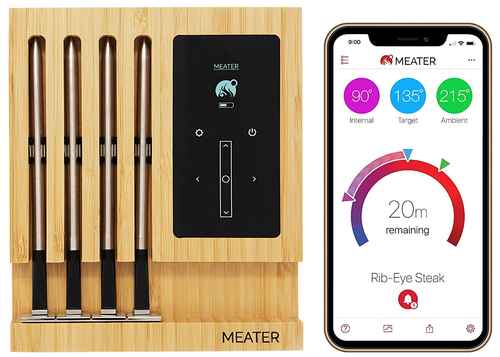
- Internal Temperature: Use a meat thermometer to check that the ground beef has reached at least 160°F (71°C), which ensures it is safe to eat.
- Color and Texture: Fully cooked hamburger should be uniformly brown throughout with no pink patches. The meat should be crumbly but not dry.
- Juices: Clear juices are a good sign that the meat is done. If the juices are still reddish or pink, the meat needs additional cooking.
Since slow cookers retain moisture, the meat may appear slightly softer than when pan-fried. This is normal and contributes to its tender texture.
Ingredients Needed
The ingredients will vary depending on the recipe, but a basic slow-cooked hamburger dish often includes:
- 1 to 2 pounds ground beef (preferably 80/20 for flavor)
- 1 medium onion, diced
- 2-3 cloves garlic, minced
- 1-2 cups tomato-based sauce (tomato paste, crushed tomatoes, or marinara)
- 1 cup beef broth or stock
- Optional vegetables: bell peppers, carrots, potatoes, or mushrooms
- Seasonings: salt, pepper, paprika, Italian seasoning, or Worcestershire sauce
- Optional thickening agents: cornstarch or flour
These ingredients create a versatile base for various dishes, from sloppy joes to chili-inspired casseroles. Adjust seasonings to your personal taste to enhance the natural flavor of the beef.
How To Cook Hamburger In Slow Cooker
- Prepare the Meat: Brown the ground beef in a skillet over medium heat before adding it to the slow cooker. This step enhances flavor and reduces excess fat, although it is optional if you prefer a more hands-off method.
- Layer Ingredients: Place the browned beef in the slow cooker. Add onions, garlic, vegetables, and liquid ingredients like broth or tomato sauce. Stir to combine evenly.
- Season Generously: Add salt, pepper, and any other desired seasonings. Herbs like thyme, oregano, and bay leaves work particularly well.
- Slow Cook: Cover and cook on low for 6-8 hours or high for 3-4 hours. Avoid removing the lid frequently, as this releases heat and extends cooking time.
- Final Adjustments: About 30 minutes before serving, check seasoning and consistency. Thicken with a slurry of cornstarch and water if the sauce is too thin.
When Things Go Wrong
Even slow cookers are not immune to mishaps. Common issues include:
- Mushy Vegetables: Adding delicate vegetables too early can lead to mush. Add them in the last 1-2 hours of cooking for better texture.
- Dry Meat: Using lean meat or overcooking can dry out the beef. Incorporating a bit of broth or tomato sauce can help maintain moisture.
- Under-seasoning: Slow cooking can sometimes dilute flavors. Taste near the end and adjust with salt, pepper, or acidity (like a splash of vinegar or lemon juice) to brighten the dish.
Being aware of these pitfalls allows for quick corrections and a consistently delicious result.
Expert Tips
- Browning Enhances Flavor: While optional, browning the beef before slow cooking adds depth via Maillard reactions.
- Layer Wisely: Place denser vegetables like carrots and potatoes at the bottom, closer to the heat source.
- Don’t Peek: Slow cookers rely on retained heat. Opening the lid frequently can add 30-45 minutes to cooking time.
- Fat Management: For lean ground beef, consider adding a small amount of oil or butter to improve texture. For fattier beef, drain excess fat after browning.
- Double Recipes: Slow cookers excel at batch cooking. Consider doubling for meal prep or freezing leftovers.
Can I Do This Without A Slow Cooker?
Yes, you can replicate slow-cooked hamburger on the stovetop or in the oven, though it requires careful temperature control:
- Stovetop: Simmer the ingredients in a heavy-bottomed pot over low heat for 2-3 hours, stirring occasionally.
- Oven: Transfer the mixture to a covered casserole dish and bake at 300°F (150°C) for 2-3 hours.
While these methods can mimic the flavor, the hands-off convenience and gentle heat of a slow cooker are difficult to replicate.
Reheating Leftovers In Slow Cooker
Slow cookers are also excellent for reheating:
- Transfer leftovers to the slow cooker.
- Add a splash of broth or water to prevent drying.
- Heat on low for 1-2 hours, stirring occasionally.
This method preserves moisture and flavor far better than microwaving, which can dry out the beef and make the sauce separate.
FAQs
Can I Cook Raw Hamburger In A Slow Cooker?
Yes, you can cook raw hamburger in a slow cooker. It is important to brown the meat in a skillet first to enhance flavor and reduce excess fat, though you can cook it directly in the slow cooker if preferred.
How Long Should Hamburger Cook In A Slow Cooker?
Cooking time depends on the recipe, but typically, raw hamburger should cook for 4-6 hours on low or 2-3 hours on high. If combined with vegetables or sauces, the timing may vary slightly.
Do I Need To Add Liquid When Cooking Hamburger In A Slow Cooker?
Yes, adding some liquid such as broth, tomato sauce, or water is recommended to prevent the meat from drying out and to help distribute flavors evenly throughout the dish.
Can I Use Frozen Hamburger In A Slow Cooker?
It is not recommended to cook frozen hamburger directly in a slow cooker because it can remain in the unsafe temperature zone too long, increasing the risk of bacterial growth. Thaw the meat in the refrigerator before cooking.
How Can I Prevent The Hamburger From Becoming Dry?
To keep hamburger moist, avoid overcooking, add liquid, and consider including ingredients like onions, tomatoes, or sauces that release moisture during cooking. Browning the meat first can also help retain juices.
What Seasonings Work Best For Slow Cooker Hamburger?
Common seasonings include salt, pepper, garlic, onion powder, paprika, and herbs like thyme or oregano. You can also add sauces like Worcestershire, ketchup, or barbecue sauce for extra flavor.
Can I Make A Hamburger Casserole In A Slow Cooker?
Yes, slow cookers are ideal for hamburger casseroles. Combine browned hamburger with pasta, vegetables, sauces, and cheese, then cook on low for several hours for a convenient and flavorful meal.
How Do I Know When Slow Cooker Hamburger Is Fully Cooked?
Hamburger is fully cooked when it reaches an internal temperature of 160°F (71°C) for ground beef. Use a meat thermometer to ensure safety.
Can I Cook Hamburger Meat With Vegetables In The Slow Cooker?
Absolutely. Root vegetables like potatoes, carrots, and onions work well. Add firmer vegetables first and more delicate ones later to ensure even cooking without overcooking.
Is It Possible To Make Low-fat Or Healthier Slow Cooker Hamburger Meals?
Yes, use lean or extra-lean ground beef, drain excess fat after browning, and incorporate plenty of vegetables and whole grains. Using tomato-based sauces instead of cream-based ones also reduces calories and fat.