
How To Cook Hen In Slow Cooker [GUIDE]
Slow cooking has long been celebrated for its ability to transform simple ingredients into tender, flavorful dishes with minimal effort. Among the variety of proteins, hen-whether a younger bird or an older stewing hen-benefits immensely from the slow, gentle heat a slow cooker provides. Unlike chicken, hens often have firmer meat and a more pronounced flavor, making them ideal for recipes that require long, steady cooking. Using a slow cooker allows the connective tissues to break down gradually, resulting in meat that is succulent, aromatic, and infused with the flavors of accompanying herbs, vegetables, and broths. This guide delves deep into everything you need to know about cooking hen in a slow cooker, ensuring consistent, delicious results every time.
Contents
- 1 How Long To Cook Hen In Slow Cooker
- 2 How To Tell If It Is Done
- 3 Ingredients Needed
- 4 How To Cook Hen In Slow Cooker
- 5 When Things Go Wrong
- 6 Expert Tips
- 7 Can I Do This Without A Slow Cooker?
- 8 Reheating Leftovers In Slow Cooker
- 9 FAQs
- 9.1 How Long Does It Take To Cook A Whole Hen In A Slow Cooker?
- 9.2 Do I Need To Add Liquid When Cooking A Hen In A Slow Cooker?
- 9.3 Should I Remove The Skin Before Slow Cooking A Hen?
- 9.4 Can I Cook A Frozen Hen Directly In The Slow Cooker?
- 9.5 What Internal Temperature Should The Hen Reach When Done?
- 9.6 Can I Add Vegetables To The Slow Cooker With The Hen?
- 9.7 Should I Brown The Hen Before Placing It In The Slow Cooker?
- 9.8 How Can I Prevent The Hen From Becoming Too Soft Or Falling Apart?
- 9.9 Can I Cook A Tough Or Older Hen In A Slow Cooker?
- 9.10 What Seasonings Work Well When Cooking A Hen In A Slow Cooker?
How Long To Cook Hen In Slow Cooker
Cooking hen in a slow cooker is not a one-size-fits-all process. The exact duration depends on the size of the hen, whether it’s whole or cut into pieces, and whether you are using the low or high heat setting.
- Whole Hen: For a 3-4 pound hen, cooking on low heat generally takes 6-8 hours, while cooking on high heat takes 3-4 hours. The slow method yields juicier, more tender meat.
- Hen Pieces: If you cut the hen into quarters or drumsticks, the cooking time is reduced slightly. On low heat, pieces generally need 4-6 hours, and on high heat, 2-3 hours.
Temperature consistency is crucial. Unlike an oven, a slow cooker maintains a steady low temperature that prevents overcooking, making it perfect for hens that can become tough if cooked too quickly.
How To Tell If It Is Done
Unlike younger chicken, hen can have firmer, darker meat that takes longer to cook thoroughly. To ensure your hen is safe and tender:
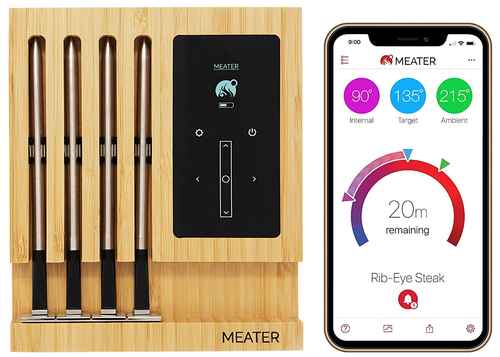
- Internal Temperature: Use a meat thermometer. Hen is done when the thickest part of the thigh reaches 165°F (74°C).
- Meat Texture: The meat should easily pull away from the bone with a gentle tug of a fork. If it still feels tough or rubbery, it needs more time.
- Juices: When you pierce the meat, the juices should run clear, not pink or reddish.
Checking both temperature and texture is essential because hens vary in age and size, which can affect cooking time.
Ingredients Needed
Cooking hen in a slow cooker is versatile; ingredients can vary depending on whether you want a simple roast or a more complex stew. Basic ingredients include:
- Hen: 3-4 pounds whole, or equivalent pieces
- Vegetables: Carrots, celery, onions, potatoes, parsnips
- Aromatics: Garlic, thyme, rosemary, bay leaves, sage
- Liquid: Chicken broth, white wine, or water (1-2 cups)
- Seasonings: Salt, black pepper, paprika, optional chili flakes
- Optional Extras: Lemon slices, mushrooms, or root vegetables for added flavor
The slow cooking process allows these flavors to meld deeply into the meat, producing a rich and satisfying dish.
How To Cook Hen In Slow Cooker
- Preparation: Rinse the hen and pat it dry with paper towels. Season generously with salt, pepper, and any desired herbs or spices.
- Layering Vegetables: Place roughly chopped vegetables at the bottom of the slow cooker. They act as a natural rack to keep the hen elevated and allow even cooking.
- Add Hen: Place the hen on top of the vegetables, breast side up. If using pieces, arrange them in a single layer.
- Add Liquid: Pour in the broth or water to cover the vegetables but not the hen entirely-this prevents it from becoming boiled.
- Cook: Cover and cook on low for 6-8 hours or high for 3-4 hours. Resist the urge to lift the lid, as each peek releases heat and extends cooking time.
- Finishing Touches: Optional step: remove the hen, place it under a broiler for 5-7 minutes to crisp the skin if desired.
When Things Go Wrong
Even in a slow cooker, issues can arise:
- Hen is dry: Likely overcooked or cooked without sufficient liquid. Always check for adequate broth, and avoid lifting the lid too often.
- Meat is tough: Probably undercooked. Give it more time on low heat; slow cooking is forgiving if you’re patient.
- Vegetables are mushy: Add heartier vegetables like potatoes and carrots at the start, and delicate vegetables like zucchini toward the end.
Slow cookers are forgiving appliances, but timing and liquid levels are key.
Expert Tips
- Trussing: Tie the hen’s legs together to maintain shape and even cooking.
- Browning: Optional searing in a hot pan before slow cooking enhances flavor and color.
- Layer Wisely: Denser vegetables go on the bottom; quicker-cooking ones on top.
- Use a Meat Thermometer: Prevents overcooking and guarantees food safety.
- Herb Infusion: Insert herbs under the skin for deeper flavor penetration.
These small adjustments make a huge difference in the outcome.
Can I Do This Without A Slow Cooker?
Absolutely. You can roast a hen in an oven or cook it in a heavy pot on the stovetop:
- Oven: Roast at 325°F (160°C) for 1.5-2 hours for a 3-4 pound hen, covering loosely with foil to retain moisture.
- Stovetop Braising: Simmer in a covered pot with liquid for 2-3 hours over low heat.
The principle is the same: gentle, prolonged heat to break down connective tissue and develop flavor.
Reheating Leftovers In Slow Cooker
Reheating hen without drying it out is easy:
- Place leftovers in the slow cooker.
- Add a small amount of broth or water.
- Heat on low for 1-2 hours until warmed through, stirring occasionally.
This method preserves tenderness and avoids the rubbery texture that microwave reheating often causes.
FAQs
How Long Does It Take To Cook A Whole Hen In A Slow Cooker?
A whole hen typically takes 6 to 8 hours on low or 3.5 to 4.5 hours on high. Cooking time varies based on the bird’s size and the specific slow cooker model.
Do I Need To Add Liquid When Cooking A Hen In A Slow Cooker?
Yes. Adding 1 to 2 cups of broth or water prevents sticking and helps create a flavorful cooking environment. The hen will also release natural juices during cooking.
Should I Remove The Skin Before Slow Cooking A Hen?
You can, but it is optional. The skin will not become crispy in a slow cooker, but leaving it on helps retain moisture. If you prefer less fat, remove the skin before cooking.
Can I Cook A Frozen Hen Directly In The Slow Cooker?
It is not recommended. For food safety, thaw the hen completely in the refrigerator before slow cooking to ensure it reaches a safe internal temperature evenly.
What Internal Temperature Should The Hen Reach When Done?
The hen should reach an internal temperature of 165°F (74°C) in the thickest parts, such as the breast and thigh, to be safe to eat.
Can I Add Vegetables To The Slow Cooker With The Hen?
Yes. Root vegetables like carrots, onions, and potatoes work especially well. Place them at the bottom of the slow cooker so they cook evenly underneath the hen.
Should I Brown The Hen Before Placing It In The Slow Cooker?
It is optional. Browning the hen in a skillet before slow cooking adds flavor and improves color, but the dish will still turn out well without this step.
How Can I Prevent The Hen From Becoming Too Soft Or Falling Apart?
Use the low setting, avoid overcooking, and choose a hen that is not overly small. Adding less liquid can also help maintain structure.
Can I Cook A Tough Or Older Hen In A Slow Cooker?
Yes. Slow cooking is ideal for older or tougher hens because the long, moist cooking process helps break down connective tissue and tenderizes the meat.
What Seasonings Work Well When Cooking A Hen In A Slow Cooker?
Aromatic herbs such as rosemary, thyme, and sage pair well. Garlic, onion powder, paprika, and salt and pepper are common choices. You can also add bay leaves or citrus for added depth.