
How To Cook Lamb In Slow Cooker [GUIDE]
Lamb is a richly flavored, tender meat that has captivated palates for centuries. Its deep, savory taste, combined with its succulent texture, makes it an ideal centerpiece for a comforting, slow-cooked meal. However, lamb can be intimidating for home cooks; overcooking can render it dry and stringy, while undercooking leaves it tough and unappetizing. This is where the slow cooker comes in-a kitchen ally that transforms a humble cut of lamb into a melt-in-your-mouth feast. By using low, consistent heat over several hours, slow cookers allow the meat to absorb aromatics, herbs, and spices, resulting in an extraordinarily flavorful dish with minimal effort. Whether you’re preparing a Sunday dinner, a festive meal, or a simple weeknight supper, mastering slow-cooked lamb opens a world of culinary possibilities.
Contents
- 1 How Long To Cook Lamb In Slow Cooker
- 2 How To Tell If It Is Done
- 3 Ingredients Needed
- 4 How To Cook Lamb In Slow Cooker
- 5 When Things Go Wrong
- 6 Expert Tips
- 7 Can I Do This Without A Slow Cooker?
- 8 Reheating Leftovers In Slow Cooker
- 9 FAQs
- 9.1 What Cuts Of Lamb Are Best For Slow Cooking?
- 9.2 Do I Need To Brown Lamb Before Putting It In The Slow Cooker?
- 9.3 How Long Does It Take To Cook Lamb In A Slow Cooker?
- 9.4 Should I Add Liquid When Cooking Lamb In A Slow Cooker?
- 9.5 What Vegetables Pair Well With Lamb In A Slow Cooker?
- 9.6 How Can I Ensure Lamb Stays Tender In A Slow Cooker?
- 9.7 Can I Use Frozen Lamb In A Slow Cooker?
- 9.8 What Seasonings Work Best For Lamb In A Slow Cooker?
- 9.9 Can I Make A Sauce Or Gravy From Slow-cooked Lamb?
- 9.10 How Should I Store Leftovers From Slow-cooked Lamb?
How Long To Cook Lamb In Slow Cooker
Cooking lamb in a slow cooker is less about precise minutes and more about understanding time ranges, temperatures, and cut types. Generally, lamb benefits from low, slow heat, which breaks down connective tissue and transforms tougher cuts like shoulder or shank into tender, juicy morsels.
- Low setting (recommended): 6-8 hours
- High setting: 3-4 hours
The timing varies depending on the cut and size:
- Lamb shoulder: 6-8 hours on low
- Lamb shanks: 7-9 hours on low
- Lamb leg (boneless): 5-7 hours on low
Cooking on low ensures a uniform, tender result and reduces the risk of drying out delicate pieces like leg or loin. Remember, a slow cooker is forgiving, so slightly extending cooking time won’t ruin the dish, but shortening it significantly may leave the meat tough.
How To Tell If It Is Done
Determining doneness in slow-cooked lamb relies more on texture than color. Unlike roasting, where internal temperature guides cooking, slow-cooked lamb is ready when it is fork-tender and easily pulls apart. Here’s what to look for:
- Fork test: Insert a fork into the thickest part of the meat. It should slide in with little resistance, and the meat should begin to fall apart when gently tugged.
- Visual cues: The exterior will be deeply colored, often browned from the initial searing (if you seared first), while the interior meat is juicy and opaque.
- Juices: When pierced, the meat should release juices that are clear to slightly pinkish, never raw red.
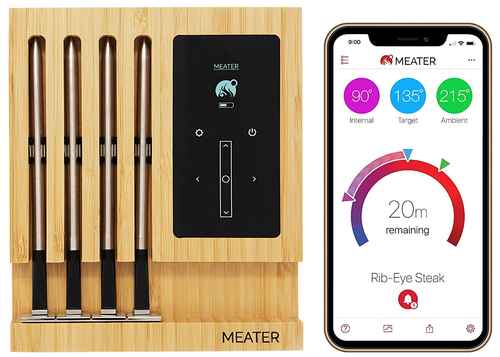
Optional but useful: using a meat thermometer for large cuts can help. Aim for 195-205°F (90-96°C) for cuts like shoulder or shank that need to break down fully.
Ingredients Needed
To create a flavorful slow-cooked lamb, the ingredient list should balance aromatics, herbs, and seasonings:
- Lamb cut: shoulder, shank, or leg (2-3 pounds)
- Aromatics: 1-2 onions, 3-4 cloves garlic, 2-3 carrots, celery stalks
- Herbs: rosemary, thyme, bay leaves
- Liquids: 1 cup beef, chicken, or vegetable stock; optional splash of red wine
- Seasonings: salt, black pepper, paprika, optional cumin or coriander
- Optional extras: potatoes, parsnips, mushrooms, or tomatoes for a one-pot meal
This combination provides a rich, layered flavor while ensuring the lamb stays moist and aromatic throughout the slow-cooking process.
How To Cook Lamb In Slow Cooker
- Prepare the lamb: Trim excess fat if desired. Season generously with salt, pepper, and spices.
- Optional sear: Heat a skillet with a little oil and brown the lamb on all sides. This step enhances flavor and adds depth to the final dish but can be skipped if short on time.
- Layer vegetables and aromatics: Place onions, carrots, garlic, and any root vegetables at the base of the slow cooker. This prevents the lamb from sticking and adds flavor to the cooking liquid.
- Add lamb: Place the lamb on top of the vegetables. Add herbs and bay leaves.
- Add liquid: Pour stock (and wine, if using) around the meat, not directly on top, to avoid washing away seasoning.
- Cook: Cover and set on low for 6-8 hours or high for 3-4 hours. Resist the urge to lift the lid frequently; each lift drops the temperature and lengthens cooking time.
- Finish: Once fork-tender, remove the lamb and let it rest for 10-15 minutes before slicing or shredding. Optionally, thicken the cooking liquid to create a luscious sauce.
When Things Go Wrong
Even with the forgiving nature of a slow cooker, things can go awry:
- Meat is tough: Likely undercooked. Extend cooking on low, ensuring it becomes fork-tender.
- Meat is dry: Possibly overcooked or lacking sufficient liquid. Adding broth and covering tightly helps.
- Liquid too thin: Remove the lamb and simmer the remaining liquid on the stovetop to reduce and thicken.
- Flavor flat: Adjust seasoning at the end with salt, pepper, or a splash of acidity like lemon juice or vinegar to brighten the dish.
Expert Tips
- Sear for flavor: Browning the lamb first creates Maillard reactions that dramatically deepen flavor.
- Low and slow: Patience pays off. Cooking on low yields tender, juicy results.
- Layer strategically: Vegetables beneath the meat act as a natural trivet and soak up flavor.
- Herbs at the right time: Delicate herbs like parsley or dill should be added near the end, while robust herbs like rosemary and thyme can go in at the start.
- Shred or slice: Depending on the dish, lamb can be shredded for stews or sliced for roasts.
Can I Do This Without A Slow Cooker?
Yes. Lamb can be slow-cooked in an oven or on the stovetop:
- Oven method: Preheat to 275-300°F (135-150°C). Place lamb in a covered Dutch oven with vegetables and liquid. Cook 3-5 hours, until fork-tender.
- Stovetop: Simmer on very low heat in a heavy-bottomed pot with a tight lid, stirring occasionally. Timing is similar to slow-cooker methods.
Both alternatives mimic the low-and-slow environment of a slow cooker, though they require closer monitoring.
Reheating Leftovers In Slow Cooker
Reheating leftover lamb in a slow cooker ensures it retains moisture and flavor:
- Place lamb and vegetables back in the slow cooker.
- Add a splash of stock or water to prevent drying.
- Heat on low for 1-2 hours until warmed through. Avoid high heat, which can overcook the lamb and toughen it.
This method also allows flavors to meld further, often improving the dish after a day or two.
FAQs
What Cuts Of Lamb Are Best For Slow Cooking?
Cuts with more connective tissue, such as lamb shoulder, leg, or shank, are ideal for slow cooking. These cuts become tender and flavorful over long cooking times, while leaner cuts can become dry and tough.
Do I Need To Brown Lamb Before Putting It In The Slow Cooker?
Browning the lamb in a skillet before adding it to the slow cooker is optional but recommended. It enhances the flavor and adds depth to the dish by caramelizing the meat’s surface.
How Long Does It Take To Cook Lamb In A Slow Cooker?
Cooking times depend on the cut and size of the lamb. Typically, lamb shoulder or shank takes 6-8 hours on low heat or 4-5 hours on high heat. Smaller pieces may cook faster.
Should I Add Liquid When Cooking Lamb In A Slow Cooker?
Yes, adding liquid such as broth, wine, or a combination helps maintain moisture and prevents the lamb from drying out. Typically, 1/2 to 1 cup of liquid is sufficient for most slow cooker recipes.
What Vegetables Pair Well With Lamb In A Slow Cooker?
Root vegetables like carrots, potatoes, and parsnips, along with onions, garlic, and celery, complement lamb well. These vegetables cook evenly in the slow cooker and absorb the flavors of the meat and seasonings.
How Can I Ensure Lamb Stays Tender In A Slow Cooker?
Cook the lamb on low heat for an extended period rather than on high. Avoid overcooking, and make sure there is sufficient liquid to prevent the meat from drying out. Resting the meat after cooking also helps retain juices.
Can I Use Frozen Lamb In A Slow Cooker?
It is generally not recommended to cook frozen lamb directly in a slow cooker, as it may remain in a temperature danger zone too long, increasing the risk of bacterial growth. Thaw the lamb completely before slow cooking.
What Seasonings Work Best For Lamb In A Slow Cooker?
Classic herbs like rosemary, thyme, and oregano pair well with lamb. Additional seasonings include garlic, paprika, cumin, and black pepper. Adjust herbs and spices according to the cooking liquid and personal taste.
Can I Make A Sauce Or Gravy From Slow-cooked Lamb?
Yes, the liquid left in the slow cooker can be transformed into a flavorful sauce or gravy. Remove the meat and vegetables, strain the liquid, and reduce it on the stove or thicken with cornstarch or flour to achieve the desired consistency.
How Should I Store Leftovers From Slow-cooked Lamb?
Allow the lamb and any accompanying vegetables or sauce to cool slightly, then store in airtight containers in the refrigerator for up to 3-4 days. For longer storage, freeze portions for up to 3 months, ensuring they are properly wrapped to prevent freezer burn.