
How To Cook Lasagna In Slow Cooker [GUIDE]
Lasagna is the epitome of comfort food: layers of tender pasta, rich tomato sauce, creamy cheese, and savory fillings all baked to bubbling perfection. Traditionally cooked in the oven, lasagna can be a bit intimidating, especially when juggling timing and oven space. Enter the slow cooker-a convenient, hands-off approach that infuses every layer with flavor and ensures a consistently moist, tender result. Slow cooker lasagna is particularly appealing for busy families, dinner parties, or anyone who loves the idea of letting the kitchen do the work while you go about your day. With the right techniques, ingredients, and timing, a slow cooker can transform this classic Italian dish into a stress-free, delectable meal.
Contents
- 1 How Long To Cook Lasagna In Slow Cooker
- 2 How To Tell If It Is Done
- 3 Ingredients Needed
- 4 How To Cook Lasagna In Slow Cooker
- 5 When Things Go Wrong
- 6 Expert Tips
- 7 Can I Do This Without A Slow Cooker?
- 8 Reheating Leftovers In Slow Cooker
- 9 FAQs
- 9.1 Can I Cook Lasagna In A Slow Cooker Without Pre-cooking The Noodles?
- 9.2 How Long Does It Take To Cook Lasagna In A Slow Cooker?
- 9.3 Should I Cover The Slow Cooker While Cooking Lasagna?
- 9.4 Can I Add Raw Vegetables To Lasagna In A Slow Cooker?
- 9.5 What Type Of Cheese Works Best For Slow Cooker Lasagna?
- 9.6 Can I Prepare Lasagna In Advance And Cook It Later In The Slow Cooker?
- 9.7 Do I Need To Use Foil Or Parchment Paper In The Slow Cooker?
- 9.8 How Can I Prevent Lasagna From Becoming Too Watery In A Slow Cooker?
- 9.9 Can I Use Frozen Meat In Slow Cooker Lasagna?
- 9.10 How Do I Serve Lasagna From A Slow Cooker?
How Long To Cook Lasagna In Slow Cooker
Cooking lasagna in a slow cooker is all about low and slow heat to allow the layers to meld together while the noodles soften perfectly. The general rule of thumb is:
- Low setting: 4 to 6 hours
- High setting: 2 to 3 hours
Keep in mind that exact times vary depending on the size and depth of your slow cooker, the thickness of your layers, and the moisture content of your sauce. Using a high-quality, heavy-duty slow cooker with a tight-fitting lid will provide the most even cooking. One key advantage of the slow cooker method is the even heat distribution, which allows the flavors to develop more deeply than in a conventional oven.
How To Tell If It Is Done
Unlike oven-baked lasagna, slow cooker lasagna doesn’t always brown on top, so visual cues alone aren’t enough. Here’s how to know when your lasagna is perfectly cooked:
- Noodles are tender: Insert a fork or skewer into the center layer. It should slide through the noodles without resistance.
- Cheese is melted: The cheese should be fully melted and creamy, not rubbery or undercooked.
- Bubbling sauce: The sauce should be visibly bubbling around the edges, signaling that the dish is heated through.
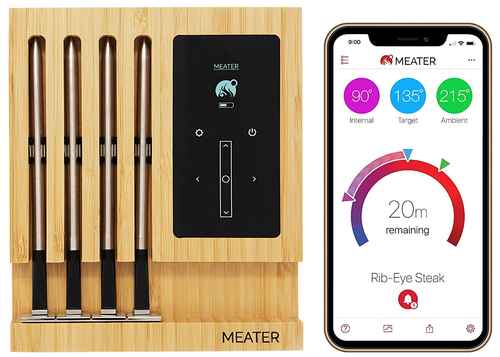
- Internal temperature: For a foolproof check, the center should reach at least 165°F (74°C).
Patience is key; removing the lid too early can result in undercooked noodles.
Ingredients Needed
The beauty of slow cooker lasagna is that you can adjust ingredients to taste, but the essential components include:
- Lasagna noodles: Regular or no-boil noodles, depending on preference
- Cheese: Ricotta, mozzarella, and Parmesan for richness and creaminess
- Protein: Ground beef, Italian sausage, or plant-based alternatives
- Vegetables: Onions, garlic, spinach, mushrooms, or zucchini
- Tomato sauce: Homemade or store-bought marinara
- Seasonings: Salt, pepper, Italian herbs (basil, oregano, thyme), red pepper flakes if desired
- Optional add-ins: Fresh herbs, a splash of cream for extra richness, or layers of roasted vegetables for a vegetarian version
Having your ingredients prepped and ready ensures smooth assembly and even cooking.
How To Cook Lasagna In Slow Cooker
- Prepare the sauce and filling: Cook your protein and vegetables, then combine with tomato sauce. Mix ricotta with an egg, a pinch of salt, and Parmesan for the cheese layer.
-
Layer Carefully
- Start with a thin layer of sauce at the bottom to prevent sticking.
- Add a layer of noodles, overlapping slightly.
- Spread a layer of ricotta mixture, then protein/vegetable mix, and sprinkle mozzarella.
- Repeat until ingredients are used, finishing with sauce and a generous layer of mozzarella.
- Cook: Cover with the lid and cook on low or high based on your timing. Avoid lifting the lid frequently; every lift lets heat escape.
- Rest before serving: Let the lasagna sit for 10-15 minutes after cooking. This helps it set and makes serving easier.
When Things Go Wrong
Even slow cooker lasagna can face setbacks:
- Noodles too firm: Usually due to insufficient liquid. Make sure sauce is generous or soak noodles in warm water beforehand.
- Lasagna too watery: Could be from high-moisture vegetables or too much sauce. Drain vegetables or reduce sauce slightly.
- Cheese clumping: Use room temperature cheese, mix ricotta thoroughly, and avoid overcooking.
- Edges sticking: A thin coating of oil or sauce at the bottom of the slow cooker can prevent sticking.
Expert Tips
- Use no-boil noodles for convenience; they cook perfectly in a slow cooker with the sauce’s moisture.
- Line the slow cooker with parchment paper for easier cleanup.
- Layer thoughtfully: Start and end with sauce layers to prevent noodles from drying out.
- For richer flavor, brown the meat and sauté vegetables before layering-they release more flavor than raw ingredients.
- If you like a browned top, briefly place cooked portions under a broiler for a few minutes.
Can I Do This Without A Slow Cooker?
Yes. Oven-baked lasagna follows a similar layering method but usually cooks at 350°F (175°C) for 45-60 minutes, covered with foil for most of the time. Baking offers more control over browning and texture but requires constant monitoring, unlike the slow cooker’s hands-off approach.
Reheating Leftovers In Slow Cooker
Leftover slow cooker lasagna reheats beautifully:
- Low and slow: Place lasagna in the slow cooker, cover, and heat on low for 1-2 hours until warmed through.
- Add moisture: Sprinkle a few tablespoons of water or extra sauce between layers to prevent drying.
- Avoid high heat: High heat can overcook the noodles or cause the cheese to become rubbery.
This method preserves the creamy, tender texture and keeps flavors melded.
FAQs
Can I Cook Lasagna In A Slow Cooker Without Pre-cooking The Noodles?
Yes, you can use no-boil or oven-ready lasagna noodles directly in a slow cooker. Regular noodles can also be used, but it’s recommended to add extra sauce or a small amount of water to ensure they cook fully and absorb enough moisture.
How Long Does It Take To Cook Lasagna In A Slow Cooker?
Cooking time depends on the slow cooker setting. On low, it typically takes 4-6 hours, while on high, it can take 2-3 hours. Cooking times may vary depending on the thickness of the lasagna and the slow cooker model.
Should I Cover The Slow Cooker While Cooking Lasagna?
Yes, covering the slow cooker is essential. The lid traps moisture and heat, allowing the noodles to cook evenly and the cheese to melt properly. Avoid opening the lid frequently, as it can significantly increase cooking time.
Can I Add Raw Vegetables To Lasagna In A Slow Cooker?
Yes, but you should slice vegetables thinly to ensure they cook thoroughly. Harder vegetables like carrots or zucchini may need pre-cooking or grating to soften sufficiently within the slow-cooking time.
What Type Of Cheese Works Best For Slow Cooker Lasagna?
Ricotta, mozzarella, and Parmesan are commonly used. Ricotta mixed with an egg creates a creamy layer that holds well, while mozzarella provides a gooey, melty texture. Grated Parmesan adds a sharp flavor and browning effect.
Can I Prepare Lasagna In Advance And Cook It Later In The Slow Cooker?
Yes, you can assemble the lasagna in the slow cooker insert and refrigerate it for up to 24 hours before cooking. Allow the slow cooker to reach room temperature slightly before turning it on to ensure even cooking.
Do I Need To Use Foil Or Parchment Paper In The Slow Cooker?
Using a liner, parchment, or foil can help prevent sticking and make cleanup easier. It’s particularly useful if the slow cooker has a tendency for ingredients to adhere to the sides or bottom.
How Can I Prevent Lasagna From Becoming Too Watery In A Slow Cooker?
Use thicker sauces or drain excess liquid from ingredients like canned tomatoes or vegetables. Layer carefully and avoid over-saucing the noodles. Allowing the lasagna to rest for 10-15 minutes after cooking helps excess liquid settle.
Can I Use Frozen Meat In Slow Cooker Lasagna?
It’s possible, but it’s safer to thaw ground meat or cooked meats first to ensure even cooking and reduce the risk of bacteria. Cooking from frozen may extend the cooking time and affect texture.
How Do I Serve Lasagna From A Slow Cooker?
Once cooked, allow the lasagna to rest for 10-15 minutes to firm up for easier slicing. Use a spatula to lift portions gently. Garnish with fresh herbs like basil or parsley before serving for added flavor and presentation.