
How To Cook Meat In Slow Cooker [GUIDE]
Slow cookers have become indispensable tools in modern kitchens, offering a hands-off approach to preparing hearty, flavorful meals. Whether you’re cooking a tender roast, succulent chicken, or robust beef stew, slow cooking allows meat to simmer gently over hours, breaking down connective tissues and infusing dishes with rich, comforting flavors. Unlike rapid cooking methods, slow cookers provide a steady, controlled heat that ensures even cooking and maximizes the tenderness and juiciness of your meat. They are perfect for busy schedules, allowing you to prepare meals in the morning and return home to a ready-to-eat dinner. However, slow cooking is both an art and a science-it requires understanding the cooking times, the right temperatures, and the signs that indicate perfectly cooked meat.
Contents
- 1 How Long To Cook Meat In Slow Cooker
- 2 How To Tell If It Is Done
- 3 Ingredients Needed
- 4 How To Cook Meat In Slow Cooker
- 5 When Things Go Wrong
- 6 Expert Tips
- 7 Can I Do This Without A Slow Cooker?
- 8 Reheating Leftovers In Slow Cooker
- 9 FAQs
- 9.1 What Types Of Meat Are Best For Slow Cooking?
- 9.2 How Should I Prepare Meat Before Putting It In A Slow Cooker?
- 9.3 Should I Add Liquid When Slow Cooking Meat?
- 9.4 How Long Does It Take To Cook Meat In A Slow Cooker?
- 9.5 Can I Cook Frozen Meat Directly In A Slow Cooker?
- 9.6 How Can I Ensure Meat Stays Tender And Juicy In A Slow Cooker?
- 9.7 Do I Need To Stir Meat While It Cooks In A Slow Cooker?
- 9.8 How Do I Know When Slow-cooked Meat Is Done?
- 9.9 Can I Brown Vegetables With The Meat In The Slow Cooker?
- 9.10 How Should I Store Leftover Slow-cooked Meat?
How Long To Cook Meat In Slow Cooker
The cooking time in a slow cooker depends on the type and size of meat, whether it’s bone-in or boneless, and the temperature setting (low or high). Slow cookers usually operate at two main settings: low, which ranges around 190-200°F (88-93°C), and high, around 280-300°F (138-149°C).
- Beef roasts (chuck, brisket, or round): 6-8 hours on low, 4-5 hours on high.
- Pork shoulder or butt: 8-10 hours on low, 6-7 hours on high.
- Chicken (whole): 4-6 hours on low, 2-3 hours on high.
- Chicken thighs or drumsticks: 3-4 hours on low, 2-3 hours on high.
- Lamb: 6-8 hours on low, 4-5 hours on high.
- Ground meats: 2-3 hours on low, 1-2 hours on high.
These are general guidelines; exact times may vary depending on the slow cooker model and the thickness of the meat. Patience is key-overcooking can dry out lean meats like chicken breast, while undercooking can leave tougher cuts chewy.
How To Tell If It Is Done
Determining whether meat is fully cooked in a slow cooker involves more than just timing: visual cues, texture, and temperature all matter.
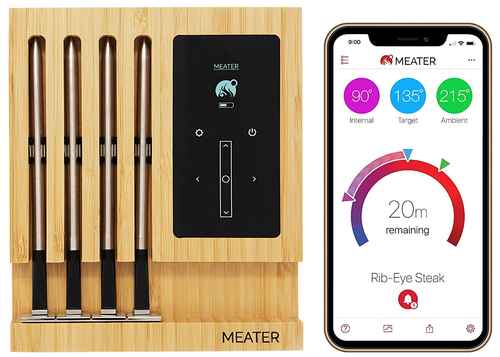
- Internal Temperature: The most reliable method. Use a digital meat thermometer: chicken should reach 165°F (74°C), pork 145°F (63°C) with a three-minute rest, beef roasts at least 145°F (63°C) for medium rare, and 160°F (71°C) for medium.
- Texture and Tenderness: Slow-cooked meat should pull apart easily with a fork, especially for cuts like beef chuck or pork shoulder. If it resists or feels rubbery, it likely needs more time.
- Juices: Clear juices indicate that poultry is cooked; pink or bloody juices mean it needs additional cooking.
Remember that slow cookers can vary in temperature, so using a thermometer is far more reliable than simply relying on time.
Ingredients Needed
The ingredients for slow-cooked meat dishes are straightforward, but selecting quality components will dramatically enhance flavor:
- Meat: Choose cuts with some marbling or connective tissue for the best tenderness and richness.
- Aromatics: Onions, garlic, and leeks form the flavor base.
- Vegetables: Carrots, potatoes, celery, and root vegetables cook well alongside meat.
- Liquids: Broth, stock, wine, or a combination helps prevent drying and creates the cooking liquid.
- Herbs and Spices: Thyme, rosemary, bay leaves, paprika, and black pepper infuse layers of flavor over hours of cooking.
- Optional Enhancers: Tomato paste, Worcestershire sauce, or mustard can enrich the taste profile.
Avoid adding delicate ingredients like fresh herbs or milk early in the cooking process-they may lose flavor or curdle if exposed to long cooking times.
How To Cook Meat In Slow Cooker
- Prep Your Meat: Trim excess fat, season generously, and optionally sear in a hot pan for added depth of flavor.
- Layer Ingredients: Place root vegetables at the bottom, meat on top, and aromatics and liquids last. This ensures even cooking and prevents meat from overcooking before vegetables are tender.
- Add Liquids: Cover the meat partially or fully with broth or stock. Avoid overfilling, as slow cookers need space for steam to circulate.
- Set Temperature and Time: Low for tender, slow-cooked flavor; high for faster cooking. Check the meat occasionally towards the end of cooking to gauge doneness.
- Finishing Touches: Adjust seasoning, thicken sauces with cornstarch or flour if needed, and let the meat rest before serving.
When Things Go Wrong
Even slow cookers can encounter issues:
- Dry Meat: Usually occurs with lean cuts or overcooking. Solution: add more liquid and cook on low.
- Undercooked Meat: May happen if the slow cooker runs cooler than expected. Always check internal temperature and continue cooking if necessary.
- Vegetables Overcooked: Add delicate vegetables like peas, zucchini, or spinach in the last 30 minutes.
- Watery Sauce: Remove the lid in the last 30-60 minutes to reduce liquids or thicken with a slurry of cornstarch and water.
Understanding these common pitfalls helps salvage meals without compromising taste.
Expert Tips
- Sear First for Flavor: Browning meat before slow cooking develops Maillard reactions that add rich, savory depth.
- Layer Strategically: Denser vegetables on the bottom, meat on top to prevent sogginess.
- Use the Lid Wisely: Avoid lifting the lid frequently; each lift can add 15-20 minutes to the cooking time.
- Cut Meat Consistently: Uniform pieces ensure even cooking.
- Rest Meat: Letting meat sit for 10-15 minutes post-cooking allows juices to redistribute.
Can I Do This Without A Slow Cooker?
Yes. If a slow cooker is unavailable, you can mimic the effect using:
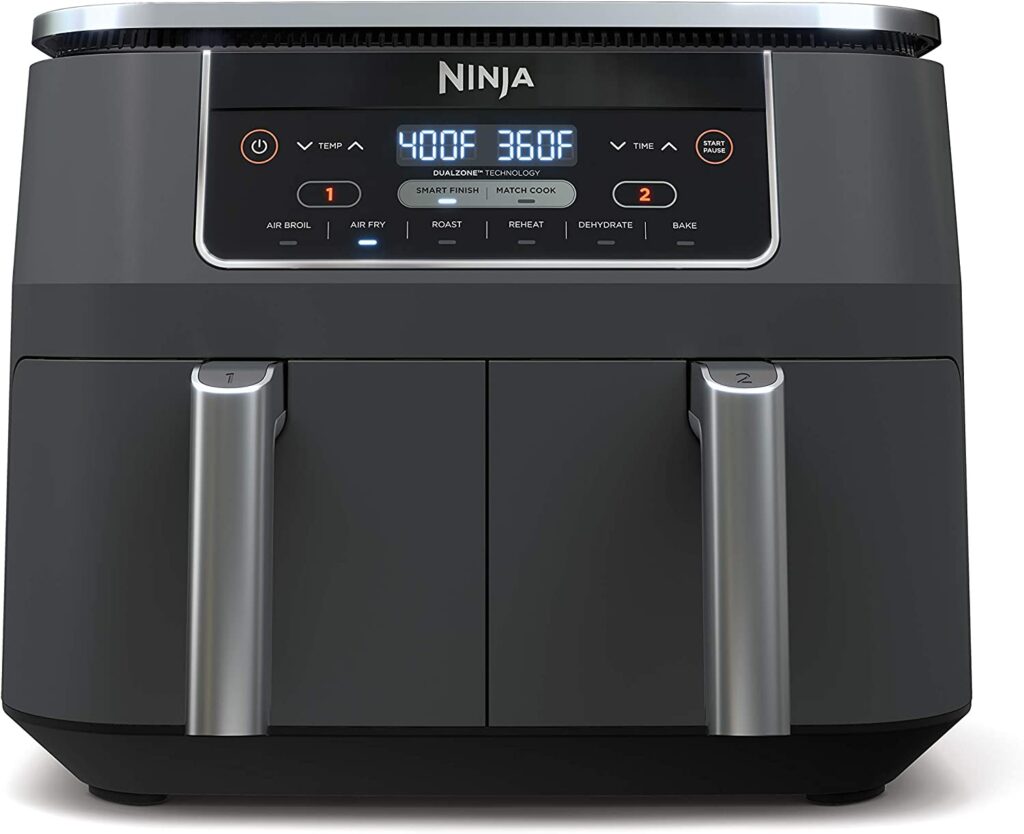
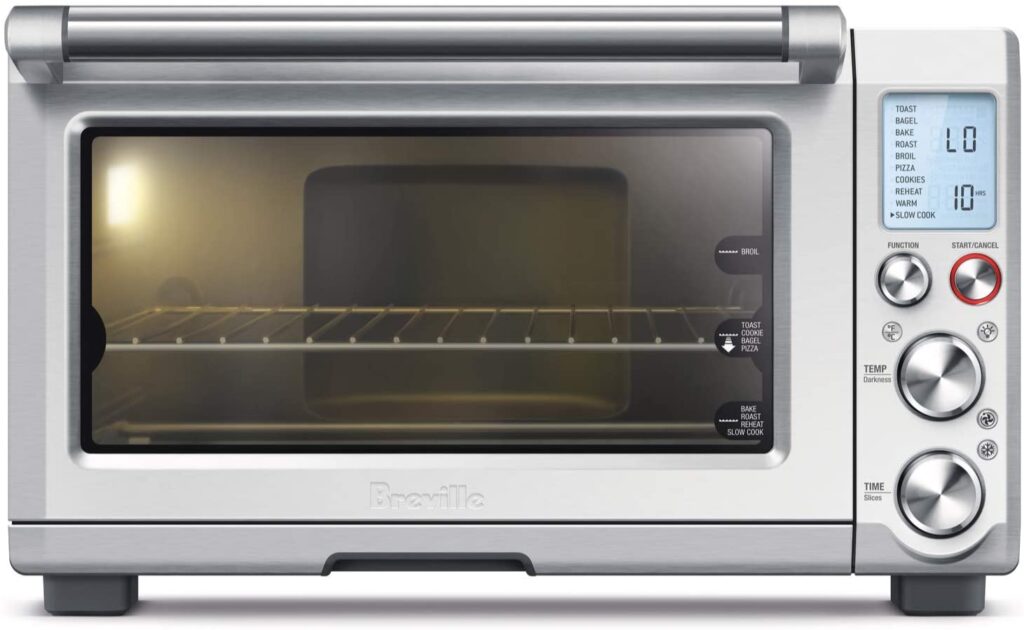
- Oven: Cook in a covered Dutch oven at 275-300°F (135-150°C) for several hours.
- Stovetop: Use a heavy-bottomed pot on the lowest heat, simmering gently while partially covered.
- Pressure Cooker/Instant Pot: Shortens cooking time dramatically, though flavor may differ slightly due to the absence of prolonged simmering.
While these alternatives work, the slow cooker offers unmatched convenience for unattended cooking.
Reheating Leftovers In Slow Cooker
Slow cookers are excellent for reheating without drying meat.
- Low and Slow: Heat leftovers on low for 1-2 hours until warmed through.
- Stir Occasionally: Ensures even temperature and prevents sticking.
- Add Moisture if Needed: A splash of broth or water keeps meat tender.
Avoid reheating in high temperature for extended periods, as it can make previously tender meat tough.
FAQs
What Types Of Meat Are Best For Slow Cooking?
Tougher cuts of meat with more connective tissue, such as beef chuck, pork shoulder, and lamb shanks, are ideal for slow cooking. These cuts become tender and flavorful when cooked slowly over several hours. Leaner cuts, like chicken breast or tenderloin, can also be cooked but require careful monitoring to avoid drying out.
How Should I Prepare Meat Before Putting It In A Slow Cooker?
Trim excess fat, remove any silver skin, and season the meat with salt, pepper, and other desired spices. For added flavor, consider searing the meat in a hot skillet for a few minutes on each side before adding it to the slow cooker. This step enhances the depth of flavor and helps retain juices.
Should I Add Liquid When Slow Cooking Meat?
Yes, adding liquid is essential to ensure even cooking and to prevent the meat from drying out. Common liquids include broth, stock, wine, or a mixture of sauces. Typically, you need enough liquid to cover the bottom of the slow cooker by about 1/2 to 1 inch. The slow cooking process will generate additional moisture from the meat itself.
How Long Does It Take To Cook Meat In A Slow Cooker?
Cooking times vary depending on the type and size of the meat, as well as the heat setting. Generally, large cuts of beef or pork take 6-8 hours on low heat or 3-4 hours on high. Chicken pieces usually cook in 4-6 hours on low or 2-3 hours on high. Always check that meat reaches the safe internal temperature recommended by food safety guidelines.
Can I Cook Frozen Meat Directly In A Slow Cooker?
It is not recommended to cook frozen meat directly in a slow cooker, as it can keep the meat at an unsafe temperature for too long, increasing the risk of bacterial growth. Thaw meat in the refrigerator before slow cooking, or use the defrost function on a microwave to safely prepare meat for cooking.
How Can I Ensure Meat Stays Tender And Juicy In A Slow Cooker?
Cook meat on the low setting whenever possible, avoid overcooking, and keep the lid closed during cooking to retain moisture. Adding some fat, like olive oil or butter, or using a marinade can also help preserve juiciness. For tougher cuts, slow cooking for the recommended time will break down connective tissue, making the meat tender.
Do I Need To Stir Meat While It Cooks In A Slow Cooker?
No, frequent stirring is generally unnecessary. Slow cookers are designed for even, indirect heat, and opening the lid too often can cause heat loss and extend cooking time. Only stir if you are adding ingredients mid-cooking or if a recipe specifically requires it.
How Do I Know When Slow-cooked Meat Is Done?
Use a meat thermometer to check the internal temperature. Safe minimum internal temperatures are: 145°F (63°C) for beef, pork, and lamb (followed by a 3-minute rest), 165°F (74°C) for poultry, and 160°F (71°C) for ground meat. The meat should also be tender and easily pull apart with a fork.
Can I Brown Vegetables With The Meat In The Slow Cooker?
Yes, you can add vegetables, but root vegetables like potatoes and carrots may require longer cooking than soft vegetables. For enhanced flavor, consider searing both meat and vegetables before adding them to the slow cooker. Layering denser vegetables at the bottom helps them cook evenly under the meat.
How Should I Store Leftover Slow-cooked Meat?
Cool the leftovers quickly by transferring the meat and cooking liquid into shallow containers, then refrigerate within two hours of cooking. Leftovers can be stored in the refrigerator for 3-4 days or frozen for up to 3 months. Reheat thoroughly to an internal temperature of 165°F (74°C) before serving.