
How To Cook Neck Bones In Slow Cooker [GUIDE]
Neck bones, often overlooked and undervalued, are a culinary treasure trove of flavor. Found in pork, beef, or lamb varieties, these cuts may appear bony and unassuming at first glance, but they are rich in marrow, connective tissue, and natural gelatin, which melt during slow cooking to create a deeply savory, hearty dish. Slow cooking neck bones allows the meat to become incredibly tender, almost falling off the bone, while infusing stews, soups, or braised dishes with an unmatched depth of flavor. Whether you’re seeking a comforting family meal or an impressive dish for guests, slow-cooked neck bones provide a rustic, soulful experience that is both satisfying and economical.
Contents
- 1 How Long To Cook Neck Bones In Slow Cooker
- 2 How To Tell If It Is Done
- 3 Ingredients Needed
- 4 How To Cook Neck Bones In Slow Cooker
- 5 When Things Go Wrong
- 6 Expert Tips
- 7 Can I Do This Without A Slow Cooker?
- 8 Reheating Leftovers In Slow Cooker
- 9 FAQs
- 9.1 What Type Of Neck Bones Are Best For A Slow Cooker?
- 9.2 Do I Need To Brown Neck Bones Before Slow Cooking?
- 9.3 How Long Should Neck Bones Cook In A Slow Cooker?
- 9.4 Should I Add Water Or Broth When Cooking Neck Bones In A Slow Cooker?
- 9.5 Can I Add Vegetables To Neck Bones In The Slow Cooker?
- 9.6 Do I Need To Season Neck Bones Before Slow Cooking?
- 9.7 How Do I Know When The Neck Bones Are Done?
- 9.8 Can I Make A Soup Or Stew With Slow-cooked Neck Bones?
- 9.9 Can I Freeze Cooked Neck Bones Or Broth?
- 9.10 Are There Any Tips To Reduce Fat In Slow-cooked Neck Bones?
How Long To Cook Neck Bones In Slow Cooker
The secret to perfectly cooked neck bones lies in patience. Unlike tender cuts of meat that require only brief cooking, neck bones benefit from long, slow cooking that allows the collagen and connective tissues to break down fully. On low heat, pork or beef neck bones typically need 8 to 10 hours, while on high heat, cooking time can range from 4 to 6 hours. The goal is not just to cook the meat through but to allow the flavors to meld, the marrow to enrich the broth, and the meat to reach a melt-in-your-mouth tenderness. Undercooking can leave the meat chewy and tough, while overcooking slightly is usually safe, as the slow cooker’s moist heat prevents drying.
How To Tell If It Is Done
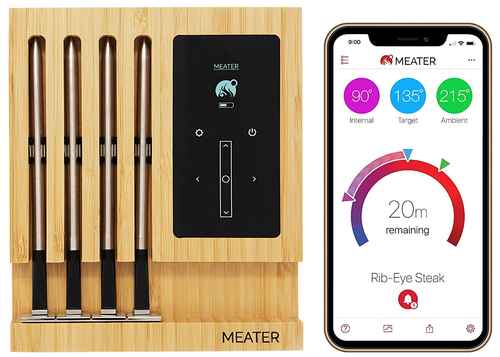
Knowing when neck bones are done requires more than simply checking the clock. The meat should pull away from the bone easily with minimal effort and have a silky, tender texture. When pierced with a fork, it should almost shred naturally. Additionally, the broth or cooking liquid should be rich and slightly gelatinous, a sign that the marrow and collagen have been fully extracted. Visual cues are also helpful: the meat should no longer appear pink near the bone, and the connective tissue should be translucent and soft. Taste testing a small piece of meat is the ultimate confirmation; it should be succulent, flavorful, and tender without any resistance.
Ingredients Needed
While neck bones themselves are the star, the supporting cast of ingredients is what transforms a simple cut of meat into a flavor-packed dish:
- Neck bones: 2-3 pounds, pork or beef, trimmed of excess fat if desired
- Onion: 1 large, chopped
- Garlic: 3-5 cloves, minced
- Carrots: 2-3, chopped
- Celery: 2 stalks, chopped
- Potatoes: 2-3 medium, diced (optional)
- Tomato paste or diced tomatoes: 2-3 tablespoons or 1 can
- Broth: 3-4 cups, chicken, beef, or vegetable
- Bay leaves: 1-2
- Thyme, rosemary, or other herbs: 1-2 teaspoons
- Salt and pepper: To taste
- Optional extras: Hot sauce, vinegar, or a splash of wine for extra depth
These ingredients form a balance of aromatics, vegetables, and liquids that complement the rich flavor of the neck bones.
How To Cook Neck Bones In Slow Cooker
- Prepare the neck bones: Pat dry and optionally sear them in a skillet with a small amount of oil until browned. This step adds depth to the flavor but is not strictly necessary.
- Layer aromatics: Place onions, garlic, carrots, and celery at the bottom of the slow cooker. These vegetables act as a flavorful base and keep the meat elevated slightly for even cooking.
- Add meat and liquids: Nestle the neck bones on top of the vegetables. Pour broth over the meat until it reaches about two-thirds of the way up the bones. Add herbs, tomato paste, or diced tomatoes.
- Season and cook: Season with salt and pepper. Cover the slow cooker and cook on low for 8-10 hours or on high for 4-6 hours. Resist the urge to remove the lid frequently, as this slows down cooking and prolongs the tenderization process.
- Final check: Ensure the meat is tender, pulling away from the bones, and the broth is rich and flavorful. Adjust seasoning before serving.
When Things Go Wrong
Even in slow cooking, mishaps can occur:
- Tough meat: Likely undercooked. Extend the cooking time and ensure the slow cooker maintained a consistent temperature.
- Watery broth: If too much liquid remains, remove the lid and cook on high for the last 30-60 minutes to reduce it.
- Overly salty: Add a splash of water or unsalted broth to balance.
- Meat sticking together: Stir gently or separate pieces midway if needed.
Slow cookers are forgiving, but attention to layering, liquid levels, and seasoning is key.
Expert Tips
- Brown the bones first: Adds Maillard flavor and richer color.
- Use a mix of bones and meat: Neck bones with a little extra pork shoulder or beef chuck can enhance tenderness.
- Don’t overcrowd: Space allows heat to circulate, ensuring even cooking.
- Add acidic ingredients late: Ingredients like vinegar or tomatoes can tenderize but may prevent collagen breakdown if added too early.
- Skim fat: After cooking, skim excess fat from the surface for a cleaner broth.
Can I Do This Without A Slow Cooker?
Absolutely. Neck bones can be cooked in the oven or on the stovetop using a Dutch oven or heavy pot. Simmer slowly at low heat (around 275-300°F in the oven or low on the stove) for 3-4 hours. The principles remain the same: slow, moist heat and ample liquid. The slow cooker simply adds convenience and consistent heat without monitoring.
Reheating Leftovers In Slow Cooker
To reheat:
- Transfer leftovers into the slow cooker.
- Add a splash of broth or water to prevent drying.
- Heat on low for 2-3 hours or high for 1 hour until warmed through.
This method preserves tenderness and infuses the leftovers with additional flavor as they warm. Avoid microwaving if possible, as it can dry out the meat and toughen the gelatin-rich broth.
FAQs
What Type Of Neck Bones Are Best For A Slow Cooker?
Pork or beef neck bones with some meat still attached are ideal for slow cooking. Look for bones with a mix of meat, connective tissue, and fat, as this combination will yield rich flavor and tender meat when cooked slowly.
Do I Need To Brown Neck Bones Before Slow Cooking?
Browning the neck bones in a skillet before adding them to the slow cooker is optional but recommended. It enhances the flavor through caramelization and gives the final dish a deeper, more savory taste.
How Long Should Neck Bones Cook In A Slow Cooker?
Cook neck bones on low heat for 6-8 hours or on high heat for 3-4 hours. Slow cooking allows the meat to become tender and the collagen in the bones to break down, resulting in a rich broth.
Should I Add Water Or Broth When Cooking Neck Bones In A Slow Cooker?
You can use water, chicken broth, beef broth, or a combination to cover the neck bones. Broth adds additional flavor, while water will still allow the bones to release their natural flavors during cooking.
Can I Add Vegetables To Neck Bones In The Slow Cooker?
Yes. Common additions include onions, carrots, celery, garlic, and potatoes. Add heartier vegetables like carrots and potatoes at the beginning, and softer vegetables like greens toward the last hour to prevent overcooking.
Do I Need To Season Neck Bones Before Slow Cooking?
Yes. Seasoning with salt, pepper, garlic powder, onion powder, paprika, or other spices enhances flavor. Remember that slow cooking intensifies seasonings, so moderate amounts are sufficient at the start; you can adjust at the end.
How Do I Know When The Neck Bones Are Done?
Neck bones are done when the meat is tender and easily pulls away from the bone. The broth should also be flavorful and slightly thickened from the gelatin released by the bones.
Can I Make A Soup Or Stew With Slow-cooked Neck Bones?
Absolutely. Slow-cooked neck bones produce a rich, flavorful broth that serves as an excellent base for soups or stews. Add your preferred vegetables, beans, or grains to make a hearty dish.
Can I Freeze Cooked Neck Bones Or Broth?
Yes. After slow cooking, allow the neck bones and broth to cool, then store them in airtight containers in the freezer. They can be kept for up to 3 months. Thaw in the refrigerator before reheating.
Are There Any Tips To Reduce Fat In Slow-cooked Neck Bones?
Yes. After cooking, refrigerate the broth; the fat will solidify on top and can be easily removed. You can also skim the fat during cooking with a spoon to reduce greasiness.