
How To Cook Pork Loin Roast In Slow Cooker [GUIDE]
A pork loin roast is a classic centerpiece for family dinners, gatherings, or even a comforting weeknight meal. Known for its tenderness, mild flavor, and versatility, the pork loin can be transformed into a succulent dish that practically melts in your mouth. While traditional oven roasting can produce excellent results, using a slow cooker offers an almost foolproof method to achieve moist, flavorful pork with minimal effort. The slow cooking process allows the meat to slowly absorb seasonings and juices, creating layers of flavor that are difficult to replicate with other cooking methods. Whether you’re a seasoned home chef or a beginner looking to elevate your weekday meals, mastering the slow-cooked pork loin roast is a culinary skill worth having.
Contents
- 1 How Long To Cook Pork Loin Roast In Slow Cooker
- 2 How To Tell If It Is Done
- 3 Ingredients Needed
- 4 How To Cook Pork Loin Roast In Slow Cooker
- 5 When Things Go Wrong
- 6 Expert Tips
- 7 Can I Do This Without A Slow Cooker?
- 8 Reheating Leftovers In Slow Cooker
- 9 FAQs
- 9.1 What Size Pork Loin Roast Is Best For A Slow Cooker?
- 9.2 Do I Need To Sear The Pork Loin Before Putting It In The Slow Cooker?
- 9.3 How Long Should I Cook A Pork Loin Roast In A Slow Cooker?
- 9.4 What Liquid Should I Use When Slow Cooking Pork Loin?
- 9.5 Can I Add Vegetables To The Slow Cooker With The Pork Loin?
- 9.6 How Do I Prevent The Pork Loin From Drying Out In A Slow Cooker?
- 9.7 Can I Cook Frozen Pork Loin In A Slow Cooker?
- 9.8 How Should I Season A Pork Loin For Slow Cooking?
- 9.9 Should I Cover The Slow Cooker While Cooking Pork Loin?
- 9.10 How Do I Know When The Pork Loin Is Done?
How Long To Cook Pork Loin Roast In Slow Cooker
Cooking times for pork loin in a slow cooker vary depending on the size of the roast, the specific slow cooker model, and whether you are cooking on high or low heat. As a general guideline:
- Low heat: 6-8 hours
- High heat: 3-4 hours
A key tip is to consider the thickness and weight of your roast. For a typical 2-3 pound pork loin, 6-8 hours on low ensures even cooking and maximum tenderness. Slow cookers vary widely in temperature, so these ranges are guidelines. Using a meat thermometer is highly recommended to guarantee safety and perfect doneness. Avoid opening the lid repeatedly during cooking, as this extends cooking time and can dry out the meat.
How To Tell If It Is Done
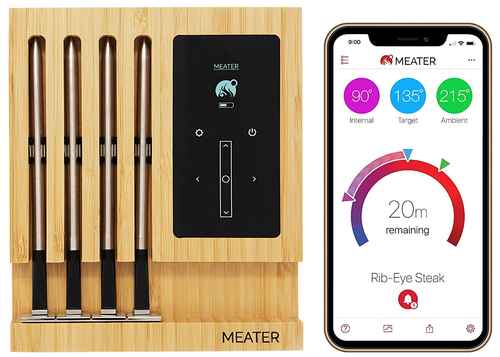
Unlike oven-roasted pork, slow cooker pork can sometimes be deceptively soft, making visual cues less reliable. The most accurate method is using a meat thermometer. Pork loin should reach an internal temperature of 145°F (63°C), followed by a rest of 3-5 minutes. During this resting period, the temperature can rise slightly, and juices will redistribute, ensuring moist meat.
Other signs your pork loin is done include:
- The meat is tender and easily pulls apart with a fork.
- The juices run clear, not pink.
- The surface has a slightly caramelized appearance if you seared it before slow cooking.
Resist the urge to overcook; prolonged slow cooking can turn pork loin dry, even in a moist environment.
Ingredients Needed
To make a delicious slow cooker pork loin roast, you’ll need both the roast itself and complementary ingredients for flavoring. A classic combination includes:
Main Ingredients
- 2-3 lb pork loin roast
Seasonings And Aromatics
- 2-3 cloves garlic, minced
- 1 large onion, sliced
- 1-2 tsp salt
- ½-1 tsp black pepper
- 1-2 tsp paprika or smoked paprika (optional for depth)
- Fresh or dried herbs (rosemary, thyme, or sage)
Liquids And Sauces
- ½ cup chicken or vegetable broth
- ¼ cup apple cider, white wine, or balsamic vinegar for tang
- Optional: 2-3 tbsp olive oil or melted butter for searing
Optional Add-ins
- Carrots, potatoes, or parsnips for a one-pot meal
- Apples or dried cranberries for subtle sweetness
How To Cook Pork Loin Roast In Slow Cooker
- Prepare the Roast: Pat the pork loin dry with paper towels. Season generously with salt, pepper, paprika, and herbs. Optional: sear the roast in a hot pan with olive oil or butter for 2-3 minutes per side to enhance flavor and color.
- Layer the Slow Cooker: Place onions and garlic at the bottom of the slow cooker. If using vegetables, arrange them in an even layer under the pork roast.
- Add Liquids: Pour broth, cider, or your chosen liquid around the meat, avoiding washing off the seasoning.
- Cook: Cover and set the slow cooker to low for 6-8 hours or high for 3-4 hours. Avoid lifting the lid frequently.
- Rest and Serve: Once the pork reaches 145°F, remove it from the slow cooker and let it rest for 5-10 minutes. Slice against the grain for maximum tenderness. Use the juices from the slow cooker as a natural sauce or gravy.
When Things Go Wrong
Even slow cooking, which is generally forgiving, can have hiccups:
- Dry Meat: Usually caused by overcooking or a lean roast with little fat. To fix, slice thinly and serve with the juices or a creamy sauce.
- Undercooked Meat: Rare but possible with large roasts or inconsistent slow cooker temperatures. Use a thermometer to check and continue cooking if needed.
- Watery Flavorless Sauce: Reduce the liquid on the stovetop or add a thickening agent like cornstarch to concentrate flavors.
Expert Tips
- Sear First: Browning the pork before slow cooking enhances flavor through caramelization.
- Room Temperature Meat: Let the roast sit out for 15-20 minutes before cooking to reduce uneven cooking.
- Use a Rack: Elevating the roast slightly above the liquid prevents it from sitting directly in juices, giving a better texture.
- Timing Add-ins: Dense vegetables like potatoes should go in at the beginning; softer vegetables like zucchini should be added in the last hour to prevent overcooking.
Can I Do This Without A Slow Cooker?
Absolutely. An oven can substitute:
- Preheat oven to 325°F (163°C).
- Place the seasoned pork loin in a roasting pan with broth and aromatics.
- Cover with foil and roast for 1.5-2.5 hours, depending on weight, until internal temperature reaches 145°F.
- Finish uncovered for 15 minutes to brown the top if desired.
While this method works, the slow cooker generally produces more consistently tender meat with minimal attention.
Reheating Leftovers In Slow Cooker
To reheat pork loin without drying it out:
- Slice leftovers into thick pieces.
- Place in the slow cooker with a splash of broth or leftover juices.
- Cover and heat on low for 1-2 hours or high for 30-60 minutes until warmed through.
Avoid microwaving, which often dries out the lean meat.
FAQs
What Size Pork Loin Roast Is Best For A Slow Cooker?
A pork loin roast between 2 to 4 pounds is ideal for a slow cooker. This size ensures even cooking and allows the meat to absorb flavors without drying out. Larger roasts may require slicing to fit or longer cooking times.
Do I Need To Sear The Pork Loin Before Putting It In The Slow Cooker?
Searing the pork loin is optional but recommended. Browning the meat in a hot skillet before slow cooking enhances flavor through the Maillard reaction and improves the appearance of the finished dish.
How Long Should I Cook A Pork Loin Roast In A Slow Cooker?
Cooking times vary by size and slow cooker settings. For a 3-pound roast, cook on low for 6-8 hours or on high for 3-4 hours. Always check that the internal temperature reaches 145°F (63°C) for safe consumption.
What Liquid Should I Use When Slow Cooking Pork Loin?
Common liquids include chicken broth, apple juice, or a combination of broth and herbs or seasonings. About 1/2 to 1 cup of liquid is sufficient, as slow cookers generate steam and prevent the meat from drying out.
Can I Add Vegetables To The Slow Cooker With The Pork Loin?
Yes, vegetables like carrots, potatoes, onions, and celery can be added. Place root vegetables at the bottom for even cooking, as they take longer to become tender.
How Do I Prevent The Pork Loin From Drying Out In A Slow Cooker?
To prevent dryness, cook on low rather than high, add some liquid, and avoid overcooking. Wrapping the roast in foil or placing it on top of a bed of vegetables can also help retain moisture.
Can I Cook Frozen Pork Loin In A Slow Cooker?
It is not recommended to cook pork loin from frozen in a slow cooker due to food safety concerns. Slow cookers heat meat slowly, which can allow bacteria to multiply. Thaw the roast completely before cooking.
How Should I Season A Pork Loin For Slow Cooking?
Seasoning options are versatile. Common choices include salt, pepper, garlic, paprika, rosemary, thyme, or a marinade. Apply seasoning evenly or use a spice rub for maximum flavor penetration.
Should I Cover The Slow Cooker While Cooking Pork Loin?
Yes, always keep the lid on during cooking. Lifting the lid releases heat and steam, which can significantly increase cooking time and risk drying out the meat.
How Do I Know When The Pork Loin Is Done?
The most reliable method is to use a meat thermometer. The internal temperature should reach 145°F (63°C). Let the roast rest for at least 3 minutes before slicing to allow juices to redistribute.