
How To Cook Pork Roast In Slow Cooker [GUIDE]
Pork roast is a timeless, comforting dish that evokes the warmth of home-cooked meals, family gatherings, and Sunday dinners. It is a versatile cut of meat, rich in flavor and tender when cooked correctly. While there are many ways to prepare a pork roast, using a slow cooker elevates it to a new level of convenience and succulence. Slow cooking allows the meat to absorb aromatic seasonings and retain its natural juices, resulting in a roast that practically melts in your mouth. The gentle, consistent heat of a slow cooker breaks down the connective tissue in the pork, transforming even tougher cuts into tender perfection without constant monitoring. Whether you’re preparing a simple weeknight dinner or a celebratory meal, mastering the slow cooker pork roast is a skill that pays off in flavor, texture, and ease.
Contents
- 1 How Long To Cook Pork Roast In Slow Cooker
- 2 How To Tell If It Is Done
- 3 Ingredients Needed
- 4 How To Cook Pork Roast In Slow Cooker
- 5 When Things Go Wrong
- 6 Expert Tips
- 7 Can I Do This Without A Slow Cooker?
- 8 Reheating Leftovers In Slow Cooker
- 9 FAQs
- 9.1 What Is The Best Cut Of Pork For Slow Cooking?
- 9.2 Do I Need To Brown The Pork Roast Before Slow Cooking?
- 9.3 What Liquid Should I Add To The Slow Cooker With A Pork Roast?
- 9.4 How Long Does It Take To Cook A Pork Roast In A Slow Cooker?
- 9.5 What Temperature Should The Pork Roast Reach When It’s Done?
- 9.6 Can I Cook A Frozen Pork Roast In A Slow Cooker?
- 9.7 How Do I Make The Pork Roast Fall-apart Tender In The Slow Cooker?
- 9.8 Can I Add Vegetables To The Slow Cooker With The Pork Roast?
- 9.9 Can I Cook A Pork Roast In The Slow Cooker Without Any Liquid?
- 9.10 How Can I Add Flavor To The Pork Roast In The Slow Cooker?
How Long To Cook Pork Roast In Slow Cooker
The cooking time for pork roast in a slow cooker largely depends on the size of the roast and the heat setting you choose. Generally:
- Low heat: 6-8 hours
- High heat: 3-4 hours
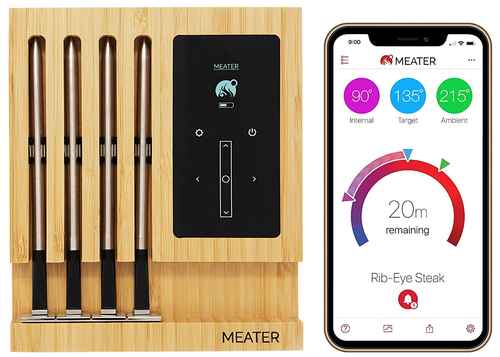
For a 3-4 pound pork shoulder or butt, 8 hours on low is ideal. Leaner cuts, such as a pork loin, may require slightly less time, around 6 hours on low, to prevent drying out. It’s essential to note that slow cookers vary in their heat output, so using a meat thermometer is highly recommended to ensure perfect doneness. Avoid rushing the process; slow cooking is about patience and gentle heat, which allows the meat fibers to relax and soak up flavors fully.
How To Tell If It Is Done
Determining doneness is crucial, as overcooked pork can become dry, while undercooked pork is unsafe to eat. The most reliable method is a meat thermometer:
- Pork roast should reach an internal temperature of 145°F (63°C) for medium-rare to medium, according to USDA guidelines, followed by a rest period of at least 3 minutes.
- For pulled pork style or shreddable roast, aim for 190-200°F (88-93°C), where the connective tissue fully breaks down, making it easy to pull apart with a fork.
Visual and tactile cues are also helpful: the roast should be uniformly pinkish-brown (unless it’s cooked to shreddable tenderness, in which case it should be soft and falling apart). Press lightly on the meat; it should feel tender rather than firm or rubbery.
Ingredients Needed
A successful slow cooker pork roast requires simple yet complementary ingredients:
- Pork roast: 3-4 pounds, such as pork shoulder, butt, or loin
- Salt and pepper: to taste
- Garlic: 3-5 cloves, minced or sliced
- Onion: 1-2 medium, sliced
- Vegetables (optional): carrots, potatoes, or celery
- Liquid: 1 cup chicken broth, apple cider, or a mix of broth and white wine
- Herbs: rosemary, thyme, or sage
- Spices: paprika, cumin, or chili powder for additional flavor
- Optional sweeteners: brown sugar, honey, or maple syrup
The beauty of slow cooking is that flavors meld and intensify over time, so the combination of simple pantry staples and aromatics is usually enough to create a rich, savory dish.
How To Cook Pork Roast In Slow Cooker
- Season the meat: Generously rub salt, pepper, and chosen spices over the pork roast. For deeper flavor, consider marinating overnight.
- Sear the roast (optional but recommended): Heat a skillet with oil over medium-high heat and brown the pork on all sides. This step develops complex flavors through caramelization.
- Prepare the slow cooker: Place sliced onions and garlic at the bottom, along with optional vegetables. Add the liquid of choice.
- Add the roast: Place the seasoned pork on top of the vegetables. Pour any additional liquid or marinade over it.
- Cook low and slow: Cover and cook on low for 6-8 hours, or high for 3-4 hours, until the meat reaches the desired internal temperature.
- Rest and serve: Let the roast rest for 10-15 minutes before slicing or shredding to allow juices to redistribute.
When Things Go Wrong
Even with a slow cooker, issues can arise:
- Dry meat: Likely from insufficient liquid or overcooking. Fix by adding broth during cooking and ensuring proper slow cooker settings.
- Undercooked meat: Usually due to underestimating the size of the roast or uneven heat. Always check with a thermometer.
- Bland flavor: Can be remedied by searing the meat before slow cooking and seasoning liberally. Adding a splash of acid, like vinegar or lemon juice, brightens the dish at the end.
- Burnt vegetables: Place vegetables on the bottom to avoid burning, and ensure enough liquid covers the base.
Expert Tips
- Use a fatty cut for the best texture, as lean cuts tend to dry out faster.
- Searing before slow cooking adds depth through the Maillard reaction.
- Layer flavors: Place onions, garlic, and root vegetables at the bottom to create a natural broth that flavors the meat.
- For shreddable pork, cook longer at low heat rather than increasing temperature.
- Consider a foil tent at the end of cooking to keep the roast warm without drying it out before serving.
Can I Do This Without A Slow Cooker?
Absolutely. A pork roast can also be cooked in the oven or on the stovetop:
- Oven method: Roast at 300°F (150°C) in a covered roasting pan with liquid for 3-5 hours, depending on size, until tender.
- Stovetop braise: Brown the roast in a heavy pot, then cover with liquid and simmer gently for 3-4 hours.
The principles remain the same: low, slow heat and sufficient liquid ensure tenderness.
Reheating Leftovers In Slow Cooker
Reheating pork in a slow cooker preserves moisture and flavor better than a microwave:
- Place leftover pork and any juices in the slow cooker.
- Cover and heat on low for 1-2 hours, stirring occasionally.
- Add a splash of broth if the meat looks dry.
This method gently warms the roast without overcooking or drying it out.
FAQs
What Is The Best Cut Of Pork For Slow Cooking?
The best cuts of pork for slow cooking are pork shoulder (also called pork butt) and pork loin. Pork shoulder is particularly ideal because it has enough fat to stay tender during the long cooking process, whereas pork loin is leaner and can become dry if overcooked.
Do I Need To Brown The Pork Roast Before Slow Cooking?
Browning the pork roast before slow cooking is not strictly necessary, but it does enhance the flavor. Searing the meat in a hot pan before transferring it to the slow cooker adds a caramelized crust that deepens the overall taste of the dish.
What Liquid Should I Add To The Slow Cooker With A Pork Roast?
Typically, you should add at least 1 cup of liquid to your slow cooker to help keep the pork roast moist. Options include broth (chicken, beef, or vegetable), cider, or even water. Adding a bit of apple cider vinegar or wine can also contribute to a richer flavor.
How Long Does It Take To Cook A Pork Roast In A Slow Cooker?
Cooking times for a pork roast in a slow cooker typically range from 6 to 8 hours on low or 4 to 5 hours on high. The exact time can vary based on the size of the roast and the specific slow cooker model, so using a meat thermometer to check for doneness is recommended.
What Temperature Should The Pork Roast Reach When It’s Done?
For a tender and juicy pork roast, the internal temperature should reach 190°F to 200°F if you are slow cooking it to shred. If you prefer the roast to be sliceable, aim for an internal temperature of around 145°F, followed by a 3-minute rest period.
Can I Cook A Frozen Pork Roast In A Slow Cooker?
It is generally not recommended to cook a frozen pork roast directly in the slow cooker due to safety concerns. The meat may not reach a safe cooking temperature quickly enough, which could result in bacterial growth. Thaw the pork roast in the refrigerator before slow cooking.
How Do I Make The Pork Roast Fall-apart Tender In The Slow Cooker?
To achieve a fall-apart tender pork roast, choose a fattier cut like pork shoulder, cook it on low for a longer period (7-8 hours), and ensure there is enough liquid in the slow cooker. You can also shred the meat with forks after it has cooked and allow it to soak in the juices for extra flavor.
Can I Add Vegetables To The Slow Cooker With The Pork Roast?
Yes, vegetables like carrots, potatoes, onions, and celery can be added to the slow cooker with the pork roast. Place the vegetables at the bottom of the slow cooker so they cook evenly. Root vegetables tend to hold up well, but more delicate vegetables like bell peppers should be added later in the cooking process to avoid overcooking.
Can I Cook A Pork Roast In The Slow Cooker Without Any Liquid?
While it’s possible to cook a pork roast without any liquid, it’s not recommended. The liquid helps prevent the meat from drying out and adds flavor. However, if you’re cooking a fatty cut like pork shoulder, the roast may release enough of its own juices to cook the meat without additional liquid.
How Can I Add Flavor To The Pork Roast In The Slow Cooker?
To enhance the flavor of your pork roast, consider adding seasonings like garlic, onions, herbs (such as thyme, rosemary, or bay leaves), and spices like paprika or cumin. You can also marinate the pork overnight or rub it with a spice blend before cooking to infuse extra flavor.