
How To Cook Pork Shoulder Roast In Slow Cooker [GUIDE]
Pork shoulder, often called Boston butt or picnic roast, is a cut renowned for its rich marbling and robust flavor. It’s a versatile piece of meat, ideal for pulled pork, sandwiches, or a hearty family dinner. However, its dense texture and connective tissue require slow, gentle cooking to transform it into tender, juicy perfection. A slow cooker excels at this task, breaking down tough fibers over hours while infusing the meat with aromatic flavors. Cooking pork shoulder in a slow cooker isn’t just convenient-it’s almost foolproof, producing melt-in-your-mouth results with minimal effort. Understanding the timing, technique, and nuances of this method ensures your roast emerges flavorful, succulent, and ready to impress.
Contents
- 1 How Long To Cook Pork Shoulder Roast In Slow Cooker
- 2 How To Tell If It Is Done
- 3 Ingredients Needed
- 4 How To Cook Pork Shoulder Roast In Slow Cooker
- 5 When Things Go Wrong
- 6 Expert Tips
- 7 Can I Do This Without A Slow Cooker?
- 8 Reheating Leftovers In Slow Cooker
- 9 FAQs
- 9.1 What Is The Best Size Of Pork Shoulder Roast For A Slow Cooker?
- 9.2 Should I Sear The Pork Shoulder Before Using A Slow Cooker?
- 9.3 What Liquid Should I Add To The Slow Cooker?
- 9.4 How Long Does It Take To Cook A Pork Shoulder Roast In A Slow Cooker?
- 9.5 What Seasonings Work Best For Slow-cooked Pork Shoulder?
- 9.6 Can I Cook Pork Shoulder In A Slow Cooker Without Liquid?
- 9.7 How Can I Tell When The Pork Shoulder Is Fully Cooked?
- 9.8 Should I Cover The Pork Shoulder With The Lid While Cooking?
- 9.9 Can I Add Vegetables To Cook With The Pork Shoulder?
- 9.10 How Do I Store Leftovers From A Slow-cooked Pork Shoulder?
How Long To Cook Pork Shoulder Roast In Slow Cooker
Timing is critical when cooking pork shoulder in a slow cooker. Unlike leaner cuts, pork shoulder contains ample fat and collagen, which need extended cooking to render and soften. Generally, a 3-5 pound roast will require:
- Low setting: 8-10 hours
- High setting: 4-6 hours
Cooking at a low temperature is preferred, as it allows the fat to slowly melt into the meat, keeping it moist while preventing it from drying out. High heat can work in a pinch, but it risks uneven cooking or slightly tougher meat if the timing isn’t precise. Regardless of the setting, it’s best to start checking doneness toward the lower end of the time range and allow a few extra hours if needed-slow cooking rewards patience.
How To Tell If It Is Done
Determining doneness in pork shoulder goes beyond simply relying on a timer. Key indicators include:
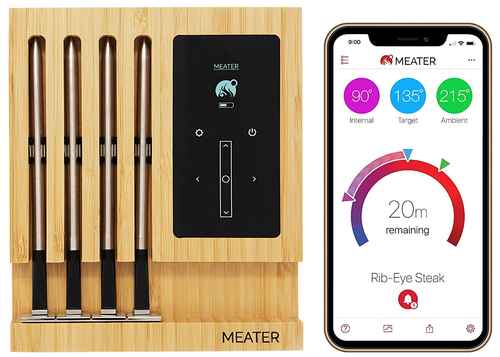
- Internal Temperature: Use a meat thermometer; the internal temperature should reach 195-205°F (90-96°C) for shreddable pulled pork. If you prefer slicing the roast, 185-190°F (85-88°C) is sufficient.
- Texture: The meat should easily pull apart with a fork. If it resists, it needs more time to break down the connective tissue.
- Juices: Juices running from the meat should be clear, not pink, signaling it is fully cooked.
Patience is crucial-overcooking slightly is safer than undercooking, especially when shredding the meat.
Ingredients Needed
To elevate a slow-cooked pork shoulder roast, select ingredients that complement its natural richness:
- Pork Shoulder Roast: 3-5 pounds, bone-in or boneless
- Aromatics: 1-2 onions, sliced; 3-5 garlic cloves, minced
- Liquids: 1 cup of broth, stock, apple cider, or a mix
- Seasonings: Salt, black pepper, smoked paprika, cumin, chili powder, brown sugar
- Optional Additions: Carrots, celery, apples, or a splash of vinegar or Worcestershire sauce for acidity and depth
These ingredients provide a balance of sweetness, acidity, and savory notes, enhancing the pork without overpowering it.
How To Cook Pork Shoulder Roast In Slow Cooker
- Prep the Meat: Pat the pork shoulder dry, then season liberally with salt, pepper, and your preferred spices. For extra flavor, sear the roast in a hot pan for 3-5 minutes per side until browned. This step is optional but adds depth.
- Layer Aromatics: Place onions, garlic, and other vegetables at the bottom of the slow cooker. They act as a natural rack and infuse flavor into the meat.
- Add Liquid: Pour in your choice of liquid-broth, cider, or a blend. You only need enough to cover the bottom of the slow cooker; the pork will release additional juices.
- Cook Low and Slow: Place the pork shoulder on top of the aromatics, cover, and cook on low for 8-10 hours (or high for 4-6 hours).
- Check Doneness: Use a thermometer and fork test as described above. Remove the meat and let it rest 10-15 minutes before shredding or slicing.
- Optional Sauce: Reduce the cooking liquid on the stove or in the slow cooker on high to create a rich, concentrated sauce.
When Things Go Wrong
Even slow cooking isn’t immune to hiccups:
- Dry Meat: Usually caused by too little fat or overcooking. Solution: add a small amount of liquid and cover tightly, letting it sit to rehydrate.
- Undercooked Meat: Simply extend the cooking time, preferably on low. Check every 30-60 minutes.
- Bland Flavor: Add seasoning late in the cooking process or mix in a sauce or glaze during the last hour. Slow cookers can sometimes mute delicate spices.
Anticipating these pitfalls ensures a successful roast every time.
Expert Tips
- Don’t lift the lid too often: Each peek can drop the temperature and extend cooking time.
- Trim excess fat selectively: A little fat is essential for flavor and moisture, but too much can create an overly greasy dish.
- Use a thermometer: It’s the most reliable way to achieve perfect tenderness.
- Layering matters: Place vegetables underneath the roast to elevate it slightly; this prevents the bottom from stewing and allows heat to circulate evenly.
Can I Do This Without A Slow Cooker?
Absolutely. A pork shoulder roast can be cooked in the oven, on the stovetop, or in an Instant Pot:
- Oven: Roast at 275°F (135°C) in a covered Dutch oven for 5-6 hours.
- Stovetop: Simmer gently in a heavy pot with liquid, covered, for 4-6 hours.
- Pressure Cooker/Instant Pot: Reduces cooking time to 60-90 minutes, though the texture may be slightly different than traditional slow cooking.
Each method mimics the slow, moist heat that tenderizes the meat, though the hands-off convenience of a slow cooker is unmatched.
Reheating Leftovers In Slow Cooker
Slow cookers are ideal for gently reheating leftovers without drying them out:
- Place shredded or sliced pork back in the slow cooker.
- Add a splash of broth, juice, or sauce to maintain moisture.
- Heat on low for 1-2 hours or until warmed through, stirring occasionally.
Avoid high heat, which can toughen the meat.
FAQs
What Is The Best Size Of Pork Shoulder Roast For A Slow Cooker?
A pork shoulder roast between 3 to 5 pounds is ideal for most slow cookers. This size allows the meat to cook evenly while leaving enough space for liquid and seasonings to circulate, ensuring a tender and flavorful result.
Should I Sear The Pork Shoulder Before Using A Slow Cooker?
Searing the pork shoulder before slow cooking is optional but recommended. Browning the meat on all sides in a hot skillet adds depth of flavor and creates a richer color, which enhances the final dish without adding significant cooking time.
What Liquid Should I Add To The Slow Cooker?
Common liquids include broth (chicken, beef, or vegetable), apple cider, beer, or a combination of water and seasonings. You need enough liquid to cover the bottom of the slow cooker by at least one inch, as this prevents the meat from drying out while allowing it to braise properly.
How Long Does It Take To Cook A Pork Shoulder Roast In A Slow Cooker?
Cooking times vary based on roast size and slow cooker settings. On low heat, a 3-5 pound roast typically requires 8-10 hours. On high heat, it may take 4-6 hours. The meat is done when it reaches an internal temperature of 195-205°F and is tender enough to shred easily.
What Seasonings Work Best For Slow-cooked Pork Shoulder?
A combination of salt, black pepper, garlic, onion powder, paprika, and dried herbs like thyme or rosemary works well. For a sweeter flavor profile, you can add brown sugar or maple syrup. Adjust seasonings according to personal taste and cooking style.
Can I Cook Pork Shoulder In A Slow Cooker Without Liquid?
While it is possible to cook a pork shoulder without liquid, it is not recommended. Slow cookers rely on moisture to generate steam and evenly cook the meat. Without liquid, the roast may become dry and tough, especially over long cooking periods.
How Can I Tell When The Pork Shoulder Is Fully Cooked?
The pork is fully cooked when the internal temperature reaches 195-205°F, and the meat easily pulls apart with a fork. Using a meat thermometer is the most reliable way to ensure doneness while preventing overcooking.
Should I Cover The Pork Shoulder With The Lid While Cooking?
Yes, keeping the lid on throughout cooking is essential. Lifting the lid frequently releases heat and steam, which extends cooking time and may result in a less tender roast. Only remove the lid in the last 15-30 minutes if you want to thicken a sauce or glaze.
Can I Add Vegetables To Cook With The Pork Shoulder?
Yes, root vegetables such as carrots, potatoes, and onions can be added. Place them at the bottom of the slow cooker to ensure they cook evenly and absorb the flavors from the pork and cooking liquid. Softer vegetables, like zucchini, should be added later in the cooking process.
How Do I Store Leftovers From A Slow-cooked Pork Shoulder?
Cool the meat to room temperature, then store it in an airtight container in the refrigerator for up to 4 days. For longer storage, freeze shredded or sliced pork in freezer-safe bags or containers for up to 3 months. Reheat gently to maintain moisture and flavor.