
How To Cook Pork Steaks In Slow Cooker [GUIDE]
Pork steaks are a versatile and flavorful cut of meat that can transform a simple meal into a rich, satisfying experience. Taken from the shoulder or blade section of the pig, these steaks are well-marbled with fat, which means they have incredible potential for tenderness and flavor when cooked slowly. Unlike leaner cuts, pork steaks benefit greatly from slow, gentle cooking that allows the connective tissue to break down, resulting in a melt-in-your-mouth texture that is impossible to achieve through quick high-heat methods like grilling or pan-searing alone.
A slow cooker is an ideal tool for this process. Its low-and-slow approach evenly tenderizes the meat, infuses it with sauces or marinades, and allows you to multitask while the flavors develop. Whether you’re aiming for a classic barbecue-style pork steak, a savory herb-roasted version, or an experimental Asian-inspired dish, mastering the slow cooker technique can elevate your pork steaks from ordinary to extraordinary.
Contents


- 1 How Long To Cook Pork Steaks In Slow Cooker
- 2 How To Tell If It Is Done
- 3 Ingredients Needed
- 4 How To Cook Pork Steaks In Slow Cooker
- 5 When Things Go Wrong
- 6 Expert Tips
- 7 Can I Do This Without A Slow Cooker?
- 8 Reheating Leftovers In Slow Cooker
- 9 FAQs
- 9.1 What Cut Of Pork Is Best For Slow Cooker Pork Steaks?
- 9.2 Do I Need To Sear Pork Steaks Before Putting Them In The Slow Cooker?
- 9.3 What Is The Ideal Cooking Time For Pork Steaks In A Slow Cooker?
- 9.4 What Liquid Should I Use When Slow Cooking Pork Steaks?
- 9.5 Can I Cook Frozen Pork Steaks In A Slow Cooker?
- 9.6 How Can I Make My Slow-cooked Pork Steaks More Flavorful?
- 9.7 Should I Cover The Slow Cooker When Cooking Pork Steaks?
- 9.8 How Do I Know When Pork Steaks Are Done In A Slow Cooker?
- 9.9 Can I Add Vegetables To Slow-cooked Pork Steaks?
- 9.10 How Should I Store Leftovers Of Slow-cooked Pork Steaks?
How Long To Cook Pork Steaks In Slow Cooker
Cooking times can vary depending on the thickness of your pork steaks, the specific model of your slow cooker, and whether you’re cooking on low or high heat. As a general guideline:
- Low Setting: 6 to 8 hours. This is ideal for maximum tenderness, allowing the connective tissue to fully break down.
- High Setting: 3 to 4 hours. Suitable if you need to speed up the process, but the meat may not be as fall-apart tender as the low-and-slow method.
It’s important to note that overly thick steaks or those with a lot of connective tissue may require additional cooking time, while thinner cuts may cook faster. Always plan on checking the internal temperature and texture rather than relying solely on the clock.
How To Tell If It Is Done
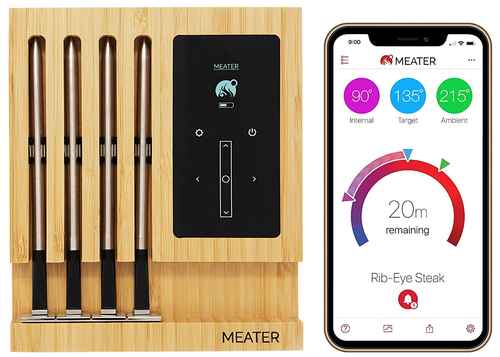
The most reliable method for determining doneness is using a meat thermometer. Pork should reach a safe internal temperature of 145°F (63°C) for medium-rare to medium, followed by a three-minute rest. For slow-cooked pork steaks, however, achieving an internal temperature closer to 190-200°F (88-93°C) is often ideal if you want it extremely tender and shreddable, as the higher temperature allows the connective tissue to fully dissolve.
Other indicators of doneness include:
- Texture: The meat should be soft and easily pulled apart with a fork.
- Juices: Clear juices indicate it is cooked through, while pink or red juices may require more cooking.
- Appearance: The surface should have a rich, even color, absorbing the sauce or seasoning you’ve used.
Ingredients Needed
To cook delicious slow cooker pork steaks, you’ll need a few essential ingredients:
- Pork steaks – ideally ¾ to 1-inch thick, bone-in or boneless
- Seasonings – salt, pepper, garlic powder, onion powder, paprika, or any preferred spice rub
- Liquid – chicken broth, apple juice, barbecue sauce, or a combination
- Optional aromatics – sliced onions, garlic cloves, or fresh herbs like thyme or rosemary
- Optional vegetables – potatoes, carrots, bell peppers for a one-pot meal
The beauty of slow cooker recipes is flexibility; you can customize flavors to suit your personal taste or experiment with different cuisines.
How To Cook Pork Steaks In Slow Cooker
- Prepare the meat: Pat the pork steaks dry with paper towels. Season both sides generously with salt, pepper, and any other preferred spices. Optional: Sear them in a hot skillet for 1-2 minutes per side to develop a caramelized crust.
- Add aromatics and liquid: Place the steaks in the slow cooker. Surround with sliced onions, garlic, or vegetables. Pour in your chosen liquid, ensuring it comes up about halfway up the sides of the steaks.
- Cook: Cover and set your slow cooker on low for 6-8 hours or high for 3-4 hours. Avoid removing the lid frequently, as this lets heat escape and extends cooking time.
- Check for doneness: Use a meat thermometer or fork to test the tenderness. If using sauces, you can thicken them by removing the meat and simmering the liquid on the stovetop for a few minutes.
- Serve: Transfer the pork steaks to a plate, spoon over the sauce, and garnish with fresh herbs if desired.
When Things Go Wrong
Even in a slow cooker, things can go awry:
- Meat is tough: Likely undercooked or cooked on high too quickly. Extend the cooking time, especially on low heat.
- Meat is dry: Could be overcooked or lacking sufficient liquid. Try adding more broth or sauce next time.
- Sauce is too thin: Remove the meat and simmer the sauce on high heat on the stovetop to reduce it, or mix in a slurry of cornstarch and water.
- Flavor is bland: Check seasoning before cooking. Adding aromatics, acids (like vinegar or lemon juice), or a touch of sweetness can balance flavors.
Expert Tips
- Layer wisely: Place vegetables at the bottom; meat on top allows even cooking.
- Avoid overcrowding: Slow cookers need space for heat circulation.
- Use bone-in steaks: They often retain more flavor and moisture.
- Marinate for more flavor: Even an hour of marinade can enhance the taste.
- Finish under a broiler (optional): For a caramelized crust, broil the steaks for 2-3 minutes after slow cooking.
Can I Do This Without A Slow Cooker?
Yes. A Dutch oven or heavy-bottomed pot works well in the oven or on the stovetop:
- Oven method: Preheat to 300°F (150°C). Brown the pork steaks, add liquid, cover, and bake 2-3 hours until tender.
- Stovetop method: Brown meat, add liquid, cover, and simmer on low heat 2-3 hours, checking occasionally.
While these methods replicate slow cooking, the convenience of a slow cooker-set it and forget it-is hard to beat.
Reheating Leftovers In Slow Cooker
Slow cookers can gently reheat leftovers without drying them out:
- Place pork steaks and sauce in the slow cooker.
- Set on low for 1-2 hours, stirring occasionally.
- Check internal temperature reaches 165°F (74°C) for safe consumption.
Avoid high heat, which can overcook the meat and make it tough.
FAQs
What Cut Of Pork Is Best For Slow Cooker Pork Steaks?
Pork shoulder (also known as pork butt) and pork loin steaks are ideal for slow cooking. Pork shoulder has more marbling and connective tissue, which breaks down during long cooking to create tender, flavorful meat, while loin steaks are leaner but require careful timing to avoid dryness.
Do I Need To Sear Pork Steaks Before Putting Them In The Slow Cooker?
Searing is optional but recommended. Browning the pork steaks in a hot skillet before slow cooking adds depth of flavor through the Maillard reaction. However, if you’re short on time, you can skip this step and still get a tasty result.
What Is The Ideal Cooking Time For Pork Steaks In A Slow Cooker?
Cooking times vary by thickness and slow cooker type. Generally, cook on low for 6-8 hours or on high for 3-4 hours. Pork shoulder steaks benefit from the longer low-heat cooking to become tender and easy to shred.
What Liquid Should I Use When Slow Cooking Pork Steaks?
Use liquids that enhance flavor and maintain moisture. Options include broth, apple cider, barbecue sauce, tomato sauce, or a combination of these. The liquid should cover at least one-third of the pork steaks to prevent drying.
Can I Cook Frozen Pork Steaks In A Slow Cooker?
It is not recommended to cook frozen pork in a slow cooker. Slow cookers heat gradually, and cooking from frozen can leave meat in the danger zone for bacterial growth. Thaw the pork in the refrigerator before slow cooking.
How Can I Make My Slow-cooked Pork Steaks More Flavorful?
Enhance flavor by marinating the pork before cooking, adding aromatics like garlic, onions, and herbs, and including flavorful liquids such as broth, wine, or sauces. Layering spices and herbs both on the meat and in the cooking liquid helps develop rich flavors.
Should I Cover The Slow Cooker When Cooking Pork Steaks?
Yes, always cook with the lid on. Covering the slow cooker traps steam and heat, ensuring even cooking and keeping the pork tender and juicy.
How Do I Know When Pork Steaks Are Done In A Slow Cooker?
Pork steaks are done when they reach an internal temperature of 145°F (63°C) and are tender enough to pull apart easily with a fork. For slow-cooked pork shoulder, cooking until very tender often makes it easy to shred.
Can I Add Vegetables To Slow-cooked Pork Steaks?
Yes, root vegetables like carrots, potatoes, and parsnips, as well as onions and bell peppers, cook well alongside pork. Add vegetables at the start for slow-cooked meals, or for softer vegetables like zucchini, add them in the last hour of cooking.
How Should I Store Leftovers Of Slow-cooked Pork Steaks?
Store leftovers in airtight containers in the refrigerator for up to 3-4 days. For longer storage, freeze cooked pork steaks in freezer-safe bags or containers for up to 2-3 months. Reheat gently to maintain moisture and tenderness.