
How To Cook Pot Roast In Slow Cooker [GUIDE]
Pot roast is one of those timeless dishes that embodies comfort, warmth, and a sense of home. Its appeal lies not just in the tenderness of the meat but in the deep, rich flavors that develop over slow, patient cooking. Traditionally a braised dish, pot roast can transform a humble cut of beef into a succulent centerpiece for any meal. The slow cooker, with its set-it-and-forget-it convenience, has made this classic dish accessible even to those with busy schedules. By gently simmering the meat alongside vegetables and aromatics, a slow cooker ensures a melt-in-your-mouth texture and a savory depth of flavor that’s hard to replicate with quick cooking methods. Understanding the nuances of timing, temperature, and ingredient selection is key to achieving the perfect pot roast every time.
Contents
- 1 How Long To Cook Pot Roast In Slow Cooker
- 2 How To Tell If It Is Done
- 3 Ingredients Needed
- 4 How To Cook Pot Roast In Slow Cooker
- 5 When Things Go Wrong
- 6 Expert Tips
- 7 Can I Do This Without A Slow Cooker?
- 8 Reheating Leftovers In Slow Cooker
- 9 FAQs
- 9.1 What Type Of Meat Is Best For Cooking Pot Roast In A Slow Cooker?
- 9.2 How Long Does It Take To Cook A Pot Roast In A Slow Cooker?
- 9.3 Should I Sear The Pot Roast Before Placing It In The Slow Cooker?
- 9.4 Can I Add Vegetables To The Pot Roast In The Slow Cooker?
- 9.5 What Liquid Should I Use To Cook Pot Roast In A Slow Cooker?
- 9.6 How Do I Know When My Pot Roast Is Done In The Slow Cooker?
- 9.7 Can I Cook A Frozen Pot Roast In A Slow Cooker?
- 9.8 What Seasonings Should I Use For Pot Roast In A Slow Cooker?
- 9.9 Can I Cook A Pot Roast In A Slow Cooker Without Using Any Liquid?
- 9.10 How Can I Thicken The Gravy Or Sauce From A Pot Roast Cooked In A Slow Cooker?
How Long To Cook Pot Roast In Slow Cooker
Timing is crucial when it comes to slow cooker pot roast, and the cooking duration can vary depending on the cut of beef, its size, and the specific slow cooker model. Typically, a 3-4 pound chuck roast requires:
- Low setting: 8-10 hours. Cooking on low allows the connective tissues in the meat to break down gradually, resulting in a tender, juicy roast that practically falls apart at the touch of a fork.
- High setting: 4-6 hours. Faster cooking on high is possible, but it can be riskier, as insufficient cooking time may leave the meat slightly tough in the center.
The rule of thumb is that slower, lower heat is almost always better for tougher cuts of beef. Additionally, adding vegetables early in the cooking process is acceptable, but root vegetables like carrots and potatoes will maintain their shape better if added midway through cooking to avoid becoming mushy.
How To Tell If It Is Done
Unlike oven roasting, slow cooker recipes require a more tactile and observational approach to know when the roast is done. Key indicators include:
- Fork test: Insert a fork into the thickest part of the roast and twist gently. If it separates easily into strands, it’s done. Resistance indicates it needs more time.
- Internal temperature: For safety and quality, the roast should reach at least 145°F internally, but for that ’fall-apart’ texture, 190-205°F is ideal.
- Juice clarity: When pierced, the juices should run clear, not pink or bloody. Cloudy or reddish juices suggest undercooking.
The combination of these signs ensures you don’t just rely on time but on the actual readiness of the meat.
Ingredients Needed
To create a classic slow-cooked pot roast, the ingredients are straightforward but essential for flavor layering:
- Beef chuck roast (3-4 pounds, well-marbled)
- Vegetables: carrots, potatoes, onions, celery
- Aromatics: garlic cloves, fresh herbs (thyme, rosemary)
- Liquid base: beef broth, optionally combined with red wine for depth
- Seasonings: salt, black pepper, paprika, and optionally Worcestershire sauce or soy sauce
- Thickening agent (optional): flour or cornstarch to create a gravy from the cooking juices
The quality of each ingredient affects the final dish, particularly the marbling in the meat and the freshness of the vegetables and herbs.
How To Cook Pot Roast In Slow Cooker
- Prepare the meat: Pat the roast dry and season generously with salt, pepper, and optional paprika. Browning the meat in a hot skillet with oil for 3-5 minutes per side enhances flavor through caramelization.
- Layer ingredients: Place root vegetables in the slow cooker as a base, followed by the browned roast on top. Add onions, garlic, and herbs.
- Add liquid: Pour in beef broth or a mixture of broth and wine, ensuring it covers at least one-third of the roast.
- Cook slowly: Set the slow cooker to low and cook for 8-10 hours (or high for 4-6 hours). Avoid lifting the lid during cooking to maintain steady heat.
- Finish and rest: Once cooked, remove the roast and vegetables, tent with foil, and let it rest for 10-15 minutes before slicing or shredding. Use the remaining liquid to create a rich gravy if desired.
When Things Go Wrong
Even slow cooking can have pitfalls:
- Tough meat: Usually from undercooking. Extend cooking time and check periodically.
- Mushy vegetables: Often caused by adding them too early or using very soft varieties. Add them later or cut larger chunks.
- Watery sauce: Too much liquid or lack of thickening. Reduce the liquid on the stove or whisk in a cornstarch slurry to achieve desired consistency.
- Lack of flavor: Skipping the browning step or under-seasoning can lead to bland results. Always season in layers.
Awareness of these common issues can prevent a disappointing meal.
Expert Tips
- Browning is worth it: It adds depth through the Maillard reaction, even if it’s an extra step.
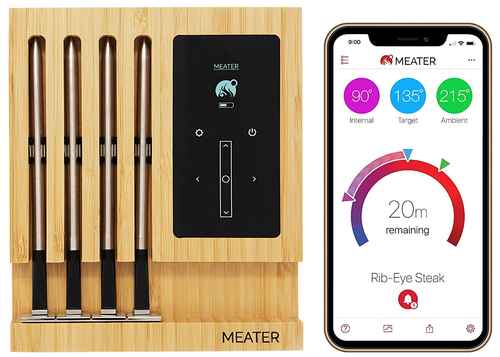
- Use a meat thermometer: Guarantees perfect doneness and prevents overcooking.
- Cut uniform vegetable sizes: Ensures even cooking.
- Rest the meat: Retains juices and prevents a dry roast.
- Layer flavors: Add herbs and aromatics at different stages for a more complex taste.
Can I Do This Without A Slow Cooker?
Yes, a pot roast can be cooked on the stovetop or in the oven. Braising in a heavy Dutch oven is the most effective alternative:
- Oven method: Preheat to 325°F, sear the roast, add liquid and aromatics, cover tightly, and cook 3-4 hours until tender.
- Stovetop method: Simmer gently over low heat in a heavy pot, maintaining a consistent low temperature for 3-4 hours.
Both methods mimic slow cooker results but require closer attention to prevent evaporation and burning.
Reheating Leftovers In Slow Cooker
Reheating pot roast in a slow cooker preserves tenderness and flavor. Steps:
- Place the meat and vegetables back in the slow cooker.
- Add a splash of broth or water to prevent drying.
- Heat on low for 2-3 hours or high for 1-2 hours until warmed through.
- Avoid microwaving large chunks, as this can toughen the meat.
This method gently restores the dish to near-fresh quality without overcooking.
FAQs
What Type Of Meat Is Best For Cooking Pot Roast In A Slow Cooker?
The best cuts of meat for pot roast are those that are well-marbled with fat and have a good amount of connective tissue. Common choices include chuck roast, round roast, and brisket. Chuck roast is particularly favored for its tenderness and flavor when cooked low and slow in a slow cooker.
How Long Does It Take To Cook A Pot Roast In A Slow Cooker?
Cooking a pot roast in a slow cooker typically takes between 6 to 8 hours on low or 3 to 4 hours on high. The exact time may vary depending on the size of the roast and the specific slow cooker model used.
Should I Sear The Pot Roast Before Placing It In The Slow Cooker?
While searing the pot roast is optional, it is highly recommended. Searing the meat before slow cooking helps develop a rich, browned flavor and improves the overall texture. Sear the roast in a hot pan with a bit of oil until all sides are brown, then transfer it to the slow cooker.
Can I Add Vegetables To The Pot Roast In The Slow Cooker?
Yes, vegetables such as carrots, potatoes, onions, and celery can be added to the slow cooker with the pot roast. Place root vegetables like potatoes and carrots at the bottom of the cooker since they take longer to cook than the meat.
What Liquid Should I Use To Cook Pot Roast In A Slow Cooker?
The best liquids for cooking pot roast in a slow cooker include beef broth, stock, or even wine. You can also add a combination of these liquids for enhanced flavor. Aim for about 1 to 2 cups of liquid to keep the meat moist and tender without submerging it entirely.
How Do I Know When My Pot Roast Is Done In The Slow Cooker?
The pot roast is done when it is fork-tender, meaning you can easily shred the meat with a fork. If you can pull the meat apart without resistance, it’s ready. You can also check the internal temperature, which should be around 195°F to 205°F for optimal tenderness.
Can I Cook A Frozen Pot Roast In A Slow Cooker?
It is not recommended to cook a frozen pot roast in a slow cooker because it may not cook evenly, and there’s a risk of bacterial growth. For best results, thaw the roast in the refrigerator overnight before cooking.
What Seasonings Should I Use For Pot Roast In A Slow Cooker?
Common seasonings for pot roast include garlic, onion, thyme, rosemary, bay leaves, salt, and pepper. You can also add a packet of onion soup mix or use other herbs and spices based on your personal preference.
Can I Cook A Pot Roast In A Slow Cooker Without Using Any Liquid?
While it’s possible to cook a pot roast with minimal liquid, it’s not ideal. Some liquid is necessary to prevent the meat from drying out and to create a flavorful base for the sauce. A small amount of broth, water, or even a bit of tomato paste is usually sufficient.
How Can I Thicken The Gravy Or Sauce From A Pot Roast Cooked In A Slow Cooker?
To thicken the sauce or gravy from a pot roast, you can create a slurry by mixing equal parts of cornstarch or flour with water, then stir it into the slow cooker liquid. Let it cook for another 20-30 minutes on high to allow the sauce to thicken. Alternatively, you can remove some of the liquid and reduce it on the stovetop.