
How To Cook Raw Chicken Curry In Slow Cooker [GUIDE]
Chicken curry is a culinary classic that blends rich, aromatic spices with tender, juicy chicken to create a dish that is both comforting and complex. While traditional methods of cooking chicken curry on the stovetop require careful timing and constant attention, a slow cooker transforms the process into a nearly effortless endeavor. By using low and slow heat, the flavors have time to meld, the chicken becomes tender beyond compare, and the risk of overcooking diminishes significantly. A slow cooker not only simplifies the cooking process but also enhances the depth and richness of the curry, making it an indispensable tool for busy home cooks and flavor enthusiasts alike. Whether you’re craving a weeknight dinner with minimal prep or aiming to impress guests with a dish that tastes like it simmered for hours, slow-cooked chicken curry delivers on all fronts.
Contents
- 1 How Long To Cook Raw Chicken Curry In Slow Cooker
- 2 How To Tell If It Is Done
- 3 Ingredients Needed
- 4 How To Cook Raw Chicken Curry In Slow Cooker
- 5 When Things Go Wrong
- 6 Expert Tips
- 7 Can I Do This Without A Slow Cooker?
- 8 Reheating Leftovers In Slow Cooker
- 9 FAQs
- 9.1 Can I Cook Raw Chicken Directly In A Slow Cooker For Curry?
- 9.2 What Type Of Chicken Is Best For Slow Cooker Curry?
- 9.3 Do I Need To Brown The Chicken Before Adding It To The Slow Cooker?
- 9.4 How Long Should I Cook Chicken Curry In A Slow Cooker?
- 9.5 What Vegetables Can I Add To Slow Cooker Chicken Curry?
- 9.6 How Do I Prevent The Curry From Becoming Too Watery?
- 9.7 Can I Use Pre-made Curry Paste In A Slow Cooker?
- 9.8 Should I Add Dairy Or Coconut Milk At The Beginning Or End?
- 9.9 How Can I Enhance The Flavor Of Slow Cooker Chicken Curry?
- 9.10 Is It Safe To Cook Frozen Chicken In A Slow Cooker For Curry?
How Long To Cook Raw Chicken Curry In Slow Cooker
Timing is crucial when cooking chicken curry in a slow cooker, and it varies depending on the temperature setting and size of your chicken pieces. On the low setting, raw chicken generally needs 6 to 8 hours to cook fully, allowing flavors to deepen and the meat to become tender. On the high setting, the process speeds up considerably, requiring roughly 3 to 4 hours.
It’s important to note that larger chicken pieces, such as bone-in thighs or whole breasts, may need the longer end of the spectrum, while smaller, boneless cuts will cook faster. The beauty of slow cooking lies in its flexibility: unlike stovetop methods, where precise timing is crucial to avoid dryness, the slow cooker tolerates a bit of leeway without compromising the dish’s quality.
How To Tell If It Is Done
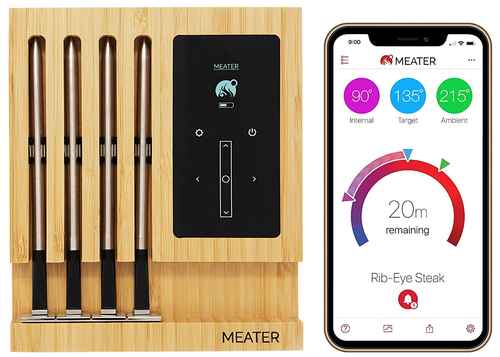
Determining doneness goes beyond simply checking the clock. Chicken is fully cooked when it reaches an internal temperature of 165°F (74°C), verified using a digital meat thermometer inserted into the thickest part of the meat without touching the bone. Visually, cooked chicken should be opaque and tender, easily shredding with a fork. The curry sauce should be rich, slightly thickened, and infused with the aroma of the spices used. If the chicken is still pink in the center or the juices are not clear, it requires additional cooking.
A slow cooker can sometimes give the illusion that meat is done because the sauce is bubbling, but relying solely on visual cues can be misleading. A thermometer is the most reliable way to ensure food safety without sacrificing taste.
Ingredients Needed
Creating a slow-cooked chicken curry requires a balance of protein, aromatics, spices, and liquids. The following are standard ingredients, though variations exist based on regional preferences:
- Chicken: 2-3 pounds, preferably boneless thighs for maximum tenderness; breast meat works but can dry out if overcooked.
- Onion: 1 large, finely chopped, providing sweetness and body.
- Garlic & Ginger: 3-4 cloves garlic and 1-inch ginger, minced, for that characteristic pungent aroma.
- Spices: 2 tsp curry powder or garam masala, 1 tsp turmeric, 1 tsp cumin, 1 tsp coriander, optional chili powder for heat.
- Tomatoes: 1 can (14 oz) crushed or diced, or fresh equivalent, forming the sauce base.
- Coconut Milk or Yogurt: 1 cup, for creaminess and depth.
- Salt and Pepper: To taste.
- Vegetables (Optional): Potatoes, bell peppers, peas, or carrots can be added for texture and nutritional boost.
- Fresh Herbs: Cilantro or fenugreek leaves for garnish.
How To Cook Raw Chicken Curry In Slow Cooker
- Prep the Ingredients: Chop onions, mince garlic and ginger, and measure out your spices.
- Sauté (Optional): Lightly sauté onions, garlic, and ginger in a skillet until golden. This step is optional but deepens flavor.
- Layer in Slow Cooker: Place chicken pieces at the bottom, followed by the sautéed aromatics, tomatoes, spices, and vegetables. Pour coconut milk or yogurt over the top.
- Cook: Cover and set the slow cooker on low for 6-8 hours or high for 3-4 hours.
- Check Seasoning: About 30 minutes before serving, taste and adjust salt, pepper, and spice levels.
- Finish: Garnish with fresh cilantro and serve with rice or flatbreads.
When Things Go Wrong
Even with the forgiving nature of slow cookers, mistakes happen. Common issues include:
- Dry or stringy chicken: Likely overcooked; next time, reduce cooking time or use boneless thighs.
- Thin curry sauce: Add a slurry of cornstarch and water or simmer on high for 15-20 minutes uncovered to thicken.
- Bland flavor: Spices can lose potency during long cooking; boost flavor with a final addition of fresh herbs, garam masala, or a squeeze of lemon juice before serving.
Expert Tips
- Brown the chicken first for added depth and color.
- Avoid lifting the lid frequently; each lift drops the temperature significantly, prolonging cooking time.
- Use bone-in thighs for more flavor and moisture.
- Consider adding delicate ingredients like peas, spinach, or cream in the last 30 minutes to preserve texture.
- Taste and adjust seasoning at the end-slow cooking can mellow spices, so a final flavor boost is often needed.
Can I Do This Without A Slow Cooker?
Yes, but you’ll need to adapt the method:
- Stovetop: Simmer on low heat for 45-60 minutes, stirring occasionally.
- Oven: Cover a Dutch oven with chicken curry and bake at 325°F (160°C) for 1-1.5 hours.
- Instant Pot/Pressure Cooker: Use the poultry setting or manual high pressure for 10-15 minutes, then allow natural release.
While these alternatives work, the unique texture and melded flavors of slow cooking are harder to replicate exactly.
Reheating Leftovers In Slow Cooker
Leftovers can be safely reheated in the slow cooker. Transfer the curry to the slow cooker, cover, and heat on low for 1-2 hours, stirring occasionally until piping hot. Avoid reheating multiple times, as this can compromise both flavor and food safety. Leftovers can also be reheated on the stovetop over low-medium heat, stirring frequently.
FAQs
Can I Cook Raw Chicken Directly In A Slow Cooker For Curry?
Yes, you can cook raw chicken directly in a slow cooker. Ensure you add enough liquid, such as broth, coconut milk, or water, to cover the chicken partially and allow even cooking. The slow cooking process will fully cook the chicken and infuse it with the curry flavors.
What Type Of Chicken Is Best For Slow Cooker Curry?
Bone-in, skinless chicken thighs are ideal for slow cooker curry because they remain moist and tender. Chicken breasts can also be used, but they may become dry if cooked for too long.
Do I Need To Brown The Chicken Before Adding It To The Slow Cooker?
Browning the chicken is optional but recommended. Searing the chicken first enhances the flavor and adds depth to the curry. However, you can skip this step if you prefer a simpler preparation.
How Long Should I Cook Chicken Curry In A Slow Cooker?
Cooking time depends on the heat setting: 4-5 hours on high or 6-8 hours on low. Ensure the internal temperature of the chicken reaches at least 165°F (74°C) for safe consumption.
What Vegetables Can I Add To Slow Cooker Chicken Curry?
Common vegetables include onions, bell peppers, carrots, potatoes, and peas. Add hard vegetables like carrots and potatoes at the beginning, while softer vegetables such as peas or bell peppers can be added in the last hour of cooking to prevent overcooking.
How Do I Prevent The Curry From Becoming Too Watery?
To prevent excess liquid, avoid adding too much broth or water. You can also thicken the curry by removing the lid during the last 30 minutes of cooking, adding coconut milk, or mixing in a cornstarch or flour slurry.
Can I Use Pre-made Curry Paste In A Slow Cooker?
Yes, pre-made curry paste is convenient and works well in slow cooker recipes. Adjust the quantity according to taste, as slow cooking may mellow the flavors slightly.
Should I Add Dairy Or Coconut Milk At The Beginning Or End?
Coconut milk or cream should be added during the last 30-60 minutes of cooking to prevent curdling. Dairy like yogurt should also be stirred in at the end on low heat.
How Can I Enhance The Flavor Of Slow Cooker Chicken Curry?
Use fresh spices, aromatics like garlic and ginger, and sauté onions before adding them. Adding a squeeze of lemon juice or a small amount of sugar before serving can also balance the flavors.
Is It Safe To Cook Frozen Chicken In A Slow Cooker For Curry?
It is generally not recommended to cook frozen chicken in a slow cooker because it may stay in the temperature ’danger zone’ too long, increasing the risk of bacterial growth. Always thaw chicken before slow cooking.