
How To Cook Ribeye Roast In Slow Cooker [GUIDE]
The ribeye roast, often celebrated for its marbling and rich, beefy flavor, is one of the most indulgent cuts you can prepare at home. Unlike leaner cuts, the ribeye boasts fat marbling throughout, which melts during cooking, keeping the meat tender, juicy, and bursting with flavor. While oven roasting has long been the traditional method for preparing ribeye, using a slow cooker offers an unparalleled convenience without sacrificing taste. With low, consistent heat, the slow cooker allows the fat to render perfectly, the connective tissue to soften, and the flavors of herbs and seasonings to meld into the meat, creating a melt-in-your-mouth experience that rivals even professional-grade roasts. Whether you are a seasoned cook or a culinary novice, slow-cooking a ribeye roast can deliver a restaurant-quality meal with minimal effort and maximum satisfaction.
Contents
- 1 How Long To Cook Ribeye Roast In Slow Cooker
- 2 How To Tell If It Is Done
- 3 Ingredients Needed
- 4 How To Cook Ribeye Roast In Slow Cooker
- 5 When Things Go Wrong
- 6 Expert Tips
- 7 Can I Do This Without A Slow Cooker?
- 8 Reheating Leftovers In Slow Cooker
- 9 FAQs
- 9.1 What Is The Best Cut Of Ribeye Roast For Slow Cooking?
- 9.2 Do I Need To Sear The Ribeye Roast Before Placing It In The Slow Cooker?
- 9.3 What Is The Ideal Temperature And Cooking Time For A Ribeye Roast In A Slow Cooker?
- 9.4 Should I Add Liquid To The Slow Cooker When Cooking A Ribeye Roast?
- 9.5 What Vegetables Go Well With A Ribeye Roast In The Slow Cooker?
- 9.6 How Can I Ensure My Ribeye Roast Is Tender And Juicy?
- 9.7 Can I Use A Frozen Ribeye Roast In The Slow Cooker?
- 9.8 How Do I Make A Flavorful Sauce Or Gravy From The Slow Cooker Drippings?
- 9.9 Can I Add Seasonings And Herbs Directly To The Slow Cooker?
- 9.10 How Should I Store Leftover Ribeye Roast Cooked In A Slow Cooker?
How Long To Cook Ribeye Roast In Slow Cooker
Cooking a ribeye roast in a slow cooker is all about patience and low, steady heat. The cooking time depends on the size of your roast and the desired doneness. As a general guideline:
-
3-4 Pounds Roast
- Low setting: 6-8 hours
- High setting: 4-5 hours
-
5-6 Pounds Roast
- Low setting: 8-10 hours
- High setting: 5-6 hours
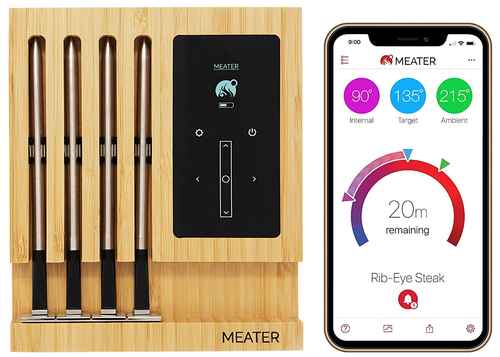
Slow cookers vary in heat output, so these times are approximate. It is crucial to resist the temptation to lift the lid frequently; every lift can significantly lower the internal temperature and prolong cooking. Using a meat thermometer ensures precision and prevents overcooking.
How To Tell If It Is Done
Determining doneness in a slow-cooked ribeye roast is less about surface appearance and more about internal temperature and texture:
- Rare: 120-125°F (49-52°C)
- Medium-rare: 130-135°F (54-57°C)
- Medium: 140-145°F (60-63°C)
- Medium-well: 150-155°F (66-68°C)
- Well done: 160°F+ (71°C+)
For a slow-cooked ribeye, medium-rare to medium is often ideal, as the prolonged cooking can break down the fat and connective tissue, making even these slightly higher temperatures surprisingly tender. Insert a digital meat thermometer into the thickest part of the roast for an accurate reading. Additionally, the meat should feel tender when gently pressed; a slow-cooked ribeye will almost fall apart, offering resistance but no toughness.
Ingredients Needed
To create a perfectly slow-cooked ribeye roast, you’ll need:
- Ribeye roast: 3-6 pounds, ideally bone-in for added flavor
- Salt and pepper: Generously, to enhance natural beef flavor
- Garlic: 4-6 cloves, minced or sliced
- Onion: 1 large, sliced or chopped
- Fresh herbs: Rosemary, thyme, or sage
- Beef broth or stock: 1-2 cups, to keep the meat moist and add depth
- Optional vegetables: Carrots, potatoes, and celery for a one-pot meal
- Olive oil or butter: For searing (optional but recommended)
These ingredients create a fragrant, flavorful environment inside the slow cooker that complements the richness of the ribeye rather than overwhelming it.
How To Cook Ribeye Roast In Slow Cooker
- Prepare the meat: Remove the ribeye roast from the refrigerator 30-60 minutes before cooking to bring it to room temperature. This ensures even cooking.
- Season generously: Rub the roast with salt, pepper, garlic, and herbs. Optionally, sear the roast in a hot skillet with olive oil for 2-3 minutes per side to create a caramelized crust.
- Add aromatics: Place onions, garlic, and optional vegetables at the bottom of the slow cooker. This acts as a natural ’rack’ for the meat and infuses flavors into the roast.
- Add liquid: Pour beef broth or stock around, not over, the roast. The liquid will help keep the slow cooker moist and create a natural jus.
- Cook low and slow: Place the roast in the slow cooker and cook on low for 6-10 hours, depending on size and desired doneness. Avoid opening the lid unnecessarily.
- Rest before slicing: Once cooked, remove the roast and let it rest for 15-20 minutes before carving. This allows the juices to redistribute and results in a juicier slice.
When Things Go Wrong
Even with the forgiving nature of slow cookers, mistakes happen:
- Overcooked meat: If the roast becomes stringy or dry, slice thinly and serve with the cooking juices or gravy to add moisture.
- Undercooked center: Return the roast to the slow cooker with added liquid and continue cooking on low until the internal temperature is correct.
- Too much liquid: Slow cookers don’t allow evaporation like ovens, so reduce initial liquid quantities. Too much broth can dilute flavor.
Understanding these pitfalls allows you to adapt and salvage the dish without losing its rich, indulgent character.
Expert Tips
- Sear for flavor: While optional, searing creates Maillard reactions that intensify the taste.
- Use a meat thermometer: Don’t rely solely on time; slow cookers vary.
- Don’t overfill: Ensure at least 1-2 inches of space above the roast to allow heat circulation.
- Layer strategically: Place vegetables underneath; they absorb drippings and enhance flavor.
- Resting is key: Resting ensures juices stay inside the roast, not on the cutting board.
Can I Do This Without A Slow Cooker?
Absolutely. A conventional oven or pressure cooker can substitute:
- Oven: Roast at 275°F-300°F for 2.5-4 hours (depending on size) in a covered roasting pan with broth for moisture.
- Pressure cooker/Instant Pot: Cook on high pressure for 1-1.5 hours with 1 cup of broth, followed by natural pressure release.
The key difference is that slow cookers provide a more hands-off, low-temperature environment that enhances tenderness over time.
Reheating Leftovers In Slow Cooker
To reheat:
- Slice or leave the roast whole, depending on preference.
- Place in the slow cooker with ½-1 cup of beef broth to prevent drying.
- Heat on low for 1-2 hours, checking occasionally.
This method preserves moisture and avoids the rubbery texture that can result from microwave reheating.
FAQs
What Is The Best Cut Of Ribeye Roast For Slow Cooking?
For slow cooking, choose a boneless ribeye roast that has good marbling. Marbling ensures the meat remains tender and flavorful during the long, slow cooking process.
Do I Need To Sear The Ribeye Roast Before Placing It In The Slow Cooker?
While searing is not strictly necessary, browning the roast in a hot skillet for 3-5 minutes on each side enhances flavor and adds a richer color to the finished dish.
What Is The Ideal Temperature And Cooking Time For A Ribeye Roast In A Slow Cooker?
Cook the ribeye roast on LOW for 6-8 hours or on HIGH for 4-5 hours. Cooking times may vary depending on the size of the roast and your slow cooker’s heat distribution.
Should I Add Liquid To The Slow Cooker When Cooking A Ribeye Roast?
Yes, adding 1/2 to 1 cup of beef broth, wine, or a combination helps maintain moisture and prevents the meat from drying out. However, avoid submerging the roast entirely to allow proper browning and flavor concentration.
What Vegetables Go Well With A Ribeye Roast In The Slow Cooker?
Root vegetables like carrots, potatoes, and parsnips, along with onions, garlic, and celery, complement the rich flavor of the ribeye and create a balanced meal cooked together with the roast.
How Can I Ensure My Ribeye Roast Is Tender And Juicy?
Cook the roast slowly on a low setting, allow it to rest after removing it from the slow cooker, and avoid overcooking. Marinating or seasoning the roast beforehand can also enhance tenderness and flavor.
Can I Use A Frozen Ribeye Roast In The Slow Cooker?
It is not recommended to cook a frozen roast directly in a slow cooker because it may remain in the unsafe temperature zone too long. Thaw the roast completely in the refrigerator before slow cooking.
How Do I Make A Flavorful Sauce Or Gravy From The Slow Cooker Drippings?
Remove the roast and vegetables, pour the remaining liquid into a saucepan, and reduce over medium heat. Optionally, thicken with a slurry of cornstarch and water, or add herbs and seasonings to taste.
Can I Add Seasonings And Herbs Directly To The Slow Cooker?
Yes, seasonings like salt, pepper, garlic, rosemary, thyme, and bay leaves can be added directly. Slow cooking allows the flavors to infuse the meat and vegetables deeply.
How Should I Store Leftover Ribeye Roast Cooked In A Slow Cooker?
Let the roast cool slightly, slice it, and store in an airtight container in the refrigerator for 3-4 days. For longer storage, freeze portions for up to 3 months, ensuring they are properly wrapped to prevent freezer burn.