
How To Cook Roast In Slow Cooker On Low [GUIDE]
Cooking a roast in a slow cooker on low is a method that transforms even the toughest cuts of meat into tender, succulent perfection. Unlike oven roasting, where temperature fluctuations can make timing tricky, the slow cooker offers a set-it-and-forget-it approach. The low, steady heat gently breaks down connective tissue and infuses the meat with flavor, creating a dish that’s both hearty and comforting. Beyond just the roast, vegetables absorb the rich juices, creating a side dish that tastes like it took hours of careful preparation, even when it practically cooks itself. Slow-cooked roasts are ideal for busy days, weeknight dinners, or when you want to come home to the irresistible aroma of a fully cooked meal. Understanding the nuances of cooking on low, including timing, seasoning, and troubleshooting, ensures a perfect roast every time.
Contents
- 1 How Long To Cook Roast In Slow Cooker On Low
- 2 How To Tell If It Is Done
- 3 Ingredients Needed
- 4 How To Cook Roast In Slow Cooker On Low
- 5 When Things Go Wrong
- 6 Expert Tips
- 7 Can I Do This Without A Slow Cooker?
- 8 Reheating Leftovers In Slow Cooker
- 9 FAQs
- 9.1 What Is The Best Cut Of Meat For Cooking A Roast In A Slow Cooker On Low?
- 9.2 How Long Should I Cook A Roast In A Slow Cooker On Low?
- 9.3 Do I Need To Sear The Roast Before Placing It In The Slow Cooker?
- 9.4 What Vegetables Work Best With A Slow-cooked Roast?
- 9.5 Should I Add Liquid To The Slow Cooker?
- 9.6 Can I Cook Frozen Roast Directly In The Slow Cooker On Low?
- 9.7 How Do I Know When The Roast Is Done?
- 9.8 Can I Use Herbs And Spices While Cooking In A Slow Cooker?
- 9.9 Is It Necessary To Lift The Lid During Cooking?
- 9.10 How Can I Make A Gravy From The Slow-cooked Roast Juices?
How Long To Cook Roast In Slow Cooker On Low
Timing is everything when cooking a roast in a slow cooker on low. Generally, a 3-4 pound roast will require 8-10 hours on low heat. This long, gentle cooking period allows the collagen in the meat to melt, which results in a tender texture that can be sliced with ease. Larger roasts or tougher cuts, such as chuck or brisket, may need up to 12 hours to reach the desired tenderness.
It’s important to note that slow cookers vary slightly in temperature. "Low" typically hovers around 200°F (93°C). Cooking times can also be influenced by the thickness of the roast, the presence of vegetables or liquid, and whether the lid is lifted during cooking, which can lower the internal temperature and extend cooking time. Patience is key-resisting the urge to check constantly ensures even cooking and maximum flavor.
How To Tell If It Is Done
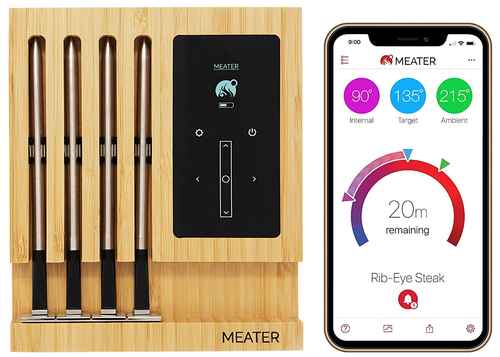
The most reliable way to know if your roast is done is by checking its internal temperature using a meat thermometer. For beef roasts, a minimum of 145°F (63°C) is required for medium-rare, but for slow-cooked roasts, aiming for 190-200°F (88-93°C) is ideal because this is when the collagen has fully broken down.
Other signs include:
- Fork test: A slow-cooked roast should be so tender that a fork slides in and out with little resistance.
- Juices: The juices should run clear, not pink or red.
- Pull-apart texture: The meat should begin to separate along natural grain lines effortlessly.
Avoid cutting into the roast too early, as this can release juices and dry out the meat, reducing the overall tenderness.
Ingredients Needed
A slow-cooker roast is simple but benefits from thoughtful seasoning:
For The Roast
- 3-4 pound beef roast (chuck, brisket, or rump)
- Salt and black pepper
- Garlic powder, onion powder, or fresh minced garlic
- Paprika, thyme, rosemary, or other preferred herbs
Vegetables (optional But Recommended)
- Carrots, cut into large chunks
- Potatoes, quartered or halved
- Celery stalks
- Onions, quartered
Liquid For Cooking
- Beef broth or stock (1-2 cups)
- Optional: red wine, Worcestershire sauce, or a splash of soy sauce for depth
The liquid ensures the meat stays moist and allows for the creation of a rich, flavorful sauce or gravy after cooking.
How To Cook Roast In Slow Cooker On Low
- Prepare the roast: Pat the meat dry, then season generously with salt, pepper, and any preferred herbs or spices. Searing the roast in a hot skillet for 2-3 minutes per side before slow cooking can add extra depth of flavor.
- Layer vegetables: Place sturdy vegetables like carrots, potatoes, and celery at the bottom of the slow cooker. This acts as a natural trivet for the roast.
- Add liquid: Pour in beef broth or stock, ensuring there’s enough liquid to cover the base but not submerge the roast entirely.
- Place the roast on top: Position it so it sits on the vegetables. This allows the meat juices to drip down and flavor the vegetables.
- Cook on low: Cover with the lid and cook for 8-10 hours. Avoid removing the lid frequently, as this releases heat and can extend cooking time.
- Rest before serving: After cooking, let the roast rest for 10-15 minutes. This helps redistribute the juices and makes carving easier.
When Things Go Wrong
Even with a slow cooker, things can go off track:
- Dry meat: Usually caused by cooking too long or too little liquid. Solution: Add more broth or cover with foil if your slow cooker lid isn’t tight.
- Undercooked roast: Check internal temperature and extend cooking time as needed. Cutting into the roast too soon can cause uneven cooking.
- Mushy vegetables: Large, dense cuts cook well, but delicate vegetables like peas or zucchini can turn to mush. Add these in the last 30-60 minutes.
- Bland flavor: Consider browning the meat, sautéing onions and garlic first, or adjusting seasonings toward the end.
Expert Tips
- Sear first: Adds caramelization and depth to the meat.
- Use a lid consistently: Heat loss dramatically extends cooking times.
- Choose the right cut: Chuck, brisket, and shoulder are ideal; lean roasts like sirloin can dry out.
- Low and slow beats high and fast: Cooking on high can result in tougher meat.
- Add acidic ingredients carefully: Vinegar or tomatoes tenderize but can change flavor if used excessively.
Can I Do This Without A Slow Cooker?
Yes. A roast can be cooked in an oven or Instant Pot:
- Oven method: Use a Dutch oven at 275-300°F (135-150°C) for 3-5 hours depending on size. Cover to retain moisture.
- Instant Pot: Cook on high pressure for 60-90 minutes, then naturally release. This method is faster but requires careful attention to liquid ratios.
Reheating Leftovers In Slow Cooker
Slow cookers are perfect for gently reheating leftovers without drying them out. Place the roast and vegetables in the slow cooker with a splash of broth or water. Cook on low for 2-3 hours until warmed through. Avoid high heat, which can toughen the meat. This method keeps the flavors intact and ensures that each bite is as succulent as the first day.
FAQs
What Is The Best Cut Of Meat For Cooking A Roast In A Slow Cooker On Low?
The best cuts are tougher, well-marbled meats that benefit from slow cooking, such as chuck roast, brisket, rump roast, or bottom round. These cuts become tender and flavorful after several hours on low heat.
How Long Should I Cook A Roast In A Slow Cooker On Low?
Generally, cooking a roast on low takes between 8 to 10 hours, depending on the size and type of meat. Larger roasts or tougher cuts may need the full 10 hours for maximum tenderness.
Do I Need To Sear The Roast Before Placing It In The Slow Cooker?
Searing the roast is optional but recommended. Browning the meat on all sides before slow cooking enhances the flavor and color, creating a richer, more appealing dish.
What Vegetables Work Best With A Slow-cooked Roast?
Root vegetables like carrots, potatoes, parsnips, and onions are ideal. These vegetables hold up well during long cooking times and absorb the flavors from the roast and broth.
Should I Add Liquid To The Slow Cooker?
Yes. Adding about 1/2 to 1 cup of liquid such as beef broth, wine, or a mixture of broth and seasonings helps keep the meat moist and creates a flavorful sauce. The slow cooker generates steam, so excessive liquid is not needed.
Can I Cook Frozen Roast Directly In The Slow Cooker On Low?
It is not recommended to cook frozen meat in a slow cooker, as it can remain in a temperature danger zone for too long, promoting bacterial growth. Thaw the roast in the refrigerator before cooking.
How Do I Know When The Roast Is Done?
The roast is done when it reaches an internal temperature of 190-205°F for shredding or 145-160°F for slicing, and when the meat is tender and easily pulls apart with a fork. A meat thermometer is the most reliable method.
Can I Use Herbs And Spices While Cooking In A Slow Cooker?
Yes. Herbs such as rosemary, thyme, bay leaves, and parsley, along with garlic, onion powder, or paprika, can be added to enhance flavor. Since slow cooking develops flavor over time, add fresh herbs in the last 30 minutes for the best aroma.
Is It Necessary To Lift The Lid During Cooking?
No. Lifting the lid lets heat and steam escape, extending the cooking time. Only check the roast near the end of the cooking period if necessary.
How Can I Make A Gravy From The Slow-cooked Roast Juices?
After removing the roast and vegetables, pour the juices into a saucepan. Simmer and thicken with a slurry of flour or cornstarch mixed with cold water. Adjust seasoning to taste and serve over the meat.