
How To Cook Roast Potatoes In Slow Cooker [GUIDE]
Roast potatoes are a quintessential comfort food, their golden, crispy exterior giving way to a soft, fluffy interior that makes them an irresistible accompaniment to nearly any meal. Traditionally, roasting potatoes requires an oven, but the slow cooker-an underappreciated kitchen workhorse-offers a uniquely convenient way to achieve tender, flavorful potatoes without the need for constant attention. Cooking roast potatoes in a slow cooker is not only a practical solution for busy schedules but also allows the potatoes to absorb rich flavors from herbs, oils, and any accompanying meats or vegetables. Unlike oven roasting, where high heat creates instant browning, the slow cooker slowly tenderizes the potato, resulting in a different, yet equally satisfying texture. Understanding the timing, techniques, and potential pitfalls of this method ensures a delicious outcome every time.
Contents
- 1 How Long To Cook Roast Potatoes In Slow Cooker
- 2 How To Tell If It Is Done
- 3 Ingredients Needed
- 4 How To Cook Roast Potatoes In Slow Cooker
- 5 When Things Go Wrong
- 6 Expert Tips
- 7 Can I Do This Without A Slow Cooker?
- 8 Reheating Leftovers In Slow Cooker
- 9 FAQs
- 9.1 Can I Cook Roast Potatoes Entirely In A Slow Cooker?
- 9.2 What Type Of Potatoes Are Best For Slow Cooker Roasting?
- 9.3 Do I Need To Parboil The Potatoes Before Using A Slow Cooker?
- 9.4 How Much Oil Should I Use For Slow Cooker Roast Potatoes?
- 9.5 What Seasonings Work Best For Slow Cooker Roast Potatoes?
- 9.6 How Long Should Roast Potatoes Cook In A Slow Cooker?
- 9.7 Can I Get Crispy Roast Potatoes In A Slow Cooker?
- 9.8 Should I Cover The Slow Cooker While Cooking Roast Potatoes?
- 9.9 Can I Add Vegetables Or Meat With The Potatoes?
- 9.10 How Do I Prevent Slow Cooker Roast Potatoes From Becoming Mushy?
How Long To Cook Roast Potatoes In Slow Cooker
Timing is critical when cooking roast potatoes in a slow cooker. Unlike the high-heat, short-duration method of an oven, slow cookers rely on prolonged, gentle heat to cook evenly. Typically, roast potatoes in a slow cooker require 3 to 4 hours on high or 6 to 7 hours on low, depending on the size of the potato chunks and the model of your slow cooker. Small, evenly cut potato pieces will cook faster, while larger or whole potatoes will need additional time to ensure the interior becomes tender. Using a lid traps moisture, promoting even cooking, but if you prefer a slightly drier surface to mimic the crispiness of oven roasting, lifting the lid toward the end of cooking for 15-20 minutes can help.
How To Tell If It Is Done
Determining doneness is simpler than it seems, but it requires attention. Slow-cooked roast potatoes are done when:
- Texture: The potatoes should feel soft and tender all the way through. Use a fork or skewer to pierce the largest piece; it should slide in easily without resistance.
- Appearance: While slow cookers don’t produce the same golden crust as an oven, the potatoes should have a slightly firm exterior with lightly browned edges if cooked uncovered toward the end.
- Taste Test: A small bite should reveal a creamy interior without a raw, starchy taste.
Be cautious-overcooking can cause the potatoes to become mushy, while undercooking leaves a dense, raw texture.
Ingredients Needed
To make slow-cooked roast potatoes, you’ll need a combination of basic pantry staples and optional flavor enhancers:
Essential Ingredients
- Potatoes (Yukon Gold or Russet work best for their fluffy texture)
- Olive oil or melted butter
- Salt and pepper
Optional Flavorings
- Fresh herbs such as rosemary, thyme, or parsley
- Garlic cloves (whole or crushed)
- Onion slices
- Paprika or smoked paprika for subtle smokiness
- Chicken or vegetable stock for added moisture
How To Cook Roast Potatoes In Slow Cooker
- Prepare the potatoes: Peel (optional) and cut potatoes into uniform chunks, roughly 2-inch pieces, ensuring even cooking.
- Season: Toss potatoes with oil or melted butter, salt, pepper, and any desired herbs or spices.
- Layer in the slow cooker: Place the potatoes evenly in the slow cooker. Adding onions or garlic at this stage enhances flavor. Avoid overcrowding to allow heat circulation.
- Add liquid (optional): A few tablespoons of stock or water can prevent sticking and promote even cooking but don’t submerge the potatoes.
- Cook: Cover and cook on high for 3-4 hours or low for 6-7 hours. Check for tenderness after the minimum recommended time.
- Optional browning: For a slightly crispy exterior, transfer cooked potatoes to a baking sheet and broil in the oven for 5-10 minutes, or lift the slow cooker lid for the last 20 minutes to allow some evaporation and surface drying.
When Things Go Wrong
Even slow cookers can sometimes present challenges:
- Potatoes are mushy: Likely overcooked or cut too small. Reduce cooking time next time.
- Potatoes stick to the bottom: Ensure they are lightly coated in oil or butter and stir occasionally if your slow cooker tends to have hot spots.
- Uneven cooking: Use uniform potato sizes and avoid overcrowding. Stirring halfway through helps distribute heat.
- Lack of flavor: Slow cooking can sometimes dilute seasoning. Taste test toward the end and adjust with herbs, salt, or a finishing drizzle of oil.
Expert Tips
- Choose the right potato: Waxy varieties hold shape better, while starchy potatoes like Russets yield fluffier interiors.
- Parboil first: Boiling potatoes for 5-10 minutes before adding them to the slow cooker can reduce cooking time and improve texture.
- Use a bit of sugar: A pinch of brown sugar can enhance browning and flavor when finishing under the broiler.
- Layering matters: Avoid adding too many other vegetables on top of potatoes, as excess moisture can affect texture.
- Experiment with aromatics: Bay leaves, whole garlic, or shallots can infuse subtle flavors without overwhelming the potato.
Can I Do This Without A Slow Cooker?
Absolutely. Roast potatoes can be made in the oven, air fryer, or even stovetop:
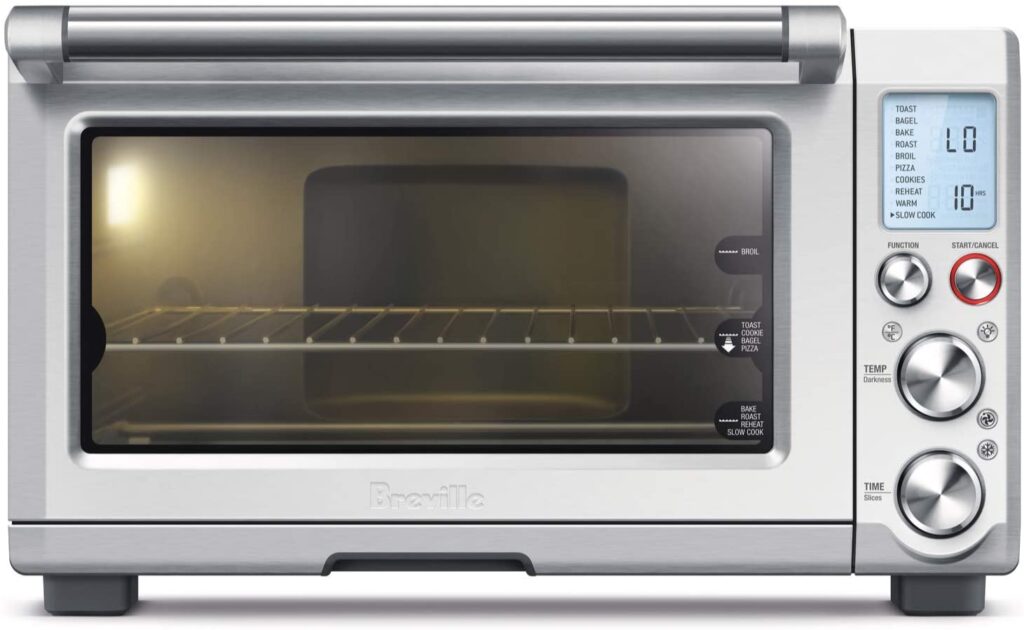
- Oven: Roast at 400°F (200°C) for 40-50 minutes, turning halfway through for even browning.
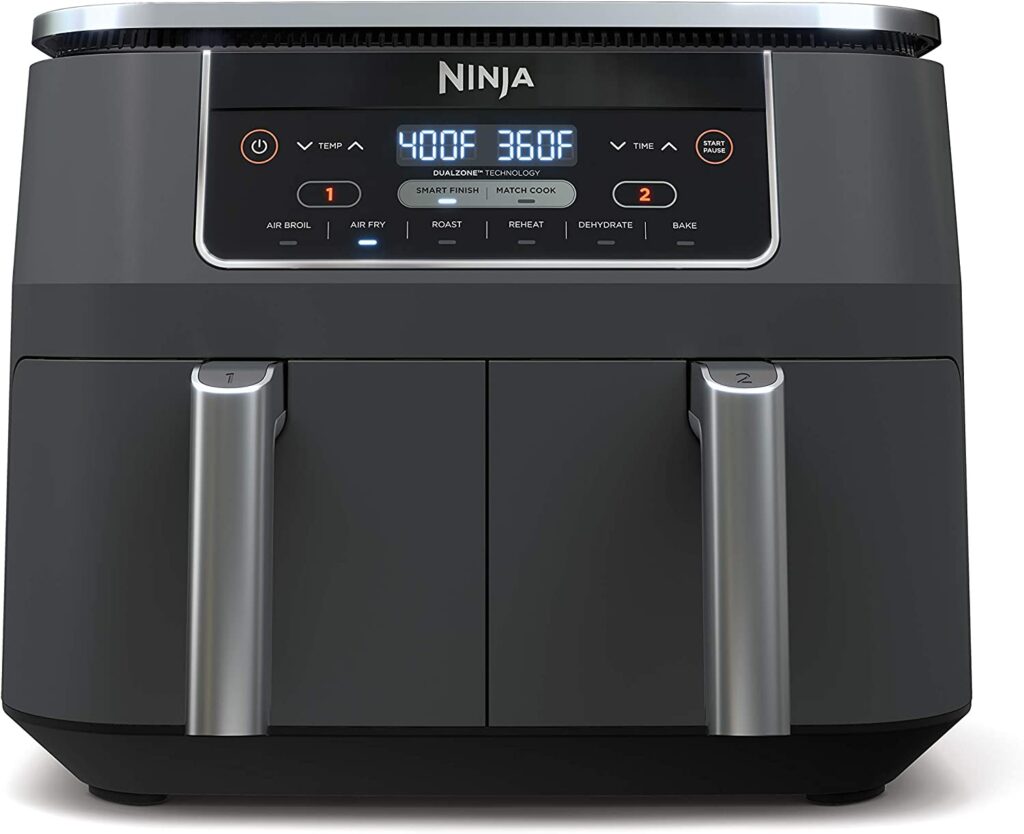
- Air fryer: Cook at 375°F (190°C) for 20-25 minutes, shaking occasionally.
- Stovetop: Use a heavy-bottomed pan with a lid, cooking over low heat with oil or butter and occasional stirring until tender.
While the textures vary, each method has its own charm. The slow cooker method shines for its convenience and gentle infusion of flavor.
Reheating Leftovers In Slow Cooker
Reheating slow-cooked roast potatoes in a slow cooker is simple and prevents drying out:
- Place leftover potatoes in the slow cooker.
- Add a teaspoon of oil or a splash of stock to prevent sticking.
- Cover and heat on low for 1-2 hours or until warmed through.
- For a crispier exterior, transfer to a preheated oven or broiler for 5-10 minutes after slow reheating.
FAQs
Can I Cook Roast Potatoes Entirely In A Slow Cooker?
Yes, roast potatoes can be cooked entirely in a slow cooker, though the texture may differ slightly from oven-roasted potatoes. Slow cooking allows the potatoes to become tender and flavorful, but they might not achieve the same crispiness as in an oven. Using a combination of oil, seasonings, and optional pre-browning can enhance texture.
What Type Of Potatoes Are Best For Slow Cooker Roasting?
Starchy potatoes like Russets or Yukon Gold are ideal. Russets become fluffy inside, while Yukon Gold maintain a slightly creamy texture. Avoid waxy potatoes, which can become too soft and may break apart during slow cooking.
Do I Need To Parboil The Potatoes Before Using A Slow Cooker?
Parboiling is optional but recommended if you want a more even texture and faster cooking. Boiling the potatoes for 5-10 minutes before placing them in the slow cooker ensures they cook evenly and retain a slightly firm texture rather than becoming mushy.
How Much Oil Should I Use For Slow Cooker Roast Potatoes?
Use approximately 1 to 2 tablespoons of oil per pound of potatoes. Olive oil, vegetable oil, or melted butter works well. Ensure the potatoes are lightly coated to prevent sticking and to promote browning and flavor.
What Seasonings Work Best For Slow Cooker Roast Potatoes?
Common seasonings include salt, pepper, garlic, rosemary, thyme, paprika, and onion powder. Fresh herbs can be added towards the end of cooking to preserve their flavor, while dried herbs work well throughout the cooking process.
How Long Should Roast Potatoes Cook In A Slow Cooker?
Cooking time depends on the size of the potato pieces and the slow cooker setting. On low, cook for 4-5 hours; on high, cook for 2-3 hours. Check for tenderness by piercing with a fork; they should be soft inside but not falling apart.
Can I Get Crispy Roast Potatoes In A Slow Cooker?
Achieving a fully crispy exterior is difficult in a slow cooker due to the moist cooking environment. For a crispier result, you can finish the potatoes under a broiler or in a hot oven for 10-15 minutes after slow cooking.
Should I Cover The Slow Cooker While Cooking Roast Potatoes?
Yes, covering the slow cooker is generally recommended to trap heat and moisture for even cooking. However, leaving it slightly uncovered towards the end can help reduce excess moisture and make the potatoes less soggy.
Can I Add Vegetables Or Meat With The Potatoes?
Yes, vegetables like carrots, parsnips, and onions can be added and will cook alongside the potatoes. If adding meat, ensure it is placed either on top or beneath the potatoes to avoid overcooking, and adjust cooking time according to the meat’s requirements.
How Do I Prevent Slow Cooker Roast Potatoes From Becoming Mushy?
Cut potatoes into evenly sized chunks, avoid overfilling the slow cooker, use minimal liquid, and choose starchy potatoes. Parboiling can also help maintain structure. Avoid stirring too often, which can break the potatoes apart.