
How To Cook Rump Roast In Slow Cooker [GUIDE]
Rump roast, known for its rich beefy flavor and tender texture when cooked properly, is a classic cut that thrives under slow, gentle heat. Often considered a tougher cut due to its muscle density, rump roast becomes a melt-in-your-mouth delight when cooked low and slow. Using a slow cooker allows the meat to cook evenly over several hours, breaking down connective tissues and infusing the roast with deep, savory flavors. This method not only ensures a succulent roast but also frees you from constant monitoring, making it ideal for busy households or comforting Sunday dinners.
Contents
- 1 How Long To Cook Rump Roast In Slow Cooker
- 2 How To Tell If It Is Done
- 3 Ingredients Needed
- 4 How To Cook Rump Roast In Slow Cooker
- 5 When Things Go Wrong
- 6 Expert Tips
- 7 Can I Do This Without A Slow Cooker?
- 8 Reheating Leftovers In Slow Cooker
- 9 FAQs
- 9.1 How Long Does It Take To Cook A Rump Roast In A Slow Cooker?
- 9.2 Should I Sear The Rump Roast Before Putting It In The Slow Cooker?
- 9.3 Do I Need To Add Liquid When Cooking A Rump Roast In The Slow Cooker?
- 9.4 What Seasonings Work Best For Slow-cooked Rump Roast?
- 9.5 Can I Add Vegetables To The Slow Cooker With The Rump Roast?
- 9.6 How Do I Know When The Rump Roast Is Done?
- 9.7 Should The Rump Roast Be Cooked Fat Side Up Or Down?
- 9.8 Can I Cook A Frozen Rump Roast In The Slow Cooker?
- 9.9 How Can I Prevent The Rump Roast From Turning Out Dry?
- 9.10 What Can I Do With Leftovers From A Slow-cooked Rump Roast?
How Long To Cook Rump Roast In Slow Cooker
Timing is crucial to achieving that perfect fork-tender texture. In general, a rump roast will require:
- Low setting: 8-10 hours
- High setting: 4-6 hours
The variation depends on the size of the roast (typically 2-4 pounds) and whether you include vegetables and liquid in the slow cooker. Cooking on low allows the connective tissue to break down gradually, resulting in a more tender, juicy roast. High heat can work in a pinch but risks slightly less tenderness and may require checking midway to ensure it doesn’t dry out.
How To Tell If It Is Done
Determining doneness for a rump roast is both an art and a science:
- Visual cues: The meat should be pulling away from the bone (if bone-in) and appear dark brown. Juices should run clear rather than reddish.
- Touch test: Press gently on the meat with tongs or a fork. A fully cooked rump roast should feel soft, with a slight spring, and give way easily under pressure.
-
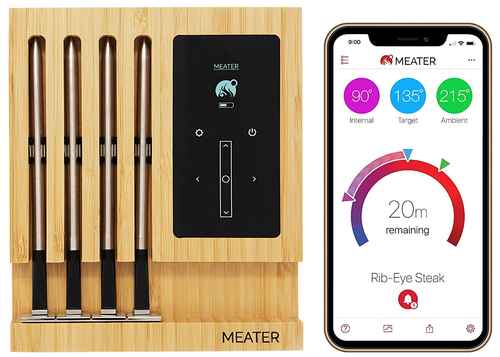
Thermometer: For precision, insert a meat thermometer into the thickest part. Ideally, you want:
- Medium-rare: 130-135°F (not common for slow cooking)
- Medium: 140-145°F
- Well-done: 160°F and above
Because slow cookers maintain a steady, low temperature, the meat is unlikely to overcook drastically, but checking ensures perfect texture.
Ingredients Needed
To make a classic rump roast in a slow cooker, you’ll need:
- Rump roast: 2-4 pounds
- Vegetables (optional): Carrots, potatoes, onions, celery
- Liquid: Beef broth (1-2 cups) or a combination of broth and red wine
- Seasonings: Salt, pepper, garlic, rosemary, thyme, paprika
- Oil: 1-2 tablespoons for browning (optional but enhances flavor)
Optional additions for depth: Worcestershire sauce, soy sauce, bay leaves, or mushrooms.
How To Cook Rump Roast In Slow Cooker
- Prepare the meat: Pat the roast dry with paper towels to encourage browning. Season generously with salt, pepper, and preferred spices.
- Sear the roast (optional but recommended): Heat oil in a skillet over medium-high heat. Brown all sides of the roast for 2-3 minutes per side. This step develops rich flavor through the Maillard reaction.
- Layer vegetables: Place chopped onions, carrots, potatoes, and celery at the bottom of the slow cooker. This not only adds flavor but prevents the meat from sitting directly in liquid.
- Add liquid: Pour beef broth or broth-wine mixture over the vegetables. The liquid should reach about halfway up the sides of the roast.
- Cook: Cover and cook on low for 8-10 hours or high for 4-6 hours. Avoid opening the lid frequently, as this releases heat and extends cooking time.
- Rest: Once done, remove the roast and let it rest for 10-15 minutes before slicing. This allows juices to redistribute.
When Things Go Wrong
Even with a slow cooker, mishaps can happen:
- Meat is dry: Likely cooked too long on high or without enough liquid. Serve with gravy to add moisture.
- Meat is tough: Undercooked connective tissue; may need additional cooking time.
- Vegetables mushy: Add vegetables halfway through cooking to prevent overcooking.
- Flavor too mild: Increase seasoning or sear the meat beforehand to enhance taste.
Expert Tips
- Don’t skip the sear: It adds depth and color to the final dish.
- Choose the right roast: Rump roast is excellent, but chuck roast can also be used for even more marbling.
- Use a meat thermometer: Slow cookers can vary in temperature, and internal temperature is the most reliable measure.
- Thicken juices: Remove the roast, strain the liquid, and simmer on the stovetop with a cornstarch slurry for a rich gravy.
- Layer flavors: Garlic, herbs, and a splash of wine or balsamic vinegar elevate simple ingredients.
Can I Do This Without A Slow Cooker?
Absolutely. The oven can mimic slow cooker results:
- Preheat oven to 300°F (150°C).
- Brown the roast in a skillet, place in a Dutch oven with vegetables and liquid.
- Cover tightly and cook for 3-4 hours, or until tender, checking occasionally.
The key principle is low and slow heat combined with moisture to tenderize the meat.
Reheating Leftovers In Slow Cooker
Reheating in a slow cooker keeps the meat moist without drying it out:
- Place sliced roast and vegetables in the slow cooker.
- Add a splash of broth or leftover juices.
- Heat on low for 2-3 hours or high for 1 hour until warmed through.
- Avoid microwaving for large portions, as this can unevenly cook and dry out the meat.
FAQs
How Long Does It Take To Cook A Rump Roast In A Slow Cooker?
A 3-4 pound rump roast typically cooks for 8-10 hours on low or 4-6 hours on high. Cooking on low yields a more tender texture.
Should I Sear The Rump Roast Before Putting It In The Slow Cooker?
Searing is optional but recommended. Browning the roast in a hot pan before slow cooking enhances flavor and improves overall texture.
Do I Need To Add Liquid When Cooking A Rump Roast In The Slow Cooker?
Yes. Adding 1 to 2 cups of liquid, such as beef broth or water, helps prevent the roast from drying out and creates flavorful drippings for gravy.
What Seasonings Work Best For Slow-cooked Rump Roast?
Common seasonings include garlic, onion, thyme, rosemary, paprika, black pepper, and salt. Many people also add Worcestershire sauce or soy sauce for depth.
Can I Add Vegetables To The Slow Cooker With The Rump Roast?
Yes. Carrots, potatoes, onions, and celery are popular additions. Place vegetables on the bottom of the slow cooker so they cook evenly and absorb flavors.
How Do I Know When The Rump Roast Is Done?
A rump roast is done when it reaches an internal temperature of 190-205°F for shredding or 145-160°F for slicing. It should be fork-tender when fully cooked.
Should The Rump Roast Be Cooked Fat Side Up Or Down?
Cooking the roast with the fat side up allows the fat to drip down and self-baste the meat, producing a more tender and flavorful result.
Can I Cook A Frozen Rump Roast In The Slow Cooker?
It is not recommended to cook frozen meat in a slow cooker due to food safety concerns. Thaw the roast completely in the refrigerator before cooking.
How Can I Prevent The Rump Roast From Turning Out Dry?
Use enough liquid, avoid lifting the lid during cooking, choose the low-heat setting, and cook the roast until it is fully tender without overcooking.
What Can I Do With Leftovers From A Slow-cooked Rump Roast?
Leftovers can be used for sandwiches, tacos, soups, stews, or added to pasta dishes. Store them in an airtight container in the refrigerator for up to four days.