
How To Cook Russet Potatoes In Slow Cooker [GUIDE]
Russet potatoes are a staple in kitchens around the world, celebrated for their earthy flavor, fluffy interior, and versatility in countless dishes. While baking or boiling are common methods of preparation, the slow cooker offers a unique, hands-off approach that yields tender, evenly cooked potatoes without the need for constant attention. Slow cooking allows the starches in russets to break down gradually, creating a creamy interior that’s perfect for mashing, topping with butter and herbs, or incorporating into hearty meals. This method is ideal for busy cooks, meal preppers, or anyone who wants the comforting texture of a perfectly cooked potato with minimal effort.
Contents
- 1 How Long To Cook Russet Potatoes In Slow Cooker
- 2 How To Tell If It Is Done
- 3 Ingredients Needed
- 4 How To Cook Russet Potatoes In Slow Cooker
- 5 When Things Go Wrong
- 6 Expert Tips
- 7 Can I Do This Without A Slow Cooker?
- 8 Reheating Leftovers In Slow Cooker
- 9 FAQs
- 9.1 Can I Cook Russet Potatoes Whole In A Slow Cooker?
- 9.2 Do I Need To Peel Russet Potatoes Before Slow Cooking?
- 9.3 Should I Add Water When Cooking Russet Potatoes In A Slow Cooker?
- 9.4 How Long Does It Take To Cook Russet Potatoes In A Slow Cooker?
- 9.5 Can I Season Russet Potatoes Before Putting Them In A Slow Cooker?
- 9.6 Will Russet Potatoes Become Mushy In A Slow Cooker?
- 9.7 Can I Add Other Vegetables To The Slow Cooker With Russet Potatoes?
- 9.8 Is It Safe To Cook Frozen Russet Potatoes In A Slow Cooker?
- 9.9 Can I Make Mashed Potatoes Directly In The Slow Cooker?
- 9.10 How Do I Know When Slow-cooked Russet Potatoes Are Done?
How Long To Cook Russet Potatoes In Slow Cooker
Cooking time in a slow cooker depends on the size of the potatoes and the heat setting used. On high heat, medium-sized russets usually take 3 to 4 hours to become tender, while on low heat, they need 6 to 7 hours. For large potatoes or whole russets with thick skins, adding an extra 30-60 minutes may be necessary. It’s important to note that slow cookers vary in temperature consistency, so these times are guidelines rather than exact rules. Overcooking is less of a concern than with conventional ovens, as slow cookers maintain moisture, but monitoring the texture ensures optimal results.
How To Tell If It Is Done
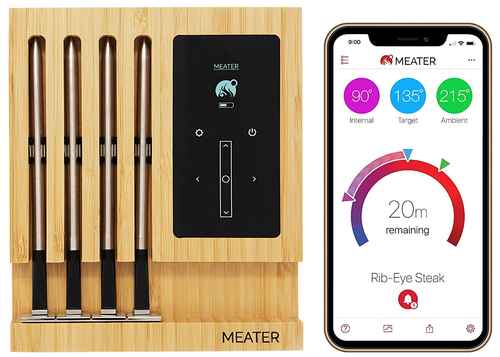
The key to perfect slow-cooked russet potatoes is knowing when they’ve reached the ideal softness. The most reliable method is the fork test: insert a fork or skewer into the center of the potato. If it slides in effortlessly with little resistance, the potato is done. The skin should be tender yet intact, and the interior should be light, fluffy, and slightly springy. If the fork meets resistance, continue cooking and check every 20-30 minutes. Avoid cutting the potatoes prematurely, as this can cause moisture to escape and may affect the texture.
Ingredients Needed
Cooking russet potatoes in a slow cooker is wonderfully simple. The base ingredients include:
- Russet potatoes – medium to large, washed thoroughly and optionally scrubbed
- Olive oil or melted butter – lightly coats the potatoes to enhance flavor and prevent sticking
- Salt and pepper – basic seasonings to highlight the potato’s natural taste
- Optional additions: garlic cloves, fresh or dried herbs (rosemary, thyme, parsley), paprika, or even a splash of broth for added depth
These simple ingredients allow the natural earthiness of the russet potato to shine, while optional seasonings provide customization depending on your intended dish.
How To Cook Russet Potatoes In Slow Cooker
- Prep the potatoes: Wash each potato thoroughly, removing any dirt or blemishes. For faster cooking, consider piercing them several times with a fork to allow steam to escape.
- Season: Rub the potatoes lightly with olive oil or butter, then sprinkle with salt, pepper, and any optional seasonings.
- Arrange in the slow cooker: Place the potatoes in a single layer in the slow cooker to ensure even cooking. Avoid overcrowding.
- Cook: Cover with the lid and cook on low for 6-7 hours or high for 3-4 hours, adjusting time for larger or smaller potatoes.
- Check for doneness: Use the fork test toward the end of cooking time. Once the fork slides in easily, remove the potatoes immediately to prevent overcooking.
When Things Go Wrong
Even with slow cooking, mistakes can happen:
- Potatoes are mushy: Likely overcooked. Reduce cooking time next attempt or use smaller potatoes.
- Potatoes are undercooked: They may have been too large or crowded. Simply continue cooking, checking every 15-30 minutes.
- Uneven cooking: Ensure potatoes are in a single layer and not stacked. If needed, rotate or rearrange them halfway through.
- Dry or tough skin: Lightly coat potatoes with oil or butter before cooking to maintain moisture.
Expert Tips
- Size matters: Cut larger russets in halves or quarters to reduce cooking time and ensure even texture.
- Layer with care: Avoid stacking potatoes; a single layer cooks most consistently.
- Flavor infusion: Add garlic cloves, onion slices, or fresh herbs around the potatoes for subtle aromatic depth.
- Slow cooker liner: Using a liner can prevent sticking and make cleanup much easier.
- Keep lid closed: Avoid lifting the lid repeatedly, as each opening releases heat and increases cooking time.
Can I Do This Without A Slow Cooker?
Yes. Russet potatoes can be baked in the oven at 400°F (200°C) for 45-60 minutes, or microwaved for 8-12 minutes depending on size. However, these methods don’t achieve the same gentle, hands-off tenderness that a slow cooker provides. The slow cooker’s low, consistent heat uniquely allows starches to soften evenly while maintaining moisture, giving the potatoes a creamy, almost melt-in-your-mouth texture that’s difficult to replicate with faster methods.
Reheating Leftovers In Slow Cooker
Slow-cooked potatoes reheat beautifully without drying out. Place the cooked potatoes back in the slow cooker, cover, and heat on low for 1-2 hours or until warmed through. Adding a teaspoon of water, broth, or butter can help maintain moisture. Avoid reheating on high for extended periods, as this may cause the potatoes to become overly soft or break apart.
FAQs
Can I Cook Russet Potatoes Whole In A Slow Cooker?
Yes, russet potatoes can be cooked whole in a slow cooker. Make sure to wash and scrub the potatoes thoroughly, pierce them with a fork several times to allow steam to escape, and cook on low for 6-8 hours or on high for 3-4 hours, depending on their size.
Do I Need To Peel Russet Potatoes Before Slow Cooking?
Peeling is optional. The skin of russet potatoes becomes tender during slow cooking and contains nutrients and fiber. You can leave the skin on if you prefer a rustic texture, or peel them beforehand if you want a smoother finish.
Should I Add Water When Cooking Russet Potatoes In A Slow Cooker?
Adding water is optional. For whole baked-style potatoes, you can cook them without water as the slow cooker traps moisture. If you are cutting them into chunks or making mashed potatoes, adding a small amount of water, broth, or butter can prevent sticking and enhance flavor.
How Long Does It Take To Cook Russet Potatoes In A Slow Cooker?
Cooking times vary by size and whether the potatoes are whole or chopped. Whole medium russet potatoes generally take 6-8 hours on low or 3-4 hours on high. Chopped potatoes cook faster, usually in 3-4 hours on low or 1-2 hours on high.
Can I Season Russet Potatoes Before Putting Them In A Slow Cooker?
Yes, you can season them with salt, pepper, herbs, garlic, or olive oil. Lightly coating the potatoes with oil and seasonings before cooking enhances flavor. For whole potatoes, seasoning the skin works well, while chopped potatoes benefit from seasoning the surface evenly.
Will Russet Potatoes Become Mushy In A Slow Cooker?
They can become mushy if overcooked. To prevent this, avoid cooking on high for too long, and check for doneness periodically. Cooking smaller pieces increases the risk of overcooking, so monitor closely if the potatoes are chopped.
Can I Add Other Vegetables To The Slow Cooker With Russet Potatoes?
Yes, root vegetables like carrots, onions, and parsnips complement russet potatoes. Harder vegetables may require slightly less time or chopping to similar sizes to ensure even cooking. Soft vegetables like zucchini or tomatoes are better added later to prevent overcooking.
Is It Safe To Cook Frozen Russet Potatoes In A Slow Cooker?
It is generally safe but not recommended, as starting from frozen can increase cooking time and may cause uneven cooking. Thawing potatoes before slow cooking ensures more consistent texture and doneness.
Can I Make Mashed Potatoes Directly In The Slow Cooker?
Yes, chopped russet potatoes can be cooked until tender, then mashed directly in the slow cooker. Adding butter, cream, milk, or seasonings after cooking allows for easy, hands-off preparation, especially if you keep the slow cooker on the ’warm’ setting to maintain texture.
How Do I Know When Slow-cooked Russet Potatoes Are Done?
Potatoes are done when a fork or skewer easily pierces through the flesh without resistance. Whole potatoes may need slightly more time than chopped ones, and checking for tenderness ensures they are cooked without becoming overly mushy.