
How To Cook Short Rib Roast In Slow Cooker [GUIDE]
Short rib roast is one of the most indulgent and flavorful cuts of beef, prized for its rich marbling and deep, beefy flavor. Unlike traditional rib roasts, short ribs have a higher fat content and connective tissue, which means they benefit immensely from slow, gentle cooking. The slow cooker is a perfect tool for this purpose-it transforms a tough, fibrous cut into a melt-in-your-mouth delicacy with minimal effort. The magic lies in the combination of low heat, moisture, and time: the collagen in the meat breaks down, infusing the roast with tenderness and flavor that can only come from a slow-cooked process.
Cooking a short rib roast in a slow cooker is not just about convenience; it’s about unlocking flavors that conventional roasting or grilling often cannot achieve. The aroma that fills your kitchen as the meat simmers for hours is enough to whet anyone’s appetite. Whether served for a special occasion or a hearty family dinner, a slow-cooked short rib roast is an experience of comfort, indulgence, and culinary mastery.
Contents
- 1 How Long To Cook Short Rib Roast In Slow Cooker
- 2 How To Tell If It Is Done
- 3 Ingredients Needed
- 4 How To Cook Short Rib Roast In Slow Cooker
- 5 When Things Go Wrong
- 6 Expert Tips
- 7 Can I Do This Without A Slow Cooker?
- 8 Reheating Leftovers In Slow Cooker
- 9 FAQs
- 9.1 What Is The Best Cut Of Short Rib For Slow Cooking?
- 9.2 Should I Sear The Short Ribs Before Putting Them In The Slow Cooker?
- 9.3 How Much Liquid Should I Add To The Slow Cooker?
- 9.4 What Seasonings Or Marinades Work Best For Short Rib Roast?
- 9.5 What Is The Ideal Cooking Temperature And Time For Slow-cooked Short Ribs?
- 9.6 Can I Cook Frozen Short Ribs In A Slow Cooker?
- 9.7 How Can I Make The Sauce Thicker After Slow Cooking?
- 9.8 Is It Better To Add Vegetables At The Beginning Or End Of Cooking?
- 9.9 How Should I Store Leftover Slow-cooked Short Ribs?
- 9.10 Can I Reheat Slow-cooked Short Ribs Without Drying Them Out?
How Long To Cook Short Rib Roast In Slow Cooker
Time is the critical element when it comes to slow-cooked short rib roast. The goal is to allow the connective tissues, primarily collagen, to break down completely, resulting in a tender, juicy roast that almost falls apart at the touch of a fork.
- Low Setting: Cooking on low heat is ideal for this cut. Typically, a short rib roast requires 8 to 10 hours on the low setting. The low and slow approach ensures that the meat remains juicy and the flavors fully develop.
- High Setting: If you’re short on time, cooking on high is possible, but it comes with caution. At high heat, the roast may be done in 4 to 6 hours, but the meat may not be quite as tender as the slow, low-heat method. Collagen breakdown is slower at higher temperatures, which can affect texture.
It’s important to note that size matters: a larger roast (5-6 pounds) may need the full 10 hours, while a smaller roast (2-3 pounds) could be ready in 7-8 hours on low. Patience is rewarded with the most succulent, flavorful results.
How To Tell If It Is Done
Unlike a steak, where you rely on internal temperature, determining doneness for a slow-cooked short rib roast is more about texture than temperature.
- Fork Test: The ultimate test is the fork test. The roast should be so tender that a fork slides in and out easily, and the meat begins to shred with little effort.
- Appearance: The meat should pull away from the bone naturally, and the exterior should be a deep, caramelized brown if searing was done beforehand.
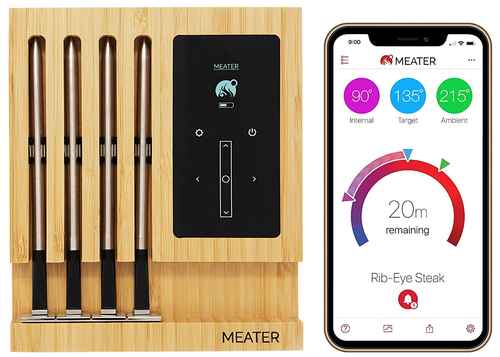
- Internal Temperature: For reference, the USDA recommends an internal temperature of 195-205°F (90-96°C) for braised or slow-cooked beef cuts like short ribs, ensuring full collagen breakdown.
Remember, if the roast feels firm or resists shredding, it simply needs more time. Slow cooking is forgiving, and it’s always better to cook a bit longer than to risk a tough result.
Ingredients Needed
To create a short rib roast that is both tender and flavorful, you’ll need a combination of fresh herbs, aromatics, and liquids to infuse the meat during the slow cooking process. Here’s a typical ingredient list:
- Short Rib Roast: 3-6 pounds, bone-in preferred
- Salt and Pepper: For seasoning
- Olive Oil or Vegetable Oil: For searing
- Garlic: 4-6 cloves, minced or smashed
- Onion: 1-2 large, sliced
- Carrots: 2-3, cut into chunks
- Celery: 2-3 stalks, cut into chunks
- Beef Broth or Stock: 2-3 cups
- Red Wine (optional): 1 cup, adds depth of flavor
- Tomato Paste: 2 tablespoons, for richness
- Fresh Herbs: Thyme, rosemary, bay leaves
- Worcestershire Sauce or Soy Sauce: Optional, for umami
- Mushrooms (optional): Sliced, for additional texture and flavor
These ingredients provide a balance of aromatics, moisture, and acidity that tenderize the meat and create a rich, complex braising liquid.
How To Cook Short Rib Roast In Slow Cooker
- Preparation: Pat the roast dry and generously season it with salt and pepper. Drying the meat ensures a better sear.
- Searing (Optional but Recommended): Heat oil in a skillet over medium-high heat. Sear the roast on all sides until golden brown. This step adds a depth of flavor via the Maillard reaction.
- Layer Aromatics: Place onions, carrots, celery, and garlic in the bottom of the slow cooker. These vegetables act as a natural rack, lifting the meat slightly and flavoring the cooking liquid.
- Deglaze Pan (Optional): After searing, pour a bit of red wine or broth into the skillet to scrape up the flavorful brown bits and add to the slow cooker.
- Add Liquids and Herbs: Pour in beef broth (and wine if using). Add tomato paste and fresh herbs. Ensure the liquid covers at least one-third of the roast.
- Slow Cook: Cover and cook on low for 8-10 hours or high for 4-6 hours. Resist the urge to lift the lid too often-this prolongs cooking time.
- Finishing Touches: Once done, remove the roast and let it rest for 10-15 minutes. Skim fat from the liquid if desired and reduce it in a saucepan for a rich sauce.
When Things Go Wrong
Even with the slow cooker’s forgiving nature, issues can arise:
- Tough Meat: Likely undercooked. Extend cooking time by 1-2 hours and ensure the roast is partially submerged in liquid.
- Dry Meat: Usually overcooked or not enough liquid. Cover tightly and consider adding additional broth to maintain moisture.
- Bland Flavor: Could result from skipping searing or not using enough aromatics/herbs. Deglazing the pan after searing adds intense flavor.
Slow cooking is forgiving, but these tweaks can rescue a roast that isn’t perfect the first time.
Expert Tips
- Sear First: Adds rich flavor that slow cooking alone cannot replicate.
- Don’t Rush: Low and slow yields the best texture.
- Use Bone-In Cuts: Bones contribute collagen and depth to the sauce.
- Rest the Meat: Always allow 10-15 minutes before carving to lock in juices.
- Strain and Reduce Juices: Turn the leftover liquid into a luscious gravy or sauce.
Can I Do This Without A Slow Cooker?
Absolutely. Short rib roast can also be cooked in the oven or on the stovetop:
- Oven: Braise in a covered roasting pan or Dutch oven at 275-300°F (135-150°C) for 3-5 hours, depending on size.
- Stovetop: Simmer gently in a heavy pot with a lid over low heat for 3-5 hours.
The principles remain the same: low heat, moisture, and time to break down collagen and achieve tenderness.
Reheating Leftovers In Slow Cooker
Reheating slow-cooked short rib roast is simple:
- Place the meat and sauce back in the slow cooker.
- Heat on low for 2-3 hours or until warmed through.
- Avoid high heat to prevent drying out the meat.
Slow reheating maintains tenderness while allowing flavors to meld even more.
FAQs
What Is The Best Cut Of Short Rib For Slow Cooking?
For slow cooking, bone-in beef short ribs are ideal because the bones add flavor and help keep the meat tender. Look for ribs with good marbling, as the fat will render during cooking and enhance the richness of the dish.
Should I Sear The Short Ribs Before Putting Them In The Slow Cooker?
Searing the short ribs in a hot pan before slow cooking is recommended. It caramelizes the surface, develops deeper flavors, and improves the appearance of the finished dish, though it is not strictly necessary.
How Much Liquid Should I Add To The Slow Cooker?
Typically, add enough liquid to cover about one-third to one-half of the short ribs. Common liquids include beef broth, red wine, or a combination. Excess liquid can dilute the flavors, while too little may cause the meat to dry out or stick.
What Seasonings Or Marinades Work Best For Short Rib Roast?
Classic seasonings include salt, pepper, garlic, onion, thyme, and rosemary. For richer flavor, marinate the ribs in red wine or soy sauce-based marinades for a few hours or overnight before slow cooking.
What Is The Ideal Cooking Temperature And Time For Slow-cooked Short Ribs?
Cook on low heat for 6 to 8 hours or until the meat is tender and easily pulls away from the bone. Cooking on high heat is possible (around 4 to 5 hours), but slow and low yields the most tender results.
Can I Cook Frozen Short Ribs In A Slow Cooker?
It is not recommended to cook frozen short ribs directly in a slow cooker because they can remain in the temperature danger zone too long, increasing the risk of bacterial growth. Thaw ribs in the refrigerator before slow cooking.
How Can I Make The Sauce Thicker After Slow Cooking?
Remove the ribs and transfer the cooking liquid to a saucepan. Simmer until reduced, or mix a small amount of cornstarch or flour with water and stir it in to thicken the sauce. You can also puree vegetables from the slow cooker to add body.
Is It Better To Add Vegetables At The Beginning Or End Of Cooking?
Root vegetables like carrots, potatoes, and onions can be added at the beginning because they hold up well during long cooking. Delicate vegetables such as peas or green beans should be added in the last 30 minutes to prevent overcooking.
How Should I Store Leftover Slow-cooked Short Ribs?
Allow the meat and sauce to cool slightly, then store in an airtight container in the refrigerator for up to 3 to 4 days. For longer storage, freeze in portions for up to 2 to 3 months.
Can I Reheat Slow-cooked Short Ribs Without Drying Them Out?
Yes, reheat gently in a covered pan on low heat or in the oven at 300°F (150°C), adding a small amount of broth or sauce to keep the meat moist. Avoid microwaving at high power, which can cause the meat to dry out.