
How To Cook Smoked Ham In Slow Cooker [GUIDE]
Few dishes evoke the comfort and warmth of home quite like a slow-cooked smoked ham. Its rich, savory aroma fills the kitchen, blending subtly with the sweet undertones of glazes or accompanying spices, promising a meal that is both satisfying and celebratory. Slow cooking smoked ham is an art form in its own right: it transforms a pre-cooked meat into something tender, succulent, and bursting with nuanced flavors that standard reheating methods simply cannot achieve. Whether it’s a centerpiece for a holiday feast, a weekend family gathering, or a quiet dinner at home, mastering the slow cooker method ensures that your ham retains moisture, achieves a delicate caramelization, and becomes a dish worthy of admiration. In this guide, we’ll explore everything from preparation to cooking, troubleshooting, and reheating, ensuring that your smoked ham emerges perfectly every time.
Contents
- 1 How Long To Cook Smoked Ham In Slow Cooker
- 2 How To Tell If It Is Done
- 3 Ingredients Needed
- 4 How To Cook Smoked Ham In Slow Cooker
- 5 When Things Go Wrong
- 6 Expert Tips
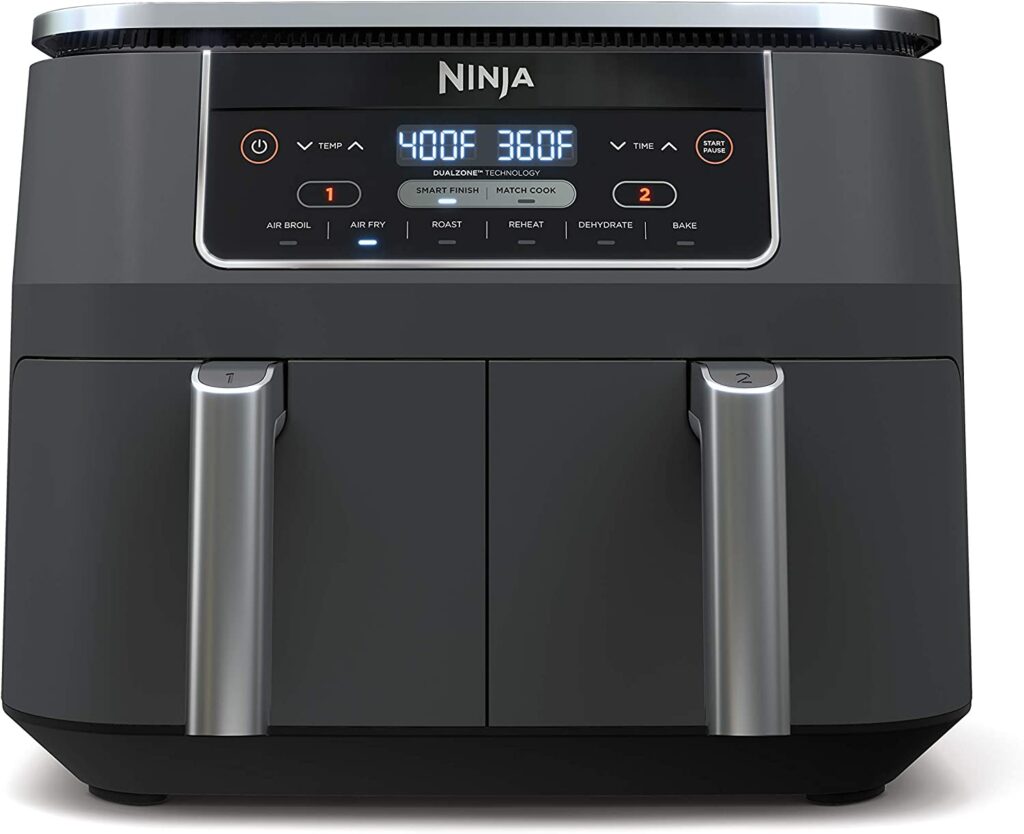
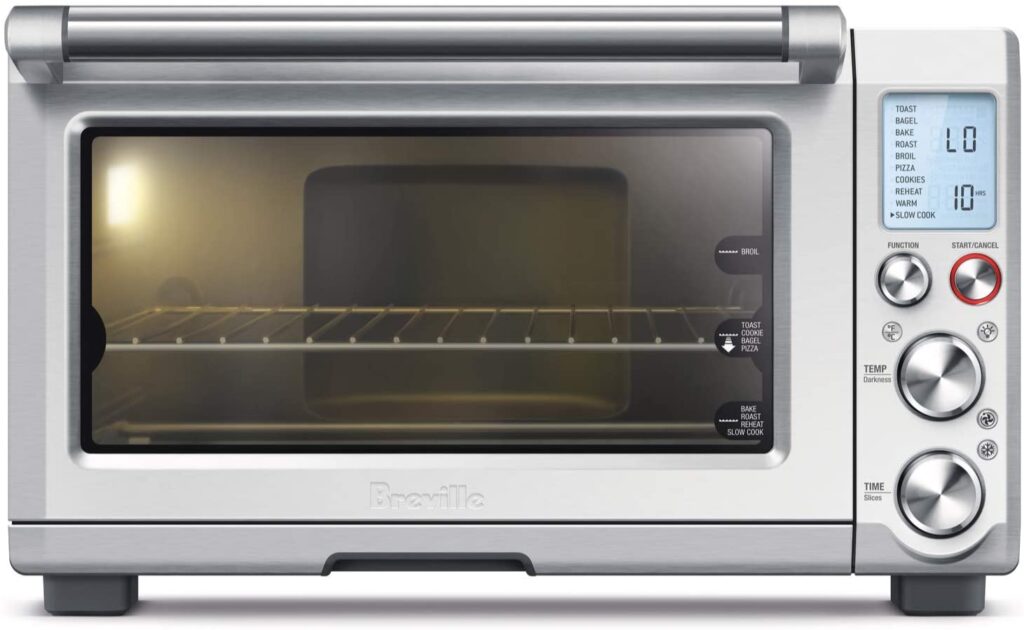
- 7 Can I Do This Without A Slow Cooker?
- 8 Reheating Leftovers In Slow Cooker
- 9 FAQs
- 9.1 Can I Cook A Fully Cooked Smoked Ham In A Slow Cooker?
- 9.2 Do I Need To Add Liquid To The Slow Cooker When Cooking Smoked Ham?
- 9.3 Should I Remove The Skin Or Fat Before Cooking Smoked Ham In A Slow Cooker?
- 9.4 How Long Should I Cook A Smoked Ham In A Slow Cooker?
- 9.5 Can I Use A Glaze When Cooking Smoked Ham In A Slow Cooker?
- 9.6 Do I Need To Cover The Slow Cooker While Cooking Smoked Ham?
- 9.7 Can I Cook A Frozen Smoked Ham In The Slow Cooker?
- 9.8 How Do I Know When The Smoked Ham Is Done In The Slow Cooker?
- 9.9 Can I Add Vegetables When Cooking Smoked Ham In A Slow Cooker?
- 9.10 How Should I Store Leftovers From A Slow-cooked Smoked Ham?
How Long To Cook Smoked Ham In Slow Cooker
Timing is crucial when slow-cooking smoked ham, as overcooking can dry out even the most tender cuts, while undercooking may leave the flavors underdeveloped. Generally, a fully cooked smoked ham requires 2.5 to 4 hours on low heat, depending on its size and shape. A small ham (3-5 pounds) may reach ideal tenderness closer to 2.5 hours, while larger hams (6-8 pounds or more) might need up to 4 hours to ensure heat penetrates evenly. If your slow cooker has a ’high’ setting, you can reduce the cooking time to about 1.5 to 2.5 hours, but low and slow is preferable to preserve the ham’s natural juiciness. Always account for the density of the meat and whether it is bone-in or boneless, as bone-in hams often require slightly longer cooking times for the heat to reach the center.

How To Tell If It Is Done
Unlike raw meats, smoked hams are pre-cooked, so the goal is not to cook through but to warm thoroughly and achieve optimal tenderness. The most reliable method is using a meat thermometer: insert it into the thickest part of the ham, away from the bone, and look for an internal temperature of 140°F (60°C). Another indicator is the texture-when done, the ham should feel tender, moist, and slightly springy when pierced with a fork, with juices glistening on the surface. Additionally, the edges should develop a subtle caramelized hue if a glaze is applied, signaling that the sugars have begun to meld beautifully with the meat. Avoid overcooking; a dry ham is difficult to revive even with sauces or broth.
Ingredients Needed
Creating a slow-cooked smoked ham is versatile, and ingredients can be adjusted based on your desired flavor profile. At its simplest, you need:
- 1 fully cooked smoked ham (bone-in or boneless, 3-8 pounds depending on servings)
- 1 cup liquid (apple cider, pineapple juice, orange juice, or water; helps maintain moisture)
- Glaze or flavorings (optional but recommended): brown sugar, honey, maple syrup, Dijon mustard, cloves, cinnamon sticks, or ginger
- Additional aromatics (optional): sliced onions, garlic cloves, or fresh herbs like rosemary and thyme
These ingredients combine to enhance the smoky, salty richness of the ham, introducing layers of sweet, tangy, or spiced flavors that make slow-cooked ham unforgettable.
How To Cook Smoked Ham In Slow Cooker
- Prepare the ham: Remove any packaging and, if desired, score the surface in a diamond pattern to allow the glaze or spices to penetrate deeply.
- Place in slow cooker: Position the ham flat side down. Add your chosen liquid to the bottom, ensuring it reaches at least halfway up the sides without submerging the ham completely.
- Add glaze and aromatics: Spread your glaze over the ham, nestle aromatics around it, and gently cover.
- Cook low and slow: Set the slow cooker on low for 2.5-4 hours, occasionally basting with juices from the bottom. Avoid removing the lid frequently, as this releases heat and prolongs cooking time.
- Finish for color (optional): If you want a caramelized exterior, transfer the ham to a preheated oven at 425°F for 10-15 minutes, brushing with extra glaze to create a golden crust.
When Things Go Wrong
Even experienced cooks encounter mishaps. Common issues include:
- Dry ham: Usually caused by overcooking or insufficient moisture. Remedy by adding extra liquid and covering tightly, allowing the ham to steam briefly.
- Undercooked warmth: If the ham hasn’t reached 140°F internally, extend cooking in 20-30 minute increments until done.
- Flavor imbalance: Too sweet, too salty, or too tangy? Adjust by diluting with juice or water, or by adding a pinch of salt, sugar, or acid to balance the taste.
Remember, patience is key-slow cookers excel at transforming flavors gradually.
Expert Tips
- Score the ham: Creates pockets for glaze to penetrate and enhances visual appeal.
- Use a water or juice bath: Ensures consistent moisture and prevents the ham from drying out.
- Baste periodically: Helps develop flavor and prevents the exterior from toughening.
- Avoid foil in slow cooker: It can trap acid and alter flavor; better to rely on the lid.
- Let it rest: Once done, cover loosely and rest 10-15 minutes before slicing to allow juices to redistribute.
Can I Do This Without A Slow Cooker?
Absolutely. If a slow cooker isn’t available, you can replicate the process in:
- Oven: Cover the ham with foil and bake at 275-300°F for 2-4 hours, using liquid to maintain moisture.
- Instant Pot / pressure cooker: Use the ’slow cook’ function, or pressure cook for 25-30 minutes for smaller hams, adjusting time for size.
The principle remains the same: gentle, even heating with moisture retention is essential.
Reheating Leftovers In Slow Cooker
Leftover smoked ham can be revived in a slow cooker without losing its tenderness. Slice the ham, place it in the cooker with a splash of liquid (broth, juice, or water), cover, and heat on low for 1-2 hours. This method warms evenly and prevents drying, ensuring the ham retains its juicy texture and smoky flavor, even a day or two after the initial cooking.
FAQs
Can I Cook A Fully Cooked Smoked Ham In A Slow Cooker?
Yes, fully cooked smoked ham can be reheated and flavored in a slow cooker. Slow cooking helps retain moisture and infuses the ham with any glazes or seasonings you add. Typically, it takes 3-4 hours on low heat for a 4-6 pound ham.
Do I Need To Add Liquid To The Slow Cooker When Cooking Smoked Ham?
Yes, adding a small amount of liquid, such as water, broth, apple juice, or a combination, prevents the ham from drying out. About ½ to 1 cup of liquid is usually sufficient for most slow cookers.
Should I Remove The Skin Or Fat Before Cooking Smoked Ham In A Slow Cooker?
It is recommended to leave the skin and some fat on, as it helps retain moisture and adds flavor. You can score the fat in a diamond pattern to allow glazes and seasonings to penetrate.
How Long Should I Cook A Smoked Ham In A Slow Cooker?
Cooking time depends on the size of the ham. For a fully cooked ham, cook on low for 3-5 hours. For larger hams (8-10 pounds), it may take 5-6 hours. Use a meat thermometer to ensure it reaches 140°F internally for ready-to-eat hams.
Can I Use A Glaze When Cooking Smoked Ham In A Slow Cooker?
Yes, applying a glaze enhances flavor. Brush your glaze over the ham before cooking and periodically during the cooking process. Popular glazes include honey, brown sugar, maple syrup, or mustard-based sauces.
Do I Need To Cover The Slow Cooker While Cooking Smoked Ham?
Yes, always keep the lid on during cooking to maintain even heat and moisture. Lifting the lid frequently can increase cooking time and dry out the ham.
Can I Cook A Frozen Smoked Ham In The Slow Cooker?
It is not recommended to cook a fully frozen ham in a slow cooker because it may remain in the temperature ’danger zone’ for too long, increasing the risk of bacterial growth. Thaw the ham in the refrigerator before slow cooking.
How Do I Know When The Smoked Ham Is Done In The Slow Cooker?
Use a meat thermometer to check the internal temperature. For fully cooked ham, it should reach 140°F. For partially cooked ham, it should reach 160°F. The meat should be heated through and tender.
Can I Add Vegetables When Cooking Smoked Ham In A Slow Cooker?
Yes, vegetables like potatoes, carrots, onions, and celery can be added to the slow cooker. Place them under or around the ham so they cook in the ham’s juices and absorb flavor.
How Should I Store Leftovers From A Slow-cooked Smoked Ham?
Allow the ham to cool slightly, then store leftovers in airtight containers in the refrigerator for 3-5 days. For longer storage, slice and freeze portions in freezer-safe bags for up to 2 months.