
How To Cook St Louis Ribs In Slow Cooker [GUIDE]
Few dishes evoke the comfort of home and the indulgence of a barbecue quite like St. Louis ribs. Known for their uniform shape, meaty consistency, and perfect balance of fat and lean meat, St. Louis ribs are a favorite for both novice cooks and seasoned pitmasters. Unlike traditional grilling, which demands careful attention to temperature and timing, cooking ribs in a slow cooker allows the meat to become tender, juicy, and rich in flavor without the stress of constant supervision. The slow, gentle cooking process breaks down connective tissue and renders fat, producing ribs that practically melt in your mouth. This method is particularly valuable for those seeking a convenient, hands-off approach while still achieving a restaurant-quality result.
Contents
- 1 How Long To Cook St. Louis Ribs In Slow Cooker
- 2 How To Tell If It Is Done
- 3 Ingredients Needed
- 4 How To Cook St. Louis Ribs In Slow Cooker
- 5 When Things Go Wrong
- 6 Expert Tips
- 7 Can I Do This Without A Slow Cooker?
- 8 Reheating Leftovers In Slow Cooker
- 9 FAQs
- 9.1 What Are St. Louis Ribs And How Are They Different From Baby Back Ribs?
- 9.2 Do I Need To Remove The Membrane From St. Louis Ribs Before Slow Cooking?
- 9.3 What Kind Of Seasoning Or Rub Works Best For Slow-cooked St. Louis Ribs?
- 9.4 How Much Liquid Should I Add To The Slow Cooker When Cooking St. Louis Ribs?
- 9.5 Should I Cover The Ribs With Sauce Before Slow Cooking Or After?
- 9.6 How Long Should I Cook St. Louis Ribs In A Slow Cooker?
- 9.7 Can I Cook St. Louis Ribs Frozen In A Slow Cooker?
- 9.8 How Can I Make The Ribs More Tender After Slow Cooking?
- 9.9 Can I Freeze Slow-cooked St. Louis Ribs?
- 9.10 What Side Dishes Pair Well With Slow-cooked St. Louis Ribs?
How Long To Cook St. Louis Ribs In Slow Cooker
Timing is critical when cooking ribs in a slow cooker. Typically, St. Louis ribs require 6-8 hours on low heat or 3-4 hours on high heat. These ribs are thick and contain a fair amount of connective tissue, so cooking them slowly allows the collagen to break down, creating tender, flavorful meat. Cooking them too quickly or on excessively high heat can result in dry or stringy ribs. It’s also important to note that the size and thickness of the ribs can affect cooking time; larger racks may require an additional 30-60 minutes to reach optimal tenderness.
How To Tell If It Is Done
Determining doneness for St. Louis ribs is less about exact temperature and more about texture and flexibility. The ribs are done when:
- Meat pulls away from the bone slightly: When gently tugged, the meat should start to separate from the bones without falling apart completely.
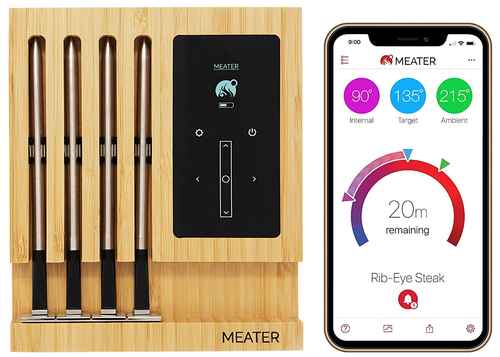
- Internal temperature reaches 190-203°F (88-95°C): While lower temperatures will cook the ribs, this range ensures the connective tissue has melted into gelatin, producing the characteristic tenderness.
- Bones bend slightly: Hold the rib rack from one end; a slight bend without snapping indicates proper doneness.
Visual cues combined with temperature checks will give you the most reliable result.
Ingredients Needed
Cooking St. Louis ribs in a slow cooker requires a balance of aromatics, seasoning, and moisture. Here’s a comprehensive list:
- 1-2 racks of St. Louis ribs (about 2-3 pounds per rack)
- Dry rub: salt, black pepper, smoked paprika, garlic powder, onion powder, cayenne pepper, brown sugar
- Liquid for slow cooking: ½ cup apple cider, apple juice, or chicken broth
- Barbecue sauce: homemade or store-bought for finishing
- Optional aromatics: sliced onions, garlic cloves, or a few sprigs of fresh herbs (thyme, rosemary)
These ingredients balance flavor and moisture, ensuring tender ribs infused with rich seasoning.
How To Cook St. Louis Ribs In Slow Cooker
- Prepare the ribs: Remove the silver skin (thin membrane) from the back of the ribs for better texture and seasoning penetration. Cut the rack into manageable portions if necessary.
- Apply the dry rub: Massage your seasoning mix evenly across both sides of the ribs. Allowing the rub to sit for 30 minutes or even overnight in the fridge enhances flavor.
- Layer aromatics (optional): Place sliced onions or garlic in the bottom of the slow cooker for added flavor.
- Arrange ribs in slow cooker: Stand the ribs upright or stack them slightly overlapping to fit. Pour in the liquid to cover the bottom, but not submerge the ribs.
- Cook low and slow: Cover and cook on low for 6-8 hours or high for 3-4 hours.
- Finish with barbecue sauce: For a caramelized glaze, brush sauce on the ribs and broil in the oven for 5-7 minutes or use a hot skillet to sear briefly.
When Things Go Wrong
Even slow cooker recipes can go off-track. Common issues include:
- Ribs are tough: Usually a sign of undercooking. Increase cooking time in 30-60 minute increments on low until tender.
- Ribs are mushy: Overcooking can cause the meat to disintegrate. Always check 30 minutes before the minimum suggested cooking time.
- Flavor is bland: Ensure the rub is well-seasoned and the slow cooker has some liquid for moisture. A finishing sauce can help salvage under-seasoned ribs.
Expert Tips
- Marinate for maximum flavor: A 2-4 hour marinade or overnight dry rub intensifies taste.
- Use the right liquid: Avoid too much water. Broth, juice, or beer adds complementary flavors.
- Layering counts: Place fatty sides facing down to baste the meat as it cooks.
- Finish in the oven or grill: Slow cooker ribs benefit from a quick broil to caramelize the sauce and create that authentic barbecue crust.
Can I Do This Without A Slow Cooker?
Yes, slow-cooked ribs can be adapted to oven or stovetop methods:
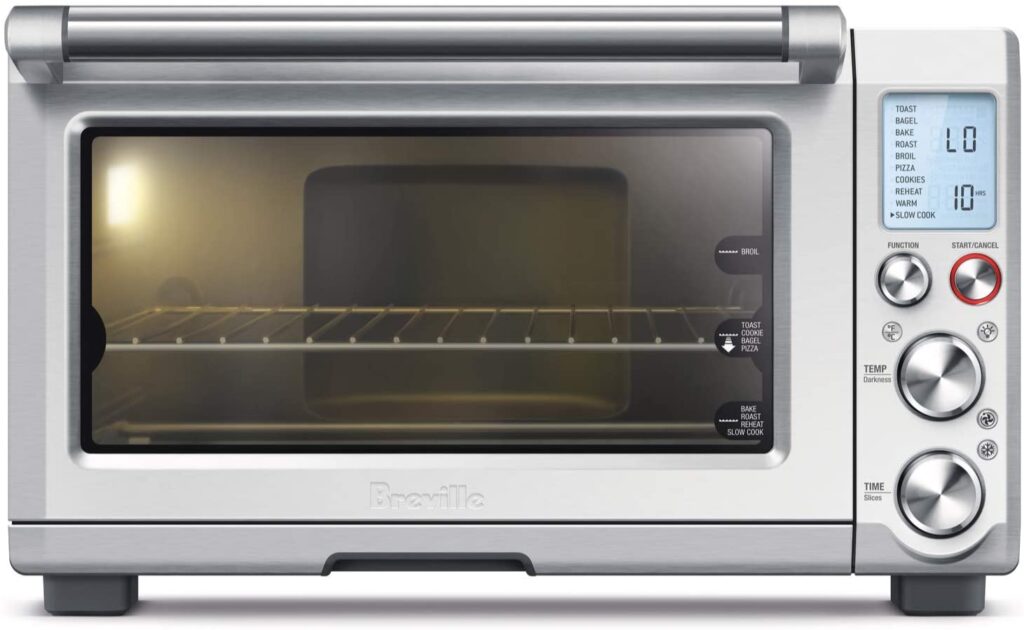
- Oven method: Wrap ribs tightly in foil, bake at 275°F (135°C) for 2.5-3 hours. Finish with sauce under a broiler.
- Stovetop method: Use a heavy-bottomed pot with a tight lid; simmer over low heat for 2.5-3 hours, occasionally basting.
The principle is slow, moist cooking to break down connective tissue.
Reheating Leftovers In Slow Cooker
Reheating ribs in a slow cooker preserves tenderness better than a microwave:
- Place leftover ribs in the slow cooker.
- Add a splash of liquid or sauce to maintain moisture.
- Heat on low for 1-2 hours or until warmed through.
- Optionally, finish under a broiler for a few minutes to restore caramelization.
Avoid reheating on high too long, as it can dry out the meat.
FAQs
What Are St. Louis Ribs And How Are They Different From Baby Back Ribs?
St. Louis ribs are a cut of pork ribs that come from the belly side of the rib cage, below the back ribs. They are flatter, meatier, and have more connective tissue than baby back ribs, making them ideal for slow cooking methods like a slow cooker.
Do I Need To Remove The Membrane From St. Louis Ribs Before Slow Cooking?
Yes, removing the thin, tough membrane from the back of the ribs is recommended. It allows seasonings and sauces to penetrate better and ensures the ribs cook more evenly, resulting in a tender texture.
What Kind Of Seasoning Or Rub Works Best For Slow-cooked St. Louis Ribs?
A dry rub combining salt, black pepper, paprika, garlic powder, onion powder, and brown sugar works well. The sugar helps caramelize during finishing, while the spices add depth of flavor. You can also add a touch of cayenne for heat.
How Much Liquid Should I Add To The Slow Cooker When Cooking St. Louis Ribs?
Add about ½ to 1 cup of liquid, such as water, broth, apple juice, or a combination, depending on your slow cooker size. The liquid helps maintain moisture and creates a flavorful base for the ribs without making them soggy.
Should I Cover The Ribs With Sauce Before Slow Cooking Or After?
It’s best to slow cook the ribs without sauce initially to allow the meat to become tender. Add barbecue sauce during the last 30-60 minutes of cooking or brush it on after cooking when finishing under a broiler or grill for a caramelized texture.
How Long Should I Cook St. Louis Ribs In A Slow Cooker?
Cook the ribs on low for 6-8 hours or on high for 3-4 hours. Cooking low and slow ensures the connective tissue breaks down, making the ribs tender and flavorful.
Can I Cook St. Louis Ribs Frozen In A Slow Cooker?
It is not recommended to cook ribs from frozen in a slow cooker, as it can lead to uneven cooking and food safety issues. Thaw the ribs completely in the refrigerator before slow cooking.
How Can I Make The Ribs More Tender After Slow Cooking?
After slow cooking, you can finish the ribs under a broiler or on a grill for 5-10 minutes to caramelize the sauce. This adds flavor and a slightly crisp exterior while keeping the meat tender.
Can I Freeze Slow-cooked St. Louis Ribs?
Yes, slow-cooked ribs can be frozen. Allow them to cool completely, wrap tightly in plastic wrap or foil, and place in an airtight container or freezer bag. They can be frozen for up to 3 months. Reheat gently to maintain tenderness.
What Side Dishes Pair Well With Slow-cooked St. Louis Ribs?
Classic sides include coleslaw, baked beans, cornbread, potato salad, and roasted or grilled vegetables. These complement the richness of the ribs while providing variety in texture and flavor.