
How To Cook Stuffed Peppers In Slow Cooker [GUIDE]
Stuffed peppers are a classic comfort food that combine sweet, tender bell peppers with a savory filling of meat, rice, vegetables, and spices. Traditionally baked in the oven, stuffed peppers can also be slow-cooked, allowing the flavors to meld over hours, creating a moist, flavorful dish that’s both satisfying and convenient. Slow cooking transforms the peppers into perfectly tender vessels that soak up the juices from the filling while maintaining their shape. The gentle, even heat of a slow cooker ensures that the filling cooks thoroughly without the risk of burning or drying out, making it an ideal method for busy home cooks who want a hands-off yet flavorful meal.
Contents
- 1 How Long To Cook Stuffed Peppers In Slow Cooker
- 2 How To Tell If It Is Done
- 3 Ingredients Needed
- 4 How To Cook Stuffed Peppers In Slow Cooker
- 5 When Things Go Wrong
- 6 Expert Tips
- 7 Can I Do This Without A Slow Cooker?
- 8 Reheating Leftovers In Slow Cooker
- 9 FAQs
- 9.1 Can I Use Any Type Of Bell Pepper For Slow Cooker Stuffed Peppers?
- 9.2 Do I Need To Pre-cook The Filling Before Placing It In The Peppers?
- 9.3 How Do I Prevent Stuffed Peppers From Becoming Soggy In The Slow Cooker?
- 9.4 What Is The Ideal Cooking Time For Stuffed Peppers In A Slow Cooker?
- 9.5 Can I Freeze Stuffed Peppers Before Or After Cooking?
- 9.6 What Types Of Fillings Work Best For Slow Cooker Stuffed Peppers?
- 9.7 Do I Need To Cover The Slow Cooker While Cooking Stuffed Peppers?
- 9.8 Can I Add Cheese On Top Of Stuffed Peppers In The Slow Cooker?
- 9.9 How Do I Know When Stuffed Peppers Are Fully Cooked?
- 9.10 Can I Cook Stuffed Peppers In A Slow Cooker Without Tomato Sauce?
How Long To Cook Stuffed Peppers In Slow Cooker
Cooking times for stuffed peppers in a slow cooker depend on the size of the peppers, the type of filling, and the temperature setting of the slow cooker. Generally:
- Low setting: 6 to 8 hours
- High setting: 3 to 4 hours
Larger peppers, such as bell peppers, typically take longer to become tender, while smaller peppers or peppers that have been partially pre-cooked will require less time. If your filling contains uncooked rice, aim for the longer cooking time on low, as this allows the rice to fully absorb liquid and cook evenly without turning mushy. Conversely, if you’re using pre-cooked grains, the cooking time can be slightly reduced to avoid overcooking.
How To Tell If It Is Done
Determining when stuffed peppers are fully cooked involves both the texture of the peppers and the doneness of the filling:
- Pepper tenderness: The pepper should be soft enough to pierce easily with a fork but not so soft that it collapses. A slight firmness at the core ensures they hold their shape.
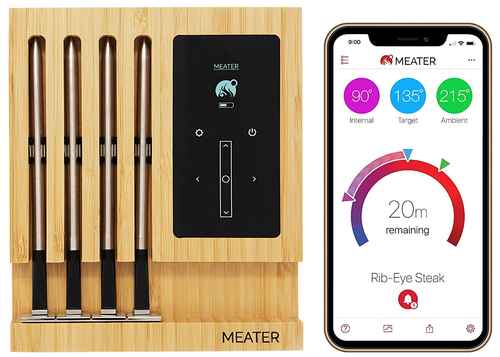
- Filling temperature: If the filling includes meat, use a food thermometer to check that it has reached at least 165°F (74°C) for poultry or 160°F (71°C) for beef or pork.
- Juices: The juices at the bottom of the slow cooker should be simmering and well-incorporated with the filling, indicating thorough cooking.
Ingredients Needed
For a standard stuffed pepper recipe in the slow cooker, you will need:
- 4 large bell peppers (red, yellow, or green)
- 1 pound ground meat (beef, turkey, chicken, or a combination)
- 1 cup cooked rice (or substitute with quinoa or couscous)
- 1 small onion, finely chopped
- 2 cloves garlic, minced
- 1 cup canned diced tomatoes
- 1/2 cup tomato sauce
- 1 teaspoon salt
- 1/2 teaspoon black pepper
- 1 teaspoon dried oregano or Italian seasoning
- 1/2 cup shredded cheese (optional, for topping)
- Olive oil (for sautéing, optional)
Optional variations include adding beans, corn, mushrooms, or spices such as paprika or chili flakes for extra flavor.
How To Cook Stuffed Peppers In Slow Cooker
- Prepare the peppers: Cut the tops off the bell peppers and remove the seeds and membranes. If desired, blanch the peppers in boiling water for 2-3 minutes to soften slightly.
- Make the filling: In a skillet, sauté onion and garlic in olive oil until fragrant. Add ground meat and cook until browned. Mix in rice, tomatoes, tomato sauce, and seasonings. Stir thoroughly.
- Stuff the peppers: Fill each pepper generously with the prepared mixture, pressing down lightly to ensure even filling. Place the stuffed peppers upright in the slow cooker.
- Cook: Pour 1/2 cup of water or broth into the bottom of the slow cooker to create steam. Cover and cook on low for 6-8 hours or on high for 3-4 hours.
- Optional finishing touch: During the last 15-20 minutes of cooking, sprinkle shredded cheese over the tops of the peppers and allow it to melt.
When Things Go Wrong
Even slow cookers can occasionally produce imperfect stuffed peppers. Common issues include:
- Mushy peppers: Overcooking, especially on high heat, can make peppers collapse. Reduce cooking time or partially cook peppers before stuffing.
- Undercooked filling: If the rice or meat is raw, increase cooking time or pre-cook ingredients slightly before stuffing.
- Soggy bottom: Too much liquid at the base can make the peppers soggy. Use minimal liquid and avoid stirring the peppers during cooking.
- Falling apart: Ensure peppers are upright and packed snugly so they don’t tip over during cooking.
Expert Tips
- Use bell peppers with sturdy walls to prevent splitting.
- Pre-cooking rice slightly can prevent overcooked, mushy grains.
- Brown meat before mixing with other ingredients to add depth of flavor.
- Layer additional flavor by adding a slice of tomato or a sprinkle of Parmesan inside each pepper before stuffing.
- If using frozen peppers, thaw them first to avoid excess water during slow cooking.
Can I Do This Without A Slow Cooker?
Yes, stuffed peppers can be cooked in the oven or on the stovetop:
- Oven method: Preheat oven to 375°F (190°C). Place stuffed peppers in a baking dish, cover with foil, and bake for 35-45 minutes. Remove foil in the last 10 minutes to brown the tops.
- Stovetop method: Use a deep skillet with a lid. Add 1/2 inch of water or broth to the bottom, cover, and simmer gently for 30-40 minutes.
While these methods work, the slow cooker offers unparalleled convenience, especially for hands-off cooking over several hours.
Reheating Leftovers In Slow Cooker
Leftover stuffed peppers can be reheated gently in a slow cooker:
- Place peppers in the slow cooker and add a small splash of broth or tomato sauce to maintain moisture.
- Cover and reheat on low for 1-2 hours or until warmed through.
- Avoid high heat, which can overcook the peppers and dry out the filling.
Leftovers can also be reheated in the microwave or oven if preferred, but the slow cooker ensures even warming without additional drying.
FAQs
Can I Use Any Type Of Bell Pepper For Slow Cooker Stuffed Peppers?
Yes, you can use green, red, yellow, or orange bell peppers. Red and yellow peppers are sweeter, while green peppers have a slightly more bitter flavor. Make sure to choose peppers that are firm and have a uniform shape for even cooking and easy stuffing.
Do I Need To Pre-cook The Filling Before Placing It In The Peppers?
It is recommended to partially cook the filling, especially if it contains raw meat or grains, to ensure even cooking in the slow cooker. Pre-cooking also enhances the flavors and prevents undercooked fillings.
How Do I Prevent Stuffed Peppers From Becoming Soggy In The Slow Cooker?
To avoid soggy peppers, avoid adding excessive liquid to the slow cooker. You can also line the bottom with a thin layer of tomato sauce or broth and cook the peppers on low heat, which helps maintain their structure.
What Is The Ideal Cooking Time For Stuffed Peppers In A Slow Cooker?
Cooking times vary depending on the size of the peppers and the type of filling. Typically, cook on low for 6-8 hours or on high for 3-4 hours. The peppers should be tender but not falling apart.
Can I Freeze Stuffed Peppers Before Or After Cooking?
Yes, stuffed peppers can be frozen. For best results, freeze them uncooked in a single layer, then cook them directly from frozen in the slow cooker with an extended cooking time. You can also freeze cooked stuffed peppers, but their texture may be slightly softer after reheating.
What Types Of Fillings Work Best For Slow Cooker Stuffed Peppers?
Common fillings include ground meat, rice, quinoa, beans, vegetables, and cheeses. Seasonings such as garlic, onions, herbs, and tomato sauce enhance the flavor. Choose fillings that cook evenly over several hours.
Do I Need To Cover The Slow Cooker While Cooking Stuffed Peppers?
Yes, always cover the slow cooker while cooking. This traps steam, which helps cook the peppers evenly and prevents the filling from drying out.
Can I Add Cheese On Top Of Stuffed Peppers In The Slow Cooker?
Yes, but it’s best to add cheese during the last 30 minutes of cooking. Adding it too early may cause the cheese to become overly greasy or separate from the filling.
How Do I Know When Stuffed Peppers Are Fully Cooked?
The peppers are fully cooked when they are tender but still hold their shape, and the internal filling reaches a safe temperature (165°F / 74°C if it contains meat). You can check tenderness by inserting a fork into the pepper.
Can I Cook Stuffed Peppers In A Slow Cooker Without Tomato Sauce?
Yes, you can use other liquids such as broth, salsa, or a mixture of vegetables. However, some liquid is necessary to create steam for even cooking and to keep the peppers moist. Adjust seasonings accordingly to maintain flavor.