
How To Cook Top Round Roast In Slow Cooker [GUIDE]
The top round roast, often referred to as the ’London Broil cut’ in supermarkets, is a lean and flavorful cut of beef that comes from the rear leg of the cow. Unlike fattier cuts such as ribeye or chuck, the top round is relatively low in fat, which means it benefits immensely from slow, moist cooking methods that tenderize the meat and infuse it with flavor. Enter the slow cooker-a humble kitchen appliance that transforms even the toughest cuts into succulent, fork-tender roasts. Cooking a top round roast in a slow cooker allows the connective tissue to break down gradually, resulting in a juicy, aromatic meal without the need for constant attention. This method is perfect for home cooks who want a hearty, comforting dinner waiting for them after a busy day.
Contents
- 1 How Long To Cook Top Round Roast In Slow Cooker
- 2 How To Tell If It Is Done
- 3 Ingredients Needed
- 4 How To Cook Top Round Roast In Slow Cooker
- 5 When Things Go Wrong
- 6 Expert Tips
- 7 Can I Do This Without A Slow Cooker?
- 8 Reheating Leftovers In Slow Cooker
- 9 FAQs
- 9.1 What Is The Best Way To Prepare A Top Round Roast For The Slow Cooker?
- 9.2 How Much Liquid Should I Add To A Slow Cooker When Cooking Top Round Roast?
- 9.3 What Temperature Setting Should I Use On The Slow Cooker For Top Round Roast?
- 9.4 Do I Need To Cover The Slow Cooker While Cooking A Top Round Roast?
- 9.5 Can I Add Vegetables When Cooking A Top Round Roast In A Slow Cooker?
- 9.6 How Do I Know When The Top Round Roast Is Fully Cooked In A Slow Cooker?
- 9.7 Should I Sear The Roast Before Slow Cooking?
- 9.8 Can I Use Marinades Or Sauces With My Top Round Roast In A Slow Cooker?
- 9.9 How Can I Make The Top Round Roast More Tender In The Slow Cooker?
- 9.10 Can Leftovers From A Slow-cooked Top Round Roast Be Stored And Reheated Safely?
How Long To Cook Top Round Roast In Slow Cooker
Time and temperature are crucial when slow-cooking a lean cut like top round. Cooking too quickly can make the meat tough, while cooking too slowly risks drying it out. The general guideline is:
- Low heat: 8-10 hours
- High heat: 4-6 hours
These times can vary slightly depending on the size of the roast, the exact model of slow cooker, and whether you add vegetables or liquids that may alter cooking time. A smaller roast (around 2-3 pounds) might be done closer to 7-8 hours on low, whereas a larger 4-5 pound roast could need the full 10 hours. Slow cookers differ in actual heat output, so these times are approximations rather than absolutes. Using a combination of time, visual cues, and internal temperature readings ensures the best results.
How To Tell If It Is Done
Top round roast, being lean, is best enjoyed medium-rare to medium for optimal tenderness and juiciness, though slow cooking often leads to medium-well when cooked low and slow. Here are the key ways to check doneness:
-
Internal Temperature
- Medium-rare: 130-135°F (54-57°C)
- Medium: 140-145°F (60-63°C)
- Medium-well: 150-155°F (66-68°C)
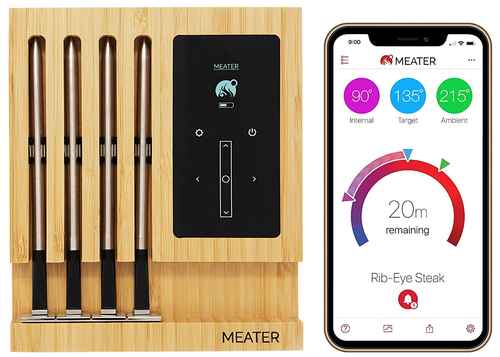
Insert a meat thermometer into the thickest part of the roast without touching bone or fat.
-
Fork Test
The roast should easily pull apart with a fork. Lean cuts like top round need this test because visual cues alone can be misleading.
-
Juices
Clear juices running out of the roast indicate thorough cooking. Pink or red juices mean it needs more time.
Patience is key: lifting the lid repeatedly can prolong cooking time, as slow cookers rely on trapped steam for heat.
Ingredients Needed
For a simple, flavorful slow-cooked top round roast, you will need:
- Top round roast: 2-5 pounds, trimmed of excess fat
- Salt and pepper: To season generously
- Garlic: 3-4 cloves, minced or smashed
- Onion: 1 large, sliced or quartered
- Carrots: 3-4, cut into chunks
- Celery: 2-3 stalks, cut into chunks
- Beef broth or stock: 1-2 cups, to provide moisture and flavor
- Olive oil or butter: 1-2 tablespoons for searing
- Herbs: Fresh or dried rosemary, thyme, or bay leaves for aromatics
- Optional extras: Worcestershire sauce, red wine, mushrooms, potatoes
The beauty of slow cooking is the flexibility-these ingredients can be adjusted to taste or pantry availability, but the basics listed above will guarantee a flavorful roast.
How To Cook Top Round Roast In Slow Cooker
Step 1: Prepare The Roast
Pat the meat dry with paper towels. Season generously with salt and pepper, and, if desired, rub in garlic and herbs.
Step 2: Sear (optional But Recommended)
In a hot skillet, sear the roast on all sides in olive oil or butter until browned. This step creates additional flavor through the Maillard reaction and can give the finished dish a richer depth.
Step 3: Prepare Vegetables
Place carrots, celery, and onions at the bottom of the slow cooker. These act as a natural rack for the roast, allowing heat to circulate evenly while absorbing the meat’s juices.
Step 4: Add Liquids
Pour in beef broth, wine, or a combination. The liquid should come up at least halfway on the roast but not fully submerge it-this prevents the meat from stewing rather than slow-cooking.
Step 5: Slow Cook
Cover and cook on low for 8-10 hours or high for 4-6 hours, depending on your schedule. Avoid lifting the lid frequently.
Step 6: Rest The Roast
Once done, remove the roast and let it rest for 10-15 minutes before slicing against the grain. This allows juices to redistribute, ensuring each bite is moist.
When Things Go Wrong
Even with a slow cooker, things can go sideways:
- Dry or tough meat: Likely due to undercooking on low heat or overcooking on high heat. Ensure proper time and check for moisture. Consider adding more liquid next time or covering with foil during cooking.
- Flavorless roast: Not enough seasoning or aromatics. Always season generously and consider using broth, wine, or a splash of Worcestershire for depth.
- Burnt or scorched vegetables: This can happen if the slow cooker is too small or the liquid level is too low. Make sure vegetables are at the bottom and add sufficient liquid.
Slow cooking is forgiving, but attention to seasoning, liquid, and size ratios is essential.
Expert Tips
- Sear for flavor: Even a lean roast develops more complexity if browned first.
- Cut against the grain: Top round fibers are long; slicing against the grain ensures tenderness.
- Use the right liquid: Acidic liquids like wine or tomato-based sauces can help break down muscle fibers.
- Avoid lid lifting: Each peek releases heat and lengthens cooking time.
- Herbs: Fresh herbs can be added toward the end to maintain bright flavors; dried herbs can go in at the beginning.
Can I Do This Without A Slow Cooker?
Yes. You can replicate slow-cooker results in the oven or on the stovetop:
- Oven: Preheat to 275°F (135°C). Brown the roast, place it in a covered Dutch oven with vegetables and liquid, and cook for 3-5 hours, depending on size.
- Stovetop: Use a heavy-bottomed pot, cover, and simmer gently on the lowest heat for several hours. Stir occasionally and check moisture levels.
Both methods require more attention than a slow cooker but yield similar tenderness.
Reheating Leftovers In Slow Cooker
Leftover top round roast can be gently reheated in a slow cooker without drying out:
- Slice or cube the roast for quicker heating.
- Add a small amount of broth or gravy to keep moisture.
- Set the slow cooker on low for 1-2 hours or until heated through.
- Stir occasionally to prevent sticking or uneven heating.
Avoid high heat for reheating, as this can toughen the meat.
FAQs
What Is The Best Way To Prepare A Top Round Roast For The Slow Cooker?
Trim excess fat from the roast and season it generously with salt, pepper, and other herbs or spices. Searing the roast in a hot pan before placing it in the slow cooker can enhance flavor and create a richer color.
How Much Liquid Should I Add To A Slow Cooker When Cooking Top Round Roast?
Add about 1 to 2 cups of broth, water, or a combination of liquid ingredients. The liquid should cover the bottom of the slow cooker but does not need to submerge the roast completely, as the slow cooker will trap moisture.
What Temperature Setting Should I Use On The Slow Cooker For Top Round Roast?
Use the low setting for tender, juicy results. Cooking on low for 8 to 10 hours allows the connective tissue to break down, resulting in a more flavorful roast. High setting can be used for 4 to 6 hours if you are short on time.
Do I Need To Cover The Slow Cooker While Cooking A Top Round Roast?
Yes, always cook with the lid on. Removing the lid releases heat and moisture, extending cooking time and potentially drying out the meat.
Can I Add Vegetables When Cooking A Top Round Roast In A Slow Cooker?
Yes, root vegetables like carrots, potatoes, and onions are ideal. Place them at the bottom of the slow cooker to ensure even cooking and to allow them to absorb the roast’s juices.
How Do I Know When The Top Round Roast Is Fully Cooked In A Slow Cooker?
Use a meat thermometer to check the internal temperature. For medium doneness, aim for 135-140°F; for well-done, 155-160°F. Slow cooking usually yields tender meat even if the internal temperature is slightly lower than conventional roasting.
Should I Sear The Roast Before Slow Cooking?
Searing is optional but recommended. It locks in flavor, adds a caramelized crust, and enhances the overall taste of the dish.
Can I Use Marinades Or Sauces With My Top Round Roast In A Slow Cooker?
Yes, marinades and sauces can be added before or during cooking. They infuse the meat with flavor. Be mindful of sugar content, as high-sugar sauces may burn or thicken too much over long cooking times.
How Can I Make The Top Round Roast More Tender In The Slow Cooker?
Cook it low and slow, ideally on the low setting for 8 to 10 hours. Adding acidic ingredients like tomatoes, vinegar, or wine can help break down tough fibers. Avoid overcooking beyond recommended time, as the meat may dry out.
Can Leftovers From A Slow-cooked Top Round Roast Be Stored And Reheated Safely?
Yes, store leftovers in an airtight container in the refrigerator for up to 3-4 days. Reheat gently on low heat or in the microwave to avoid drying out the meat. Leftover meat can also be used in sandwiches, soups, or stews.