
How To Cook Turkey Tenderloin In Slow Cooker [GUIDE]
Turkey tenderloin is one of the most approachable cuts of poultry you can cook at home: lean, mild, tender, and remarkably forgiving when prepared with slow, gentle heat. The slow cooker excels here because it preserves moisture, infuses flavor, and eliminates the risk of drying out a lean cut. Whether you plan to shred the turkey for sandwiches, slice it for dinner, or use it as a base for meal prep, cooking turkey tenderloin in a slow cooker is an economical and dependable method. This guide explains timing, technique, troubleshooting, and expert refinements so you can achieve consistently excellent results.
Contents
- 1 How Long To Cook Turkey Tenderloin In Slow Cooker
- 2 How To Tell If It Is Done
- 3 Ingredients Needed
- 4 How To Cook Turkey Tenderloin In Slow Cooker
- 5 When Things Go Wrong
- 6 Expert Tips
- 7 Can I Do This Without A Slow Cooker?
- 8 Reheating Leftovers In Slow Cooker
- 9 FAQs
- 9.1 What Is The Best Way To Prepare Turkey Tenderloin For The Slow Cooker?
- 9.2 How Long Should I Cook Turkey Tenderloin In A Slow Cooker?
- 9.3 Can I Add Vegetables To The Slow Cooker With Turkey Tenderloin?
- 9.4 Should I Add Liquid To The Slow Cooker When Cooking Turkey Tenderloin?
- 9.5 Can I Use Frozen Turkey Tenderloin In A Slow Cooker?
- 9.6 How Can I Make Turkey Tenderloin Moist In The Slow Cooker?
- 9.7 What Seasonings Or Marinades Work Best For Slow-cooked Turkey Tenderloin?
- 9.8 Can I Cook Multiple Turkey Tenderloins Together In One Slow Cooker?
- 9.9 How Do I Know When The Turkey Tenderloin Is Fully Cooked In A Slow Cooker?
- 9.10 Can I Store And Reheat Leftovers Of Slow-cooked Turkey Tenderloin?
How Long To Cook Turkey Tenderloin In Slow Cooker
Cooking times will vary slightly based on the model of your slow cooker, size of the tenderloins, and whether you are cooking one or two pieces. However, the following times are accurate for most standard 5-7 quart slow cookers:
On Low
- 3.5 to 4.5 hours for tender, fully cooked turkey that remains moist
- Up to 5 hours if cooking two very thick tenderloins or if your slow cooker runs cool
On High
- 2 to 2.5 hours for a properly cooked result
- Avoid exceeding 3 hours, or the turkey risks drying out at the edges
Lean cuts like turkey tenderloin benefit from low, steady heat; therefore, the Low setting is preferred for tenderness and moisture retention.
How To Tell If It Is Done
Turkey tenderloin does not have the built-in textural indicators that fattier meats do, so it is essential to use objective markers of doneness.
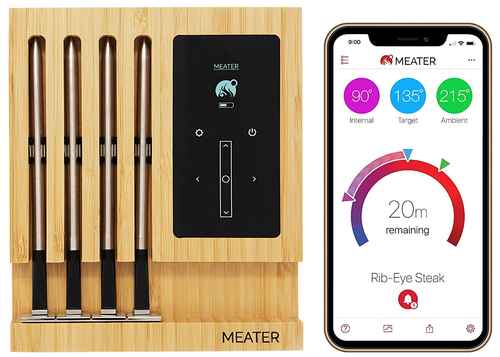
Use A Meat Thermometer
- Insert into the thickest part of the tenderloin.
- The internal temperature must reach 165°F (74°C) for safe consumption.
Visual Indicators
- The meat should be opaque throughout, with no translucent or overly glossy sections.
- Juices should run clear rather than pink or rosy.
Textural Indicators
- When gently pressed with the back of a spoon or tongs, the tenderloin should feel firm yet yielding, not rigid.
- It should slice easily without crumbling or shredding unless you intentionally cooked it longer for pulled turkey.
Ingredients Needed
The following list assumes a classic, well-balanced flavor profile designed to complement the natural mildness of turkey tenderloin. You may tailor seasonings, but these ingredients deliver consistent results:
Protein
- 1 to 2 turkey tenderloins (about 1 to 1.5 pounds total)
Seasonings
- Salt
- Black pepper
- Garlic powder or fresh minced garlic
- Onion powder
- Paprika (smoked or sweet)
- Dried thyme, rosemary, or sage
Liquids
- 1 cup low-sodium chicken broth, turkey broth, or water
- Optional: 1 tablespoon Worcestershire sauce or soy sauce for deeper savory flavor
- Optional: 1 tablespoon olive oil or melted butter to enrich the lean meat
Add-Ins (Optional)
- Sliced onions
- Carrots or celery for extra aromatics
- A small amount of balsamic vinegar, lemon juice, or mustard for brightness
How To Cook Turkey Tenderloin In Slow Cooker
Below is a clear, structured method to ensure consistently tender results:
-
Prepare The Tenderloin
Pat the turkey dry with paper towels. This allows seasonings to stick and prevents steaming at the surface.
-
Season Generously
Combine salt, pepper, garlic powder, onion powder, paprika, and herbs. Rub the mixture all over the tenderloins. A thorough seasoning step ensures deeper flavor.
-
Layer Aromatics (Optional)
Place onions or vegetables at the bottom of the slow cooker. This raises the tenderloin slightly and infuses flavor.
-
Add The Tenderloin
Lay the seasoned turkey on top of the vegetables or directly on the bottom if you aren’t using aromatics.
-
Add The Liquid
Pour broth and any optional flavor boosters around the sides, not directly on top of the meat, to avoid washing off seasonings.
-
Cook On Low Or High
- Low for 3.5-4.5 hours
- High for 2-2.5 hours
-
Check Temperature
Use a thermometer to ensure the internal temperature has reached 165°F.
-
Rest Before Slicing
Remove the tenderloin and let it rest for 10 minutes. Resting allows juices to redistribute, preventing dryness.
-
Optional Sauce Or Gravy
The liquid left in the slow cooker can be thickened into a gravy using a cornstarch slurry.
When Things Go Wrong
Even simple recipes can run into complications. Here are common issues and solutions:
Problem: The Turkey Is Dry
- Likely overcooked. Reduce cooking time next time or use the Low setting.
- Add a small amount of olive oil or butter before cooking to enrich the lean meat.
- Slice thinly and serve with gravy to restore moisture.
Problem: The Tenderloin Is Tough
- Under or overcooking can cause toughness.
- Ensure you reach 165°F, but avoid exceeding it significantly.
- Allow adequate resting time.
Problem: Bland Flavor
- Increase seasoning quantities.
- Add a flavor base such as Worcestershire, soy sauce, balsamic vinegar, or herbs.
- Ensure seasonings are rubbed directly onto the meat.
Problem: Too Much Liquid In The Slow Cooker
- Turkey releases moisture as it cooks.
- To fix this, transfer some liquid to a pan and reduce it on the stove, or thicken it with a slurry.
Expert Tips
- Sear for added flavor: Briefly pan-sear the tenderloin before slow cooking to build a caramelized crust and deepen the flavor profile.
- Use whole herbs wisely: Rosemary and thyme sprigs infuse excellent aroma but should be removed before serving.
- Do not lift the lid: Opening the slow cooker can add 20-30 minutes to the total cooking time.
- Brining helps: A short brine (30-60 minutes) improves juiciness and seasoning penetration.
- Let the meat rest: Resting prevents juices from flooding the cutting board instead of staying in the meat.
Can I Do This Without A Slow Cooker?
Yes. Turkey tenderloin can be cooked successfully using several alternative methods:
Oven Method
- Preheat to 350°F (177°C).
- Season as usual and place in a baking dish.
- Add ¼ cup broth to the dish.
- Bake for 35-45 minutes, depending on thickness.
- Check for 165°F internal temperature.
- Rest before slicing.
Stovetop Method
- Sear the tenderloin in a covered pan with a small amount of broth.
- Reduce heat to low and allow it to steam gently for 20-25 minutes.
- Turn halfway through.
Instant Pot Pressure Cooking
- Add 1 cup broth.
- Cook on High Pressure for 7-9 minutes.
- Natural release for 5 minutes, then quick release.
Reheating Leftovers In Slow Cooker
A slow cooker can warm leftovers gently, but avoid prolonged reheating, which can dry out the meat.
Best Practice
- Add a small amount of broth (2-4 tablespoons) to the bottom.
- Place sliced or shredded turkey in the cooker.
- Set to Warm or Low.
- Heat for 30-60 minutes until warmed through.
- Do not reheat for multiple hours; it will overcook.
If you need faster reheating, use the stovetop or microwave with a covered container and added moisture.
FAQs
What Is The Best Way To Prepare Turkey Tenderloin For The Slow Cooker?
Before placing turkey tenderloin in the slow cooker, trim any excess fat or silver skin. Season it with herbs, spices, salt, and pepper, or marinate it for several hours to enhance flavor. Searing the tenderloin in a hot skillet for 2-3 minutes per side before slow cooking can add depth and color, though it is optional.
How Long Should I Cook Turkey Tenderloin In A Slow Cooker?
Cooking times vary depending on the slow cooker and tenderloin size. On low heat, cook for 4-6 hours; on high heat, cook for 2-3 hours. Use a meat thermometer to ensure the internal temperature reaches 165°F (74°C) to guarantee the turkey is fully cooked and safe to eat.
Can I Add Vegetables To The Slow Cooker With Turkey Tenderloin?
Yes. Root vegetables like carrots, potatoes, and onions work well and can be placed at the bottom of the slow cooker. They cook alongside the turkey, absorbing juices and adding flavor. Denser vegetables may require slicing to ensure even cooking.
Should I Add Liquid To The Slow Cooker When Cooking Turkey Tenderloin?
Adding liquid is recommended to prevent drying out. Options include broth, stock, water, or a combination of sauces. Typically, ½ to 1 cup of liquid is sufficient for slow cooking, as the tenderloin will also release natural juices.
Can I Use Frozen Turkey Tenderloin In A Slow Cooker?
It is generally safe to cook frozen turkey tenderloin in a slow cooker, but it may increase cooking time by 1-2 hours. Ensure the meat reaches an internal temperature of 165°F (74°C). For best results, thaw the tenderloin in the refrigerator before slow cooking to maintain consistent texture.
How Can I Make Turkey Tenderloin Moist In The Slow Cooker?
To retain moisture, cook on low heat, use adequate liquid, and avoid overcooking. Wrapping the tenderloin in foil or using a cooking bag can also help lock in juices. Basting occasionally with the cooking liquid enhances flavor and moisture.
What Seasonings Or Marinades Work Best For Slow-cooked Turkey Tenderloin?
Herbs like rosemary, thyme, sage, and parsley pair well. Garlic, onion, paprika, and black pepper are also popular. Marinades with olive oil, citrus juice, or low-sodium soy sauce add depth and tenderness. Avoid overly salty marinades, as slow cooking concentrates flavors.
Can I Cook Multiple Turkey Tenderloins Together In One Slow Cooker?
Yes, multiple tenderloins can be cooked together, but ensure they fit comfortably without overcrowding. Overcrowding can prevent even cooking. Adjust cooking time slightly to accommodate increased volume and always check internal temperature for doneness.
How Do I Know When The Turkey Tenderloin Is Fully Cooked In A Slow Cooker?
The most reliable method is using a meat thermometer. The internal temperature should reach 165°F (74°C). The meat should be opaque, with juices running clear. If slicing reveals pinkness, continue cooking in short intervals until fully done.
Can I Store And Reheat Leftovers Of Slow-cooked Turkey Tenderloin?
Yes. Leftover turkey tenderloin can be stored in an airtight container in the refrigerator for 3-4 days or frozen for up to 3 months. Reheat gently in the microwave, oven, or stovetop with a little broth to maintain moisture and avoid drying out the meat.