
How To Cook Venison In Slow Cooker [GUIDE]
Venison, with its rich, earthy flavor and lean texture, is a culinary delight that offers a healthier alternative to beef or pork. Unlike conventional meats, venison requires a delicate touch during cooking, as its low fat content can make it prone to drying out. Slow cooking is an ideal method for transforming venison into tender, juicy perfection. By allowing the meat to simmer gently over hours, a slow cooker unlocks the deep, gamey flavors while maintaining moisture and tenderness. Whether you’re preparing a comforting stew, a hearty roast, or shredded venison for sandwiches and tacos, mastering the slow cooker technique can elevate your venison dishes from rustic to gourmet.
Contents
- 1 How Long To Cook Venison In Slow Cooker
- 2 How To Tell If It Is Done
- 3 Ingredients Needed
- 4 How To Cook Venison In Slow Cooker
- 5 When Things Go Wrong
- 6 Expert Tips
- 7 Can I Do This Without A Slow Cooker?
- 8 Reheating Leftovers In Slow Cooker
- 9 FAQs
- 9.1 What Cuts Of Venison Are Best For Slow Cooking?
- 9.2 Do I Need To Brown Venison Before Putting It In The Slow Cooker?
- 9.3 How Long Should Venison Cook In A Slow Cooker?
- 9.4 What Liquid Should I Use For Slow-cooked Venison?
- 9.5 Can I Cook Venison With Vegetables In The Slow Cooker?
- 9.6 How Do I Prevent Venison From Becoming Dry In A Slow Cooker?
- 9.7 Should I Add Seasoning At The Beginning Or End Of Cooking?
- 9.8 Is It Safe To Cook Frozen Venison In A Slow Cooker?
- 9.9 How Can I Make A Venison Stew More Flavorful In The Slow Cooker?
- 9.10 How Should I Store And Reheat Leftover Slow-cooked Venison?
How Long To Cook Venison In Slow Cooker
The cooking time for venison in a slow cooker depends on the cut, the size of the pieces, and the heat setting used. Typically, larger cuts like roasts require longer cooking times, while smaller pieces like stew meat cook faster. On low heat, most venison cuts will achieve optimal tenderness in 6 to 8 hours, whereas high heat will reduce the cooking time to 3 to 4 hours. It’s important to remember that venison benefits from slow, steady cooking to break down muscle fibers and connective tissue. Cooking too quickly can result in a dry, tough texture, defeating the purpose of using a slow cooker in the first place.
How To Tell If It Is Done
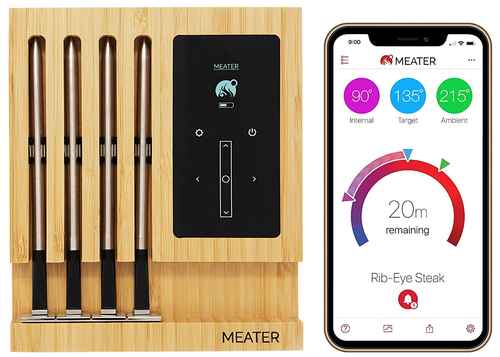
Unlike chicken or pork, which can be judged by internal temperature alone, venison requires a combination of temperature, texture, and visual cues. A slow-cooked venison roast or stew meat is done when it is fork-tender, meaning you can insert a fork and twist it without resistance, and the meat easily pulls apart. For a more precise measure, venison should reach an internal temperature of 145°F (63°C) for medium-rare or 160°F (71°C) for medium-well, though many slow-cooked venison dishes aim for higher tenderness achieved at slightly higher temperatures due to long cooking times. The juices should run clear, not pink, and the meat should have a rich, deep brown color throughout.
Ingredients Needed
Creating a flavorful venison dish in a slow cooker relies on balancing the meat’s natural gaminess with complementary ingredients:
- Venison meat – roast, stew meat, or tenderloin
- Vegetables – carrots, onions, celery, potatoes, mushrooms
- Liquids – beef broth, red wine, or a combination for depth of flavor
- Herbs & spices – rosemary, thyme, bay leaves, garlic, juniper berries
- Thickening agents (optional) – flour, cornstarch, or arrowroot for stews
- Acidic elements (optional) – balsamic vinegar, tomato paste, or Worcestershire sauce to enhance flavor
The key is layering flavors to balance the venison’s bold, earthy taste. Slow cooking allows the aromatics and liquids to permeate the meat, producing a rich, complex profile.
How To Cook Venison In Slow Cooker
- Prep the meat: Trim excess fat and silver skin. For added depth, sear the venison in a hot pan with a little oil until browned on all sides. This step is optional but enhances flavor through the Maillard reaction.
- Add vegetables and aromatics: Place your onions, carrots, celery, and garlic at the bottom of the slow cooker. Layer the venison on top, ensuring even distribution of flavors.
- Add liquids: Pour in broth, wine, or a mixture, covering the meat about halfway. This prevents drying while allowing the slow cooker to concentrate flavors.
- Season: Sprinkle herbs, salt, pepper, and any spices over the top. Consider tying fresh herbs in a bundle for easy removal later.
- Cook low and slow: Cover and cook on low for 6-8 hours or high for 3-4 hours until fork-tender. Avoid lifting the lid frequently; each peek releases heat and lengthens cooking time.
- Finish: Taste and adjust seasoning before serving. If the sauce is thin, remove the meat and simmer the liquid on high for 10-15 minutes to thicken.
When Things Go Wrong
Even with slow cooking, things can go off track:
- Dry meat: Most often due to cooking lean cuts too fast or overcooking. Solution: add extra liquid, cook on lower heat, or wrap in foil to retain moisture.
- Bland flavor: Could be caused by insufficient seasoning or lack of aromatics. Boost flavors with herbs, garlic, acid, or a splash of wine toward the end of cooking.
- Mushy vegetables: Some vegetables, like potatoes and carrots, can overcook in long slow-cook sessions. Consider adding them halfway through cooking for better texture.
Expert Tips
- Sear before slow cooking: Adds flavor and color.
- Use bone-in cuts: The marrow and connective tissue enhance richness and tenderness.
- Layer flavors: Aromatics at the bottom, meat on top, liquids covering halfway.
- Low and slow wins: Patience is key; lean venison needs time to become tender.
- Check liquid levels: Slow cookers vary; ensure there is enough liquid to prevent burning.
- Let it rest: Allow meat to rest in the slow cooker for 15-20 minutes after cooking for juices to redistribute.
Can I Do This Without A Slow Cooker?
Yes. Venison can be braised on the stovetop or in the oven as an alternative:
- Stovetop: Use a heavy-bottomed pot or Dutch oven, simmer gently on low heat for 2-4 hours depending on the cut.
-
Oven: Preheat to 275-300°F (135-150°C), cover meat with liquid, and bake for 3-5 hours until fork-tender.
Both methods mimic the gentle heat and moisture retention of a slow cooker but require occasional monitoring.
Reheating Leftovers In Slow Cooker
Leftover venison benefits from gentle reheating to prevent drying:
- Place meat and sauce back into the slow cooker.
- Add a splash of broth or water if sauce is reduced.
- Heat on low for 1-2 hours until warmed through.
- Stir occasionally, ensuring even heating.
Avoid high heat as it can toughen the lean meat. Leftovers often taste even better as flavors continue to meld.
FAQs
What Cuts Of Venison Are Best For Slow Cooking?
Tougher cuts with more connective tissue, such as shoulder, shank, and neck, are ideal for slow cooking. These cuts benefit from the low-and-slow method, becoming tender while absorbing flavors.
Do I Need To Brown Venison Before Putting It In The Slow Cooker?
Browning venison beforehand is optional but recommended. Searing the meat in a hot skillet adds depth of flavor and improves the overall texture, though it is not strictly necessary for tenderness.
How Long Should Venison Cook In A Slow Cooker?
Cooking times vary depending on the cut and size of the pieces. Typically, venison should cook on low for 6 to 8 hours or on high for 3 to 4 hours until it is tender and easily shredded.
What Liquid Should I Use For Slow-cooked Venison?
Use liquids that complement the gamey flavor of venison, such as beef broth, red wine, apple cider, or a combination of stock and herbs. The liquid prevents drying and helps tenderize the meat.
Can I Cook Venison With Vegetables In The Slow Cooker?
Yes, vegetables such as carrots, potatoes, onions, and celery pair well with venison. Place root vegetables at the bottom to ensure even cooking, as they take longer to become tender.
How Do I Prevent Venison From Becoming Dry In A Slow Cooker?
Cook on low heat, add sufficient liquid, and avoid overcooking. Tough cuts with marbling will retain moisture better. You can also cover the meat with the cooking liquid to keep it moist.
Should I Add Seasoning At The Beginning Or End Of Cooking?
Add herbs and spices at the beginning to allow flavors to penetrate the meat. Delicate herbs, like parsley or basil, can be added near the end to preserve their freshness.
Is It Safe To Cook Frozen Venison In A Slow Cooker?
It is not recommended to cook frozen venison directly in a slow cooker, as it may remain in the temperature danger zone too long. Thaw the meat first in the refrigerator before slow cooking.
How Can I Make A Venison Stew More Flavorful In The Slow Cooker?
Enhance flavor by using aromatics like garlic and onions, adding a splash of wine or vinegar, incorporating herbs such as thyme or rosemary, and layering ingredients to maximize flavor absorption.
How Should I Store And Reheat Leftover Slow-cooked Venison?
Store leftover venison in an airtight container in the refrigerator for up to 3-4 days or freeze for up to 3 months. Reheat gently in a covered pot with a small amount of liquid to prevent drying out.