
How To Cook Wild Turkey Breast In Slow Cooker [GUIDE]
Wild turkey, with its rich, earthy flavor and lean texture, offers a culinary experience far distinct from the domesticated varieties found in most grocery stores. Unlike farm-raised turkey, wild turkey is often more flavorful, but its leaner meat can be challenging to cook without becoming dry and tough. Slow cooking provides an ideal method to tenderize wild turkey breast, gently coaxing out its natural flavors while keeping it moist and succulent. The slow cooker transforms a potentially dry cut of game into a dish with a buttery, melt-in-your-mouth texture, making it perfect for a comforting family dinner or an elegant, rustic centerpiece for special occasions. Mastering this technique allows you to enjoy the unique taste of wild turkey without the stress of overcooking.
Contents
- 1 How Long To Cook Wild Turkey Breast In Slow Cooker
- 2 How To Tell If It Is Done
- 3 Ingredients Needed
- 4 How To Cook Wild Turkey Breast In Slow Cooker
- 5 When Things Go Wrong
- 6 Expert Tips
- 7 Can I Do This Without A Slow Cooker?
- 8 Reheating Leftovers In Slow Cooker
- 9 FAQs
- 9.1 What Is The Best Way To Prepare Wild Turkey Breast For The Slow Cooker?
- 9.2 Should I Sear The Turkey Breast Before Using The Slow Cooker?
- 9.3 What Liquid Should I Use In The Slow Cooker?
- 9.4 How Long Does It Take To Cook Wild Turkey Breast In A Slow Cooker?
- 9.5 How Can I Ensure The Turkey Breast Stays Moist?
- 9.6 Can I Cook A Frozen Wild Turkey Breast In The Slow Cooker?
- 9.7 Should I Add Vegetables To The Slow Cooker?
- 9.8 How Do I Make A Flavorful Gravy From The Slow Cooker Juices?
- 9.9 Can I Overcook Wild Turkey Breast In A Slow Cooker?
- 9.10 What Are Some Recommended Herbs And Spices For Slow-cooked Wild Turkey Breast?
How Long To Cook Wild Turkey Breast In Slow Cooker
Cooking times for wild turkey breast in a slow cooker vary depending on the size of the bird, whether it is bone-in or boneless, and the temperature setting of your slow cooker. Typically:
- Boneless breast: 4-5 hours on low, or 2.5-3.5 hours on high.
- Bone-in breast: 5-6 hours on low, or 3-4 hours on high.
Since slow cookers vary in actual heat output, it’s crucial to check doneness rather than relying solely on time. Remember, wild turkey meat is leaner than domesticated turkey, so slower, lower heat generally produces the most tender results.
How To Tell If It Is Done
Ensuring your wild turkey breast is safely cooked while retaining its juiciness requires precision:
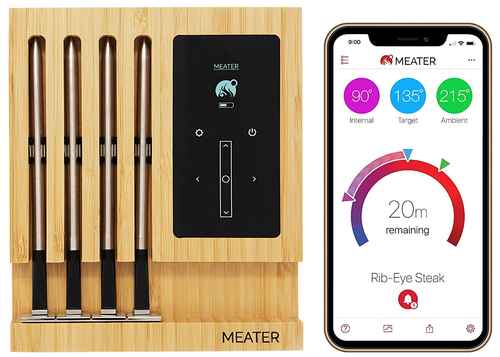
- Use a meat thermometer: Insert the thermometer into the thickest part of the breast, avoiding bones. The internal temperature should reach 165°F (74°C) for safe consumption.
- Check texture: Properly cooked wild turkey breast should be firm but springy to the touch. Overcooked meat becomes dry and stringy.
- Juices: When pierced, the juices should run clear, not pink. Pink juices often indicate undercooking.
Relying solely on visual cues is risky with wild turkey due to its darker, more variable meat compared to domesticated varieties. A thermometer is the most reliable method.
Ingredients Needed
To make a flavorful, tender wild turkey breast in a slow cooker, gather the following ingredients:
- Wild turkey breast: 2-4 lbs, bone-in or boneless
- Liquid for moisture: 1-2 cups of chicken broth, turkey stock, or water
- Aromatics: 1 onion (sliced), 3-4 garlic cloves (minced), 2 celery stalks (optional)
- Herbs: Fresh or dried rosemary, thyme, sage, or a blend of all three
- Seasoning: Salt, black pepper, paprika, and a pinch of cayenne (optional)
- Fat: 2-3 tablespoons olive oil or melted butter for brushing
- Optional extras: Carrots, mushrooms, or apples for added flavor
These ingredients create a fragrant, flavorful environment in the slow cooker that infuses the turkey breast during the slow, steady cooking process.
How To Cook Wild Turkey Breast In Slow Cooker
- Prep the turkey: Pat the turkey breast dry with paper towels. Rub it with salt, pepper, and your chosen seasonings. Optionally, brush with olive oil or melted butter.
- Layer aromatics: Place onions, garlic, and celery (or other chosen aromatics) at the bottom of the slow cooker. These create a flavor base and prevent the meat from sitting directly on the slow cooker’s bottom.
- Add liquid: Pour chicken broth, turkey stock, or water into the slow cooker around the aromatics. Avoid covering the meat entirely unless you want a poached effect.
- Cook low and slow: Place the turkey breast on top of the aromatics. Cover and cook on low for 4-6 hours (bone-in) or 4-5 hours (boneless), checking for internal temperature around the minimum time to avoid overcooking.
- Optional finishing: For a golden crust, sear the cooked breast in a hot oven or skillet for 5-10 minutes after slow cooking.
This method ensures even cooking, maximum tenderness, and infused flavors.
When Things Go Wrong
Even slow cookers are not foolproof. Common issues include:
- Dry turkey: Usually a result of cooking too long or not enough liquid. If the meat is dry, slice it thinly and serve with pan juices or a gravy.
- Undercooked turkey: If your meat is below 165°F after the suggested cooking time, continue cooking in 15-20 minute increments on low, checking frequently.
- Flavor imbalance: Too bland? Add fresh herbs, a squeeze of lemon, or a splash of broth at the end of cooking. Too salty? Dilute with a small amount of water or unsalted broth.
Being proactive with temperature checks and liquid levels can prevent most mishaps.
Expert Tips
- Brine before cooking: Soaking wild turkey in a saltwater solution for 6-12 hours adds moisture and enhances tenderness.
- Rotate aromatics: Layering aromatics under and around the turkey improves flavor infusion.
- Use a thermometer probe: Some slow cookers allow a probe that can remain in the meat, giving continuous temperature monitoring.
- Let it rest: Allow the turkey to rest 10-15 minutes after cooking; juices redistribute, improving moistness.
- Don’t lift the lid constantly: Every lift drops temperature, extending cooking time and risking uneven cooking.
Can I Do This Without A Slow Cooker?
Yes. You can use an oven or Instant Pot:
- Oven: Roast at 325°F in a covered roasting pan with broth for 1.5-2 hours, checking internal temperature.
- Instant Pot/Pressure Cooker: Use the sauté function to brown aromatics and turkey, then pressure cook for 25-35 minutes depending on breast size, followed by natural pressure release.
While the oven can achieve similar results, the slow cooker is more forgiving with lean wild turkey meat, minimizing the risk of drying out.
Reheating Leftovers In Slow Cooker
Reheating slow-cooked wild turkey is gentle and maintains moisture:
- Slice the turkey into even portions to ensure uniform heating.
- Add a splash of broth or water to prevent drying.
- Set the slow cooker to low and cover. Heat for 1-2 hours or until the turkey reaches 165°F internally.
- Avoid high heat; it can overcook the already tender meat.
This method is far superior to microwaving, which can quickly dry out lean game meat.
FAQs
What Is The Best Way To Prepare Wild Turkey Breast For The Slow Cooker?
Before cooking, rinse the wild turkey breast under cold water and pat it dry with paper towels. Trim any excess fat or silver skin. Season generously with salt, pepper, and your preferred herbs or spices. You can also marinate it for several hours to enhance flavor and tenderness.
Should I Sear The Turkey Breast Before Using The Slow Cooker?
Searing the turkey breast in a hot pan before slow cooking is optional but recommended. Searing helps develop a deeper flavor and a slightly caramelized exterior. However, the slow cooker will still cook the meat thoroughly without searing.
What Liquid Should I Use In The Slow Cooker?
You can use a combination of low-sodium chicken broth, turkey stock, water, or even a splash of white wine. Adding aromatics like onions, garlic, and herbs to the liquid helps infuse the turkey with flavor while keeping it moist.
How Long Does It Take To Cook Wild Turkey Breast In A Slow Cooker?
Cooking time depends on the size of the breast and the slow cooker setting. Typically, a 2-3 pound wild turkey breast takes 4-5 hours on low or 2-3 hours on high. Use a meat thermometer to ensure the internal temperature reaches 165°F (74°C).
How Can I Ensure The Turkey Breast Stays Moist?
Cook the turkey breast with some liquid, cover it tightly, and avoid opening the lid frequently. You can also baste the meat occasionally with the cooking juices. Slow, low-heat cooking helps prevent drying out the lean meat of wild turkey.
Can I Cook A Frozen Wild Turkey Breast In The Slow Cooker?
It is not recommended to cook frozen turkey in a slow cooker because it can stay in the temperature ’danger zone’ too long, increasing the risk of bacterial growth. Thaw the turkey breast completely in the refrigerator before slow cooking.
Should I Add Vegetables To The Slow Cooker?
Yes, adding vegetables like carrots, celery, and potatoes enhances flavor and creates a complete meal. Place root vegetables at the bottom since they take longer to cook, and place the turkey breast on top to allow even cooking.
How Do I Make A Flavorful Gravy From The Slow Cooker Juices?
After the turkey is cooked, remove it from the slow cooker and pour the cooking juices into a saucepan. Skim excess fat, then simmer and thicken with a slurry of cornstarch and water or flour mixed with butter. Season with salt, pepper, and additional herbs as needed.
Can I Overcook Wild Turkey Breast In A Slow Cooker?
Yes, wild turkey breast is leaner than farmed turkey, so overcooking can make it dry and tough. Stick to recommended cooking times and check the internal temperature to avoid overcooking.
What Are Some Recommended Herbs And Spices For Slow-cooked Wild Turkey Breast?
Classic options include rosemary, thyme, sage, garlic, onion powder, paprika, and black pepper. You can also add a bay leaf or a splash of citrus juice for added aroma. Mixing fresh herbs with butter or olive oil before applying to the turkey can enhance flavor and moisture.