
How To Cook Yams In Slow Cooker [GUIDE]
Yams are a versatile and nutritious root vegetable prized for their natural sweetness, earthy flavor, and creamy texture. Unlike sweet potatoes, true yams are starchier and often larger, boasting a slightly nutty taste that transforms beautifully when cooked slowly. One of the most convenient and hands-off methods to prepare yams is using a slow cooker. This method allows the yam’s natural sugars to caramelize gently while the flesh becomes tender and fluffy without constant supervision. Slow cooking is not only convenient for busy schedules but also enhances the yam’s flavor and nutritional value by retaining more vitamins and minerals compared to boiling or microwaving. Whether served as a side dish, mashed for pies, or used in savory casseroles, perfectly cooked yams can elevate any meal.
Contents
- 1 How Long To Cook Yams In Slow Cooker
- 2 How To Tell If It Is Done
- 3 Ingredients Needed
- 4 How To Cook Yams In Slow Cooker
- 5 When Things Go Wrong
- 6 Expert Tips
- 7 Can I Do This Without A Slow Cooker?
- 8 Reheating Leftovers In Slow Cooker
- 9 FAQs
- 9.1 What Type Of Yams Should I Use In A Slow Cooker?
- 9.2 Do I Need To Peel Yams Before Cooking Them In A Slow Cooker?
- 9.3 Should Yams Be Cut Before Adding To The Slow Cooker?
- 9.4 How Much Liquid Should I Add When Cooking Yams In A Slow Cooker?
- 9.5 Can I Season Yams Before Slow Cooking?
- 9.6 How Do I Check If Yams Are Done In A Slow Cooker?
- 9.7 Can I Cook Yams With Other Vegetables In A Slow Cooker?
- 9.8 Is It Necessary To Cover The Slow Cooker While Cooking Yams?
- 9.9 How Can I Prevent Yams From Becoming Mushy In The Slow Cooker?
- 9.10 Can I Store And Reheat Slow-cooked Yams?
How Long To Cook Yams In Slow Cooker
Cooking times for yams in a slow cooker vary based on their size, whether they are whole or cut, and the heat setting used. On low heat, whole medium-sized yams typically take 6-8 hours, while chopped yams may take 4-6 hours. On high heat, whole yams usually cook in 3-4 hours, and chopped yams in 2-3 hours. It’s important to note that denser yams or larger pieces will require longer cooking times. The slow, gentle heat allows the starches to break down gradually, resulting in a creamy texture that cannot be achieved through faster cooking methods.
How To Tell If It Is Done
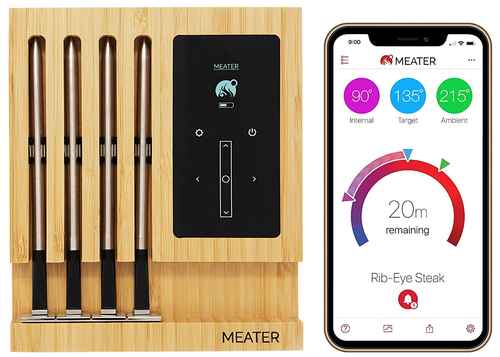
Determining whether yams are perfectly cooked is surprisingly simple. The key is texture and tenderness. Using a fork or skewer, gently pierce the thickest part of the yam. If it slides in effortlessly without resistance, the yam is done. The flesh should feel soft and slightly creamy but not mushy or waterlogged. Another indicator is the aroma; fully cooked yams release a natural, sweet fragrance that fills the kitchen. Overcooking can lead to an overly soft, almost mushy texture, while undercooked yams will be firm and slightly chalky, making them unpleasant to eat.
Ingredients Needed
Cooking yams in a slow cooker requires minimal ingredients, allowing the natural flavors to shine. The essentials include:
- Yams: 2-4 medium-sized yams, washed and scrubbed
- Optional flavor enhancers: Butter, brown sugar, maple syrup, cinnamon, nutmeg, salt, or honey
- Liquid: A small amount of water or orange juice (1-2 tablespoons) to help steam the yams gently without drying them out
Optional add-ins such as cloves, vanilla extract, or a splash of citrus juice can elevate the flavor, especially for sweet dishes.
How To Cook Yams In Slow Cooker
- Prepare the yams: Wash thoroughly to remove dirt and scrub the skin. You can leave them whole or cut them into chunks for faster cooking.
- Add flavor and liquid: Place yams in the slow cooker. Add butter, a drizzle of maple syrup, a sprinkle of brown sugar, or your chosen spices. Add 1-2 tablespoons of water or juice to create gentle steam.
- Cook: Cover the slow cooker and set it to low or high based on your timing preference. Resist the temptation to lift the lid frequently, as this releases heat and prolongs cooking time.
- Check for doneness: Use a fork or skewer to pierce the largest yam after the minimum cooking time. If tender, they’re ready; if not, continue cooking and check every 30 minutes.
- Serve: Once cooked, remove from the slow cooker, optionally mash, or serve whole with a pat of butter and seasoning.
When Things Go Wrong
Even with slow cookers, mistakes can happen. Common issues include:
- Undercooked yams: Usually occurs with larger pieces or insufficient cooking time. Simply continue cooking and check every 30 minutes.
- Overcooked yams: Can become mushy or waterlogged if cooked too long or with excess liquid. Avoid adding extra liquid and stick to the recommended times.
- Dry or tough yams: Often the result of not adding any liquid. A small amount of water or juice helps prevent drying while steaming them gently.
Understanding your slow cooker’s heat calibration is crucial, as some units run hotter or cooler than others. Adjust times accordingly.
Expert Tips
- Uniform sizing: Cut yams into similar-sized pieces to ensure even cooking.
- Layering: If cooking with other root vegetables, place yams at the bottom, where heat is usually higher.
- Peeling optional: Leaving the skin on protects nutrients and helps the yams hold shape. Peel only if desired.
- Flavor infusion: Wrap butter or spices in a small piece of foil and place atop yams for concentrated flavor.
- Slow cooker liner: Use a liner for easy cleanup, especially if sweeteners like honey or syrup are added.
Can I Do This Without A Slow Cooker?
Absolutely. While slow cookers offer convenience, you can cook yams using:
- Oven: Wrap whole yams in foil and bake at 375°F (190°C) for 45-60 minutes depending on size.
- Stovetop: Boil whole or chopped yams in water until fork-tender, approximately 20-40 minutes.
- Pressure cooker/Instant Pot: Whole yams take about 15-20 minutes on high pressure, making this the fastest alternative.
Each method yields slightly different textures: slow cooking produces the creamiest, most concentrated flavor, while boiling is faster but slightly more watery.
Reheating Leftovers In Slow Cooker
Slow cookers are ideal for reheating without drying out leftover yams. Simply place the cooled yams in the slow cooker, add a splash of water or butter, cover, and heat on low for 1-2 hours until warmed through. Avoid using high heat for long periods, as this can over-soften the already cooked yams.
FAQs
What Type Of Yams Should I Use In A Slow Cooker?
You can use any variety of yams, including orange-fleshed or white-fleshed types. Choose firm yams without soft spots or blemishes for the best results. Sweet potatoes are often used interchangeably with yams in many recipes, but true yams are starchier and larger.
Do I Need To Peel Yams Before Cooking Them In A Slow Cooker?
Peeling is optional. If you prefer a smoother texture and easier seasoning absorption, peel the yams. Leaving the skin on helps retain nutrients and prevents them from falling apart during cooking, especially if you are cooking them whole.
Should Yams Be Cut Before Adding To The Slow Cooker?
It depends on cooking time and desired texture. Whole yams require 6-8 hours on low or 3-4 hours on high. For faster cooking or uniform tenderness, cut them into 1-2 inch chunks, which generally cook in 4-5 hours on low.
How Much Liquid Should I Add When Cooking Yams In A Slow Cooker?
Yams contain natural moisture, so you only need a small amount of liquid. Adding 1/4 to 1/2 cup of water, broth, or juice is sufficient to prevent sticking and help even cooking. For mashed yams, you can add more liquid toward the end.
Can I Season Yams Before Slow Cooking?
Yes, you can season yams with salt, pepper, cinnamon, nutmeg, brown sugar, butter, or herbs before cooking. Slow cooking allows flavors to penetrate the yams, creating a rich and flavorful result.
How Do I Check If Yams Are Done In A Slow Cooker?
Insert a fork or knife into the thickest part of the yam. It should slide in easily without resistance. Whole yams will be softer than chunks, but all should be tender and fully cooked through.
Can I Cook Yams With Other Vegetables In A Slow Cooker?
Yes, yams pair well with carrots, onions, sweet potatoes, and winter squash. Keep in mind that different vegetables have varying cooking times, so adjust size and placement to ensure even cooking.
Is It Necessary To Cover The Slow Cooker While Cooking Yams?
Yes, keeping the lid on helps maintain a consistent temperature and moisture level. Lifting the lid repeatedly can extend cooking time and may cause the yams to dry out.
How Can I Prevent Yams From Becoming Mushy In The Slow Cooker?
Avoid overcooking by cutting yams into uniform pieces, using appropriate heat settings, and checking for doneness early. Adding minimal liquid and cooking on low rather than high can help maintain texture.
Can I Store And Reheat Slow-cooked Yams?
Yes, cooked yams can be stored in an airtight container in the refrigerator for 3-5 days. Reheat gently in the microwave, oven, or stovetop to maintain texture and flavor. They can also be frozen for longer storage, though texture may soften slightly after thawing.