
How To Make BBQ In Slow Cooker [GUIDE]
Barbecue is more than just a meal-it’s a celebration of flavor, smoke, and the deep, savory satisfaction of perfectly cooked meat. Traditional barbecue often involves long hours over a smoky grill or pit, which, while rewarding, can be labor-intensive and require specialized equipment. Enter the slow cooker: a versatile kitchen companion that allows you to achieve tender, juicy, fall-apart meat with minimal effort. Slow cooking BBQ isn’t just convenient; it intensifies flavors, tenderizes even the toughest cuts of meat, and allows sauces and seasonings to meld together into a rich, savory symphony. Whether you’re aiming for pulled pork, shredded beef, or chicken drenched in sauce, the slow cooker transforms a typically hands-on process into a simple, reliable method for delicious barbecue any day of the week.
Contents
- 1 How Long To Make BBQ In Slow Cooker
- 2 How To Tell If It Is Done
- 3 Ingredients Needed
- 4 How To Make BBQ In Slow Cooker
- 5 When Things Go Wrong
- 6 Expert Tips
- 7 Can I Do This Without A Slow Cooker?
- 8 Reheating Leftovers In Slow Cooker
- 9 FAQs
- 9.1 What Cuts Of Meat Are Best For Making BBQ In A Slow Cooker?
- 9.2 Do I Need To Sear The Meat Before Putting It In The Slow Cooker?
- 9.3 What Type Of BBQ Sauce Should I Use In A Slow Cooker?
- 9.4 How Long Should I Cook BBQ In A Slow Cooker?
- 9.5 Can I Add Vegetables To My Slow Cooker BBQ?
- 9.6 How Much BBQ Sauce Should I Use In A Slow Cooker?
- 9.7 Do I Need To Stir The BBQ While It Cooks?
- 9.8 How Can I Tell When Slow Cooker BBQ Is Done?
- 9.9 Can I Make Slow Cooker BBQ Ahead Of Time?
- 9.10 How Do I Serve BBQ Made In A Slow Cooker?
How Long To Make BBQ In Slow Cooker
The cooking time for BBQ in a slow cooker largely depends on the type of meat, its size, and the temperature setting of your slow cooker. Generally, most cuts require between 4 to 8 hours to reach optimal tenderness:
- Beef brisket: 6-8 hours on low or 4-5 hours on high.
- Pork shoulder/butt: 8 hours on low or 5 hours on high.
- Chicken thighs or breasts: 4-6 hours on low or 2-3 hours on high.
The beauty of slow cooking is that it allows flexibility. Low and slow is preferred for the most tender, flavorful results, as the meat has time to break down connective tissues and absorb the sauce thoroughly. High settings are suitable if time is tight, but may yield slightly less nuanced flavors. Always remember: slow cookers vary, so check periodically to ensure the meat is cooking evenly.
How To Tell If It Is Done
Determining doneness goes beyond just relying on time. Here are the key indicators:
- Texture and Tenderness: Meat should easily pull apart with a fork. Tough cuts like pork shoulder or brisket are perfect when they shred without resistance.
-
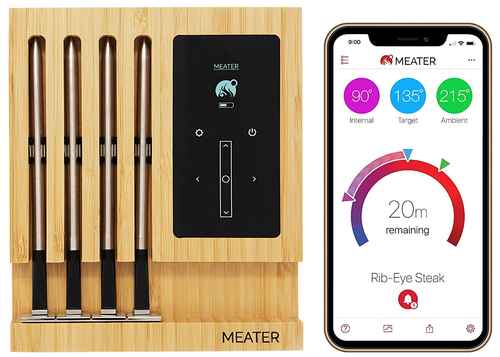
Internal Temperature: Use a meat thermometer to ensure safety and doneness.
- Beef brisket: 195-205°F (90-96°C)
- Pork shoulder: 195-205°F (90-96°C)
- Chicken: 165°F (74°C)
- Sauce Absorption: The sauce should cling to the meat, having thickened slightly. Overly watery sauce can indicate it hasn’t cooked long enough.
Ingredients Needed
The magic of BBQ comes from the combination of meat, sauce, and seasonings. A basic list includes:
- Protein: Pork shoulder, beef brisket, chicken thighs or breasts
- BBQ Sauce: Store-bought or homemade (tomato-based, vinegar-based, or mustard-based depending on preference)
- Seasonings: Salt, black pepper, garlic powder, onion powder, smoked paprika, chili powder, brown sugar
- Liquids: Optional broth, apple cider vinegar, or Worcestershire sauce to keep meat moist
- Extras: Onion slices, minced garlic, liquid smoke for extra depth
Optional additions like mustard, honey, or cayenne can elevate flavors to your personal taste. The slow cooker allows these ingredients to meld fully, creating a rich, layered BBQ sauce that penetrates the meat.
How To Make BBQ In Slow Cooker
- Prepare the Meat: Trim excess fat if necessary, then rub with your chosen spices. This dry rub will create depth of flavor.
- Layering: Place sliced onions or garlic at the bottom of the slow cooker to prevent sticking and impart flavor.
- Add Meat and Sauce: Place the meat on top, pour BBQ sauce evenly, and add any liquids if needed.
- Cook: Cover and cook on low for 6-8 hours or on high for 4-5 hours. Avoid lifting the lid frequently, as heat escapes and slows cooking.
- Shred and Mix: Once tender, remove the meat, shred with forks, and return to the sauce to absorb juices fully.
- Adjust Seasoning: Taste and tweak seasoning or sauce thickness if needed before serving.
When Things Go Wrong
Even the best plans can go awry. Common pitfalls include:
- Meat too dry: Usually due to insufficient liquid or overcooking. Adding a bit of broth or extra sauce during cooking can rescue it.
- Tough meat: Likely undercooked; continue slow cooking until it pulls apart easily.
- Sauce too thin: Remove the lid near the end and cook on high for 20-30 minutes to reduce liquid.
- Over-salted sauce: Dilute with water, unsalted broth, or a splash of vinegar.
Expert Tips
- Brown the Meat First: Searing before slow cooking adds depth and richness to the final dish.
- Avoid Overcrowding: Meat should fit comfortably; too much compression prevents even cooking.
- Layering Matters: Onions, garlic, or even a thin layer of BBQ sauce at the bottom prevents sticking and enhances flavor.
- Let it Rest: After cooking, let meat sit for 10-15 minutes for juices to redistribute.
- Customize Flavors: Add a splash of bourbon, coffee, or smoky chipotle to your sauce for unique flair.
Can I Do This Without A Slow Cooker?
Absolutely. Oven and stovetop methods work well:
- Oven: Place meat in a covered roasting pan with sauce at 275-300°F (135-150°C) for 3-6 hours depending on size.
- Stovetop: Use a heavy pot or Dutch oven on low heat, covered, for 4-8 hours, occasionally checking moisture levels.
Both methods mimic the ’low and slow’ principle but require more attention than a set-it-and-forget-it slow cooker approach.
Reheating Leftovers In Slow Cooker
Leftovers can be gently reheated without drying out:
- Place shredded meat back in the slow cooker with a little extra sauce or broth.
- Cook on low for 1-2 hours or until warmed through.
- Stir occasionally to ensure even heating and flavor distribution.
This method preserves the tender texture better than microwave reheating, which can dry out the meat and thicken sauce unevenly.
FAQs
What Cuts Of Meat Are Best For Making BBQ In A Slow Cooker?
Tough, fatty cuts like pork shoulder, beef chuck roast, or brisket work best in a slow cooker. The slow, low heat breaks down connective tissue and fat, resulting in tender, flavorful meat that absorbs the BBQ sauce well.
Do I Need To Sear The Meat Before Putting It In The Slow Cooker?
Searing the meat first is optional but recommended. Browning the meat in a hot pan before slow cooking adds depth of flavor and caramelization, enhancing the final taste of your BBQ.
What Type Of BBQ Sauce Should I Use In A Slow Cooker?
You can use store-bought or homemade BBQ sauce. For slow cooking, choose thicker sauces or reduce a thinner sauce beforehand, as the long cooking time may dilute the flavors. You can also mix in additional seasonings or spices for a richer taste.
How Long Should I Cook BBQ In A Slow Cooker?
Cooking time depends on the meat and heat setting. Generally, 6-8 hours on low or 3-4 hours on high works well for pork or beef cuts. The key is to cook until the meat is tender enough to shred easily with a fork.
Can I Add Vegetables To My Slow Cooker BBQ?
Yes, adding vegetables like onions, bell peppers, or carrots can enhance flavor. Place them under or around the meat to avoid overcooking. Keep in mind that delicate vegetables may become too soft during long cooking times.
How Much BBQ Sauce Should I Use In A Slow Cooker?
Use enough sauce to coat the meat and keep it moist, usually about 1 to 2 cups for a 2-3 pound cut of meat. The slow cooker will create additional liquid, so adjust sauce quantity based on your preferred consistency.
Do I Need To Stir The BBQ While It Cooks?
Stirring is not necessary for slow cooker BBQ, as the meat cooks evenly in its juices. Over-stirring can cause meat to break down too much. A gentle turn halfway through cooking is enough if desired.
How Can I Tell When Slow Cooker BBQ Is Done?
BBQ is done when the meat is tender enough to pull apart easily with a fork. Internal temperature should be at least 190°F (88°C) for pork shoulder or 200°F (93°C) for beef brisket. The sauce should be thickened and flavorful.
Can I Make Slow Cooker BBQ Ahead Of Time?
Yes, slow cooker BBQ can be prepared in advance. Cooked meat can be refrigerated for 3-4 days or frozen for up to 3 months. Reheat gently in the slow cooker or on the stove to retain moisture.
How Do I Serve BBQ Made In A Slow Cooker?
Once shredded, BBQ can be served on buns, alongside sides like coleslaw or baked beans, or used in tacos, salads, or wraps. Drizzle extra sauce on top if desired and garnish with fresh herbs or pickles for added flavor and texture.