
How To Make Beef Barley Soup In Slow Cooker [GUIDE]
Beef barley soup is a timeless comfort food, a hearty bowl brimming with tender chunks of beef, earthy barley, and a medley of vegetables simmered to perfection. It is the kind of dish that warms both body and soul, making it a perfect meal for chilly evenings or whenever you crave a nourishing, slow-cooked dinner. What makes beef barley soup truly special is the way the slow cooker transforms simple ingredients into a rich, savory broth infused with deep, layered flavors. Unlike quick soups, this one develops complexity over hours of gentle cooking, allowing the beef to become melt-in-your-mouth tender and the barley to absorb all the aromatic essence of the broth and vegetables.
Contents
- 1 How Long To Make Beef Barley Soup In Slow Cooker
- 2 How To Tell If It Is Done
- 3 Ingredients Needed
- 4 How To Make Beef Barley Soup In Slow Cooker
- 5 When Things Go Wrong
- 6 Expert Tips
- 7 Can I Do This Without A Slow Cooker?
- 8 Reheating Leftovers In Slow Cooker
- 9 FAQs
- 9.1 Do I Need To Brown The Beef Before Adding It To The Slow Cooker?
- 9.2 What Type Of Beef Is Best For Slow Cooker Beef Barley Soup?
- 9.3 Should I Use Pearl Barley Or Quick-cooking Barley?
- 9.4 How Long Should Beef Barley Soup Cook In The Slow Cooker?
- 9.5 Can I Add Vegetables To The Soup?
- 9.6 Will The Barley Thicken The Soup As It Cooks?
- 9.7 Can I Use Frozen Beef Or Vegetables?
- 9.8 Can I Make This Soup Ahead Of Time?
- 9.9 Should I Add The Barley At The Beginning Or Later?
- 9.10 What Seasonings Work Best For Beef Barley Soup?
How Long To Make Beef Barley Soup In Slow Cooker
Patience is the key to exceptional slow cooker beef barley soup. Cooking times can vary depending on the specific slow cooker model, the cut of beef, and whether you are using pre-soaked barley. On average, cooking this soup on low heat for 7 to 8 hours allows the flavors to meld beautifully, while cooking on high for 4 to 5 hours is an option if you’re pressed for time. The slower, low-heat method yields a richer broth and more tender beef, as the connective tissues in the meat gradually break down, imparting a silky texture and depth of flavor that is hard to achieve with quick cooking methods.
How To Tell If It Is Done
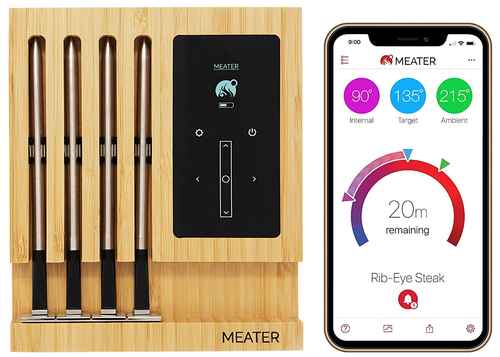
Knowing when your beef barley soup is done is a sensory experience. The beef should be fork-tender, breaking apart easily without needing to chew extensively. The barley should have expanded and softened, adding a pleasantly chewy texture without being mushy. Vegetables like carrots, celery, and onions should be soft but still hold their shape, contributing layers of flavor to the broth. Finally, taste is the ultimate judge-the broth should have a rich, full-bodied flavor, a harmonious balance of savory beef, earthy barley, and aromatic vegetables. If the flavors feel flat or the beef is still tough, the soup needs additional cooking time.
Ingredients Needed
Creating an exceptional beef barley soup requires fresh, high-quality ingredients that balance each other perfectly:
- Beef chuck roast or stew meat – 1 to 1.5 pounds, cut into bite-sized chunks
- Pearl barley – ½ to ¾ cup, rinsed
- Carrots – 2 to 3 medium, sliced or diced
- Celery stalks – 2 to 3, chopped
- Onion – 1 large, diced
- Garlic – 2 to 3 cloves, minced
- Beef broth – 6 cups, preferably low-sodium
- Tomato paste – 2 tablespoons (optional, for richer depth)
- Bay leaf – 1 or 2
- Thyme – 1 teaspoon dried or 1 tablespoon fresh
- Salt and pepper – to taste
- Olive oil or butter – 1 to 2 tablespoons, for browning
- Optional additions: mushrooms, parsnips, peas, or a splash of Worcestershire sauce for extra umami
How To Make Beef Barley Soup In Slow Cooker
- Brown the beef: Heat olive oil in a skillet over medium-high heat. Brown the beef chunks on all sides to develop deep, savory flavors. This step is optional but highly recommended for richer broth.
- Prepare vegetables: Chop carrots, celery, onions, and garlic. If using mushrooms or parsnips, prepare them now as well.
- Combine ingredients: Place the browned beef in the slow cooker. Add all vegetables, barley, beef broth, tomato paste, bay leaf, and thyme. Stir gently to combine.
- Season lightly: Add a pinch of salt and pepper, remembering you can adjust later after cooking.
- Cook low and slow: Cover and cook on low for 7 to 8 hours, or on high for 4 to 5 hours. Resist the urge to lift the lid frequently, as this lets heat escape and slows cooking.
- Check for doneness: Around the final hour, taste the soup, check the beef and barley texture, and adjust seasoning if needed. Remove bay leaves before serving.
When Things Go Wrong
Even slow cooking isn’t foolproof. Common issues include:
- Mushy barley: Often caused by adding too much or cooking too long. Reduce barley quantity or shorten cooking time next time.
- Tough beef: Likely from using a lean cut instead of a chuck or stew meat; ensure slow, low heat cooking to break down connective tissue.
- Watery broth: Sometimes the slow cooker retains more liquid; simmer uncovered for the last 30 minutes to concentrate flavors.
- Flat taste: Always taste and season at the end-salt, pepper, or a touch of acid like vinegar can revive flavor.
Expert Tips
- Brown beef first to intensify the broth’s depth.
- Rinse barley to remove excess starch and prevent clumping.
- Layer flavors: Add herbs early, but delicate herbs like parsley should be added in the last 15 minutes.
- Do not overfill: Leave about an inch of space in your slow cooker to prevent spilling.
- Let it rest: Soup often tastes better the next day as flavors continue melding.
Can I Do This Without A Slow Cooker?
Absolutely. On the stovetop, use a large pot or Dutch oven. Brown the beef, add ingredients, bring to a gentle boil, then reduce to a low simmer. Cover and cook for 2 to 3 hours, stirring occasionally. Oven-braising in a 325°F (160°C) oven in a covered pot is another alternative, allowing for similar slow-cooked tenderness. The key is maintaining low, consistent heat for an extended period.
Reheating Leftovers In Slow Cooker
Leftover beef barley soup reheats wonderfully. Pour the chilled soup into the slow cooker and set to low for 2-3 hours until steaming. Stir occasionally. Avoid high heat if starting from cold, as it can toughen the beef or overcook the barley. For a quicker method, stove-top reheating over medium-low heat works perfectly, stirring frequently to prevent sticking.
FAQs
Do I Need To Brown The Beef Before Adding It To The Slow Cooker?
Browning the beef is not strictly required, but it adds deeper flavor and improves the overall richness of the soup. If you have time, sear the beef cubes in a skillet before transferring them to the slow cooker.
What Type Of Beef Is Best For Slow Cooker Beef Barley Soup?
Chuck roast or stewing beef works best because these tougher cuts become tender and flavorful when cooked low and slow.
Should I Use Pearl Barley Or Quick-cooking Barley?
Pearl barley is preferred for slow cooker recipes because it holds up well during long cooking times. Quick-cooking barley may become too soft or mushy.
How Long Should Beef Barley Soup Cook In The Slow Cooker?
Cook on low for 7 to 8 hours or on high for 4 to 5 hours. This ensures the beef becomes tender and the barley fully cooks.
Can I Add Vegetables To The Soup?
Yes. Common additions include carrots, celery, onions, potatoes, and mushrooms. Most vegetables can be added at the start of cooking.
Will The Barley Thicken The Soup As It Cooks?
Yes. Barley naturally releases starch as it cooks, which thickens the broth. If you prefer a thinner soup, add additional broth or water before serving.
Can I Use Frozen Beef Or Vegetables?
Frozen vegetables are fine, but using frozen beef is not recommended because it can keep the soup in the temperature danger zone for too long. Thaw beef completely before adding it to the slow cooker.
Can I Make This Soup Ahead Of Time?
Yes. Beef barley soup stores well and often tastes better the next day. Refrigerate for up to 4 days or freeze for up to 3 months.
Should I Add The Barley At The Beginning Or Later?
Add pearl barley at the beginning so it has enough time to cook through. If using quick-cooking barley, add it during the last hour of cooking.
What Seasonings Work Best For Beef Barley Soup?
Common seasonings include garlic, thyme, bay leaves, parsley, black pepper, and paprika. Adjust seasonings to taste near the end of cooking.