
How To Make Black Garlic In Slow Cooker [GUIDE]
Black garlic, with its rich, umami-laden sweetness and molasses-like depth, has grown from a niche culinary curiosity into a sought-after ingredient in kitchens worldwide. Unlike raw garlic, which offers a sharp, pungent bite, black garlic is mellow, slightly tangy, and almost syrupy in texture. Its allure lies not only in its flavor but also in its potential health benefits, including antioxidant properties and easier digestibility compared to raw garlic. Traditionally made through a slow fermentation process in controlled environments, black garlic has now become accessible to home cooks thanks to the humble slow cooker. This appliance, usually associated with soups and stews, offers a low and consistent heat that is essential to transforming ordinary garlic bulbs into this complex, sweet delicacy over several weeks. Making black garlic at home might require patience, but the rewards are extraordinary: a deep, umami-rich flavor that enhances everything from sauces and marinades to cheeses and even desserts.
Contents
- 1 How Long To Make Black Garlic In Slow Cooker
- 2 How To Tell If It Is Done
- 3 Ingredients Needed
- 4 How To Make Black Garlic In Slow Cooker
- 5 When Things Go Wrong
- 6 Expert Tips
- 7 Can I Do This Without A Slow Cooker?
- 8 Reheating Leftovers In Slow Cooker
- 9 FAQs
- 9.1 What Is Black Garlic And Why Should I Make It At Home?
- 9.2 What Ingredients Do I Need To Make Black Garlic In A Slow Cooker?
- 9.3 What Type Of Slow Cooker Is Best For Making Black Garlic?
- 9.4 How Long Does It Take To Make Black Garlic In A Slow Cooker?
- 9.5 Do I Need To Wrap The Garlic Bulbs Before Placing Them In The Slow Cooker?
- 9.6 Should I Open The Slow Cooker During The Black Garlic Fermentation Process?
- 9.7 What Is The Ideal Temperature For Making Black Garlic In A Slow Cooker?
- 9.8 How Can I Tell When Black Garlic Is Ready?
- 9.9 How Should I Store Homemade Black Garlic?
- 9.10 Can I Use Black Garlic In Cooking Like Regular Garlic?
How Long To Make Black Garlic In Slow Cooker
Creating black garlic in a slow cooker is a labor of patience rather than speed. The key is maintaining a low, consistent heat that allows the natural sugars and amino acids in garlic to undergo the Maillard reaction-a slow browning process that produces the signature black color and caramel-like flavor. Typically, this process takes anywhere from 2 to 4 weeks, depending on your slow cooker, the size of the garlic bulbs, and the ambient temperature.

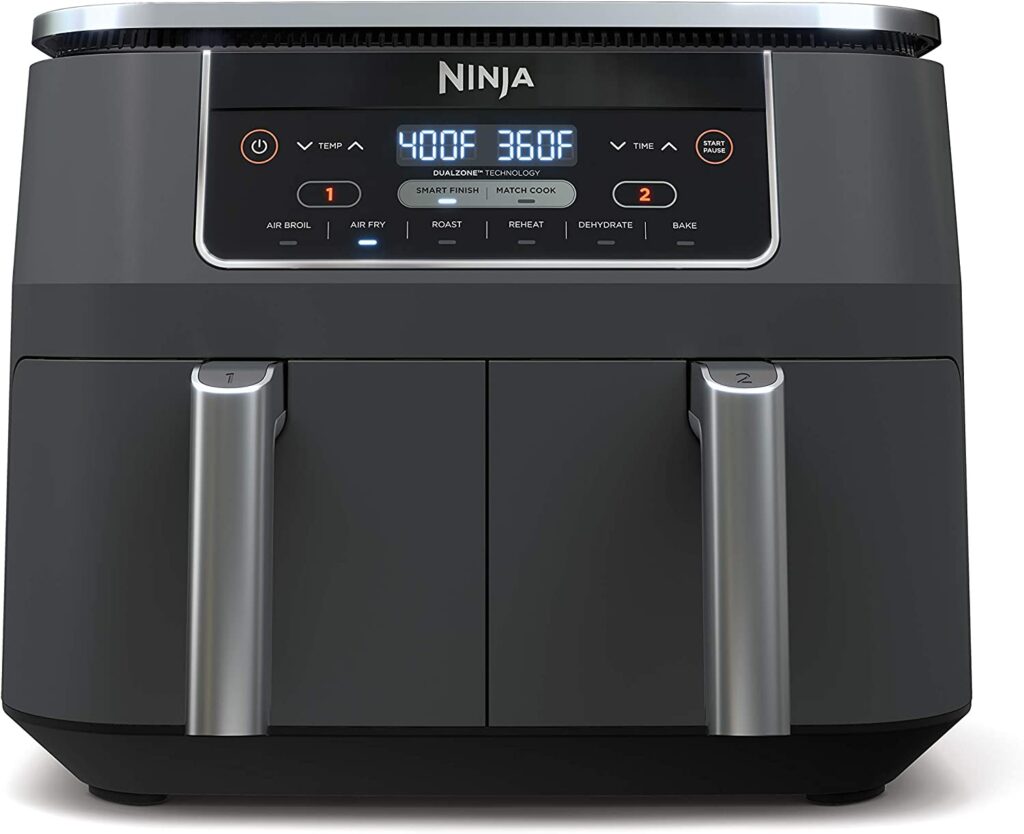
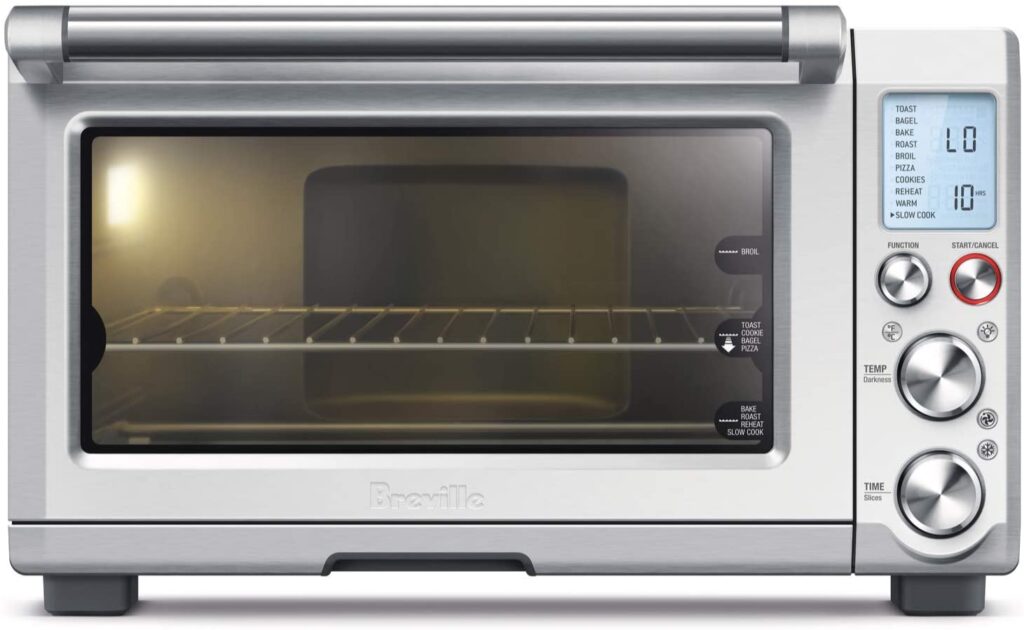
Most slow cookers operate at ’low’ and ’warm’ settings, and it’s critical to avoid higher temperatures, which can scorch the garlic or ruin its delicate flavor. Many enthusiasts recommend starting with the low setting, ensuring that the garlic is warm but not baking. Patience is essential: resist the urge to check the bulbs too frequently, as fluctuating temperatures or repeated opening of the lid can slow or interfere with the fermentation process. The slow cooker essentially becomes a warm, humid incubator, allowing the garlic to gradually transform into its dark, tender, and sweet final form.
How To Tell If It Is Done
Knowing when black garlic is finished can feel like detective work. Properly made black garlic will have the following characteristics:
- Color: The cloves should be deep brown to black, uniform in color, without any raw-looking patches.
- Texture: They should be soft, almost jam-like, and slightly sticky. When gently pressed, the cloves yield easily without crumbling.
- Taste: Raw garlic’s sharp pungency should be completely gone, replaced by a subtle, sweet, umami flavor reminiscent of balsamic vinegar, tamarind, or molasses.
- Aroma: The smell is distinctly sweet and savory, reminiscent of roasted garlic or soy sauce, with no trace of raw garlic bite.
If any cloves remain hard, bitter, or pungent, the process must continue. Black garlic is forgiving, but under-fermented bulbs won’t have that signature flavor or consistency.
Ingredients Needed
Creating black garlic at home is surprisingly simple when it comes to ingredients. You need almost nothing:
- Whole garlic bulbs: Choose fresh, firm, and unblemished bulbs. Organic garlic is ideal, as chemical residues can affect the fermentation process.
- Optional: foil or parchment paper: To wrap the bulbs if needed, to retain moisture and prevent them from sticking to the slow cooker.
No sugar, additives, or special starter cultures are required. Black garlic is purely a product of time, heat, and natural chemistry.
How To Make Black Garlic In Slow Cooker
- Prepare the bulbs: Remove any loose, papery outer layers, but keep the cloves within the bulb intact. Do not peel individual cloves.
- Optional wrapping: Wrap each bulb loosely in foil or parchment paper. This helps retain moisture, prevents sticking to the cooker’s surface, and ensures even cooking.
- Arrange in slow cooker: Place the bulbs directly in the slow cooker, ensuring they are not overcrowded. Minimal air circulation helps maintain uniform heat.
- Set temperature: Set the slow cooker to the ’low’ setting. You want a steady, gentle heat of roughly 140-170°F (60-77°C). Avoid higher temperatures.
- Cook for several weeks: Maintain the heat consistently. Check occasionally (once every few days) for moisture or uneven cooking. Avoid opening too often, as it drops the temperature.
- Finish and cool: Once cloves are soft, black, and sweet, remove bulbs and let them cool to room temperature. Store in airtight containers or jars.
When Things Go Wrong
Even with careful attention, issues may arise:
- Bulbs are still hard after weeks: The temperature might have been too low, or the slow cooker’s heat may fluctuate. Increase slightly or switch to a warmer ’low’ setting.
- Garlic is moldy or smells off: Excessive moisture or poor ventilation can lead to mold. Discard affected bulbs.
- Uneven blackening: This may indicate inconsistent heat distribution. Rotate bulbs gently or wrap each individually in foil to encourage uniform transformation.
Patience is key-don’t rush the process, as incomplete fermentation can yield bitter, harsh-tasting garlic.
Expert Tips
- Use a dedicated slow cooker: The long cooking time may cause odor transfer if you use a slow cooker for other dishes afterward.
- Maintain consistent heat: Avoid unplugging or adjusting the slow cooker too often.
- Humidity matters: Some chefs place a small, heatproof bowl of water in the cooker to maintain humidity.
- Label and track: If making multiple batches, label the bulbs with start dates to monitor progress.
- Experiment with bulb size: Larger bulbs may take slightly longer, smaller ones slightly less.
Can I Do This Without A Slow Cooker?
Yes. Black garlic can also be made using:
- Rice cooker: Some models have a ’keep warm’ function that can mimic slow cooker conditions.
- Oven: Set at the lowest temperature (around 140°F or 60°C) for several weeks, though this requires careful monitoring and humidity control.
- Fermentation boxes or specialized black garlic machines: Commercial options offer precise temperature and humidity controls.
However, the slow cooker remains the most accessible and hands-off method for home cooks.
Reheating Leftovers In Slow Cooker
Once made, black garlic is best eaten raw or added directly to recipes, but it can be gently warmed:
- Place the desired amount in the slow cooker on ’warm’ for 15-30 minutes.
- Avoid high heat, which can burn or alter the delicate flavor.
- Reheated black garlic retains its soft texture and enhances sauces, soups, or marinades beautifully.
FAQs
What Is Black Garlic And Why Should I Make It At Home?
Black garlic is fresh garlic that has undergone a slow fermentation process, turning the cloves black and giving them a sweet, umami-rich flavor with a soft, sticky texture. Making it at home allows control over quality, avoids additives, and can be more cost-effective than buying pre-made black garlic.
What Ingredients Do I Need To Make Black Garlic In A Slow Cooker?
The main ingredient is fresh whole garlic bulbs. Optionally, you can use a small amount of rice bran or parchment paper to prevent sticking. No additional seasoning is needed, as the flavor develops naturally through the slow fermentation process.
What Type Of Slow Cooker Is Best For Making Black Garlic?
A slow cooker with precise low-heat settings is ideal, preferably one that can maintain a temperature around 140°F to 170°F (60°C to 77°C). Models with a ’keep warm’ function often work best, as the process requires consistent low heat over several days.
How Long Does It Take To Make Black Garlic In A Slow Cooker?
The process typically takes 10 to 15 days, depending on the size of the garlic bulbs and the exact temperature maintained. The garlic needs constant low heat for this period to allow natural enzymatic reactions and Maillard reactions to transform the flavor and color.
Do I Need To Wrap The Garlic Bulbs Before Placing Them In The Slow Cooker?
Yes, it is recommended to wrap each bulb loosely in aluminum foil or parchment paper to retain moisture and prevent direct contact with the slow cooker surface. Some people also place the wrapped bulbs in a small ceramic or heatproof container inside the cooker.
Should I Open The Slow Cooker During The Black Garlic Fermentation Process?
No, it is important to avoid opening the slow cooker frequently. Opening it can release heat and moisture, which may slow the fermentation process and affect the final texture and flavor of the black garlic.
What Is The Ideal Temperature For Making Black Garlic In A Slow Cooker?
The ideal temperature range is generally between 140°F and 170°F (60°C to 77°C). Temperatures below this may prolong the process, while higher temperatures can burn the garlic or dry it out, preventing the desired soft texture.
How Can I Tell When Black Garlic Is Ready?
The garlic is ready when the cloves are soft, dark brown to black in color, and have a sweet, molasses-like flavor with no harsh raw garlic taste. The texture should be sticky and spreadable, rather than firm or crunchy.
How Should I Store Homemade Black Garlic?
Once cooled, black garlic can be stored in an airtight container in a cool, dark place for up to several months. For longer storage, refrigeration is recommended. Avoid exposure to excessive moisture to prevent mold growth.
Can I Use Black Garlic In Cooking Like Regular Garlic?
Yes, black garlic can be used in a variety of dishes. Its sweet, umami flavor works well in sauces, dressings, marinades, soups, and even desserts. It can be minced, mashed, or eaten directly, but it is milder and less pungent than raw garlic.