
How To Make Breakfast In Slow Cooker [GUIDE]
Cooking breakfast in a slow cooker is one of the most convenient ways to wake up to a warm, satisfying meal without morning stress. Instead of juggling pans, preheating ovens, or rushing through a chaotic cooking routine, the slow cooker allows all the flavors-savory meats, tender vegetables, creamy eggs, and rich seasonings-to meld gradually overnight. The result is a breakfast that tastes as though it required hours of hands-on labor, even though the appliance did all the work.
Slow-cooker breakfasts are especially effective for households with early starts, for weekend brunches where the cook prefers to relax, or for those who appreciate the depth of flavor that slow cooking naturally draws out of simple ingredients. Whether you’re preparing a classic breakfast casserole, an egg-based dish, or a hearty morning hash, the slow cooker’s low and steady heat ensures consistency, tenderness, and convenience every time.
Contents
- 1 How Long To Make Breakfast In Slow Cooker
- 2 How To Tell If It Is Done
- 3 Ingredients Needed
- 4 How To Make Breakfast In Slow Cooker
- 5 When Things Go Wrong
- 6 Expert Tips
- 7 Can I Do This Without A Slow Cooker?
- 8 Reheating Leftovers In Slow Cooker
- 9 FAQs
- 9.1 What Types Of Breakfast Can I Make In A Slow Cooker?
- 9.2 Do I Need To Preheat My Slow Cooker Before Making Breakfast?
- 9.3 Can I Use Frozen Ingredients In My Slow Cooker Breakfast Recipes?
- 9.4 How Long Does It Typically Take To Make Breakfast In A Slow Cooker?
- 9.5 Can I Use A Slow Cooker For Individual Servings Or Only Large Batches?
- 9.6 Do I Need To Grease My Slow Cooker Before Making Breakfast?
- 9.7 Can I Leave My Slow Cooker On Overnight To Make Breakfast Ready In The Morning?
- 9.8 How Do I Prevent My Slow Cooker Breakfast From Becoming Watery Or Soggy?
- 9.9 Can I Add Spices Or Herbs To My Slow Cooker Breakfast?
- 9.10 How Do I Clean My Slow Cooker After Making Breakfast?
How Long To Make Breakfast In Slow Cooker
Most slow-cooker breakfast dishes fall within a predictable timeline depending on heat setting and the type of ingredients used:
On LOW
- 6 to 8 hours is standard for overnight breakfast casseroles containing eggs, potatoes, cheese, and meats.
- Dense ingredients-such as raw potatoes, whole sausages, or thick-cut vegetables-benefit from the longer end of this range to ensure full tenderness.
On HIGH
- 2½ to 4 hours typically suffices.
- This is ideal when preparing breakfast during the morning rather than overnight.
Considerations Affecting Cook Time
- Layering: Potatoes and vegetables at the bottom require more heat; eggs set faster near the top.
- Moisture levels: Dishes with extra dairy or added liquids may cook slightly longer.
- Slow cooker age and model: Older models often run cooler than modern ones designed to avoid food-safety risks.
When in doubt, rely on the visual and textural signs described below rather than time alone.
How To Tell If It Is Done
Because slow cookers vary, confirming doneness is essential. Here are precise indicators:
For Egg-Based Breakfasts
- Edges are fully set and pull away slightly from the sides.
- Center no longer jiggles when the slow cooker is gently shaken.
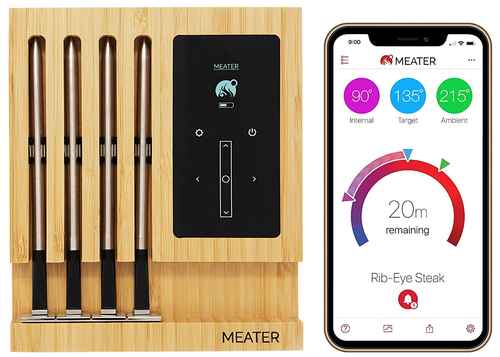
- Internal temperature reads 160°F (71°C) for safe egg consumption.
For Meat-Inclusive Dishes
- Sausages or bacon should appear fully cooked with no pink interior.
- Ground meat should be brown throughout.
For Potato-Based Layers
- Forks should glide through potatoes with no resistance.
- Potatoes at the bottom should be soft but not mushy.
Aroma As A Guide
Slow-cooked breakfast dishes emit a rich, developed scent when fully done. If it still smells raw, faint, or overly eggy, it likely needs more time.
Ingredients Needed
Ingredients vary by recipe style, but a traditional slow-cooker breakfast casserole usually includes:
Base Ingredients
- Eggs (typically 8-12 for a standard 6-quart cooker)
- Milk or half-and-half for creaminess
- Cheese (cheddar, Monterey Jack, or a blend)
- Potatoes (frozen hash browns, diced fresh potatoes, or shredded potatoes)
Proteins
- Breakfast sausage (crumbled or sliced)
- Bacon (cooked and crumbled)
- Ham cubes
- Vegetarian options like plant-based sausage
Vegetables
- Bell peppers
- Onions
- Spinach or kale
- Mushrooms
- Jalapeños for spice
Seasonings
- Salt and pepper
- Garlic powder
- Smoked paprika
- Dried herbs such as thyme, oregano, or parsley
These core items can be swapped or expanded depending on personal taste.
How To Make Breakfast In Slow Cooker
Prepare Ingredients
- Cook proteins such as sausage or bacon in advance to remove excess fat.
- Chop vegetables uniformly so they cook evenly.
- If using fresh potatoes, rinse and dry them well to remove starch.
Grease The Slow Cooker
A light coating of butter, oil, or nonstick spray prevents sticking and makes cleanup easier.
Layer Your Ingredients Thoughtfully
Layering is crucial:
- Potatoes on the bottom to form a sturdy foundation.
- Cooked meats over the potatoes.
- Vegetables spread evenly for balanced flavor.
- Cheese distributed throughout for melting consistency.
Pour Egg Mixture Over The Layers
Whisk eggs with milk and seasonings, then pour evenly over the entire contents.
Ensure liquid reaches the bottom by giving a slight shake.
Cook
- LOW for 6-8 hours or
-
HIGH For 2½-4 Hours
Avoid lifting the lid early; heat loss significantly extends cook time.
Rest Before Serving
Allow the dish to sit 10-15 minutes on warm to firm up, ensuring clean slices.
When Things Go Wrong
Even with a slow cooker, issues may arise. Here are common problems and solutions:
Runny Or Undercooked Eggs
- Cook longer on LOW to allow gentle setting.
- If liquid pools on top, gently stir and continue cooking.
Mushy Potatoes
- Happens when using thawed hash browns or overcooking.
- Use frozen hash browns or diced fresh potatoes next time.
Excess Grease
- Caused by using uncooked sausage or fatty bacon.
- Always pre-cook meats and drain thoroughly.
Burnt Edges
- Occurs if the cooker is too full or the setting is too high.
- Reduce heat or cooking time; use a slow cooker liner to prevent scorching.
Flavor Too Bland
- Eggs absorb seasoning, so dishes require more salt and spices than expected.
- Add cheese varieties or smoked seasonings for complexity.
Expert Tips
- Use liners or parchment to ease cleanup and prevent sticking.
- Avoid overfilling; two-thirds full is the maximum safe level.
- Choose the right slow cooker size-6-quart is ideal for breakfast casseroles.
- Add delicate greens last during the final hour to avoid over-wilting.
- Let ingredients cool slightly before layering to prevent premature egg cooking when pouring the mixture over hot ingredients.
- Taste your egg mixture before cooking to ensure proper seasoning.
Can I Do This Without A Slow Cooker?
Yes. Although the slow cooker provides the signature low-and-slow texture, you can replicate the dish using the following methods:
Oven Method
- Layer ingredients in a greased casserole dish.
- Bake at 350°F (175°C) for 45-60 minutes.
- Check for an internal temperature of 160°F (71°C).
Stovetop Method
- Use a large, deep skillet with a lid.
- Cook on low heat for 25-35 minutes, checking occasionally for doneness.
- More hands-on than a slow cooker but still effective.
While neither method mimics the extended melding of flavors, both produce excellent results.
Reheating Leftovers In Slow Cooker
Reheating leftovers in a slow cooker should be done carefully for food-safety reasons:
Safe Method
- Place leftovers in the slow cooker.
- Add a splash of milk or broth if the dish seems dry.
- Heat on LOW for 1-2 hours until warmed through and reaching 165°F (74°C).
Important Notes
- Never reheat on WARM; it does not reach safe temperatures quickly enough.
- Avoid reheating very large, thick portions unless broken into smaller pieces to ensure even heating.
FAQs
What Types Of Breakfast Can I Make In A Slow Cooker?
You can prepare a wide range of breakfast dishes in a slow cooker, including oatmeal, frittatas, breakfast casseroles, egg bites, French toast casserole, breakfast burritos, and even baked goods like muffins and cinnamon rolls. The slow cooker is particularly useful for recipes that benefit from slow, even cooking and flavors melding together.
Do I Need To Preheat My Slow Cooker Before Making Breakfast?
Preheating is not always necessary, but it can help ensure even cooking, especially for recipes like casseroles or egg-based dishes. Some recipes are designed to start from a cold slow cooker to allow ingredients to gradually heat together, which can enhance flavor and texture.
Can I Use Frozen Ingredients In My Slow Cooker Breakfast Recipes?
Yes, many slow cooker recipes can accommodate frozen ingredients, but you may need to adjust the cooking time. For example, frozen fruits can be added directly to oatmeal or casseroles, but frozen meats may require additional cooking time to reach a safe temperature.
How Long Does It Typically Take To Make Breakfast In A Slow Cooker?
Cooking times vary depending on the recipe and temperature setting. On low, most slow cooker breakfasts take 4-8 hours, making them ideal for overnight cooking. On high, cooking may take 2-4 hours. Always follow the recipe instructions and check for doneness before serving.
Can I Use A Slow Cooker For Individual Servings Or Only Large Batches?
While slow cookers are often used for larger meals, you can use smaller or single-serve slow cookers to prepare individual portions. Mini slow cookers are available and are perfect for oatmeal, egg bites, or small casseroles.
Do I Need To Grease My Slow Cooker Before Making Breakfast?
Greasing your slow cooker is recommended for recipes that contain eggs, cheese, or sticky ingredients to prevent sticking. Use butter, oil, or nonstick cooking spray, depending on the recipe and your preference.
Can I Leave My Slow Cooker On Overnight To Make Breakfast Ready In The Morning?
Yes, this is one of the main advantages of using a slow cooker. Recipes like overnight oatmeal or breakfast casseroles can be cooked on low while you sleep and be ready when you wake up. Ensure you follow safety guidelines and use a slow cooker with an automatic ’keep warm’ feature if possible.
How Do I Prevent My Slow Cooker Breakfast From Becoming Watery Or Soggy?
To avoid watery results, avoid adding excessive liquid unless the recipe calls for it. For dishes like egg casseroles, drain vegetables or meats that release water during cooking. Layering ingredients correctly and using the recommended cook times also helps maintain proper texture.
Can I Add Spices Or Herbs To My Slow Cooker Breakfast?
Absolutely. Slow cooking allows spices and herbs to infuse throughout the dish. Add fresh herbs toward the end of cooking to preserve flavor, and dried herbs or spices can be added at the beginning to develop depth and complexity.
How Do I Clean My Slow Cooker After Making Breakfast?
Most slow cooker inserts are removable and dishwasher safe, making cleaning easy. For stuck-on food, soak the insert in warm, soapy water before scrubbing gently. Avoid using abrasive cleaners on nonstick surfaces to maintain the longevity of your slow cooker.