
How To Make Brisket In Slow Cooker [GUIDE]
Brisket is a cut of beef known for its rich flavor and tender, melt-in-your-mouth texture when cooked properly. Derived from the lower chest of the cow, brisket contains a significant amount of connective tissue and fat, which makes it ideal for slow, gentle cooking methods that break down collagen into gelatin. While traditional methods often involve long hours in the oven or smoking over wood, the slow cooker offers a convenient, hands-off alternative that still yields deeply flavorful results. Using a slow cooker allows the brisket to simmer in its own juices or a flavorful broth, ensuring each bite is tender, juicy, and infused with the seasonings of your choice. For home cooks seeking minimal effort with maximum reward, this method is a game-changer.
Contents
- 1 How Long To Make Brisket In Slow Cooker
- 2 How To Tell If It Is Done
- 3 Ingredients Needed
- 4 How To Make Brisket In Slow Cooker
- 5 When Things Go Wrong
- 6 Expert Tips
- 7 Can I Do This Without A Slow Cooker?
- 8 Reheating Leftovers In Slow Cooker
- 9 FAQs
- 9.1 What Is The Best Cut Of Brisket For Slow Cooking?
- 9.2 How Long Should I Cook Brisket In A Slow Cooker?
- 9.3 Should I Sear The Brisket Before Slow Cooking It?
- 9.4 What Kind Of Seasoning Should I Use For Slow Cooker Brisket?
- 9.5 Can I Add Vegetables To The Slow Cooker With The Brisket?
- 9.6 What Liquid Should I Use To Cook Brisket In A Slow Cooker?
- 9.7 How Do I Know When My Brisket Is Done In The Slow Cooker?
- 9.8 Can I Cook Brisket In A Slow Cooker Overnight?
- 9.9 How Should I Store Leftover Brisket?
- 9.10 Can I Make Brisket Without Using A Slow Cooker?
How Long To Make Brisket In Slow Cooker
The cooking time for brisket in a slow cooker depends on the size of the cut and the temperature setting of your appliance. On low heat, which is ideal for achieving tender, fall-apart meat, a brisket generally requires 8 to 10 hours. On high heat, cooking time reduces to 4 to 6 hours, but this carries a slightly higher risk of the meat drying out if not monitored closely.
It’s important to note that brisket is a tough cut, and rushing the cooking process can result in a chewy, unappetizing texture. Slow cooking at lower temperatures allows the connective tissue to gradually break down, creating a rich, gelatinous texture that coats the palate and makes the meat truly succulent.
How To Tell If It Is Done
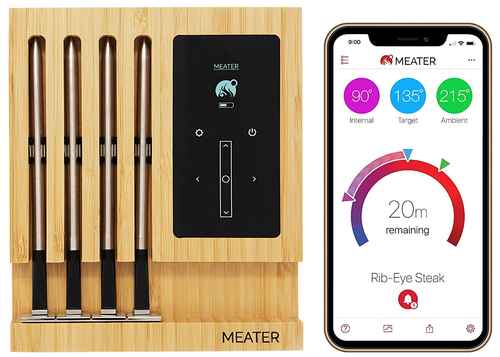
Determining doneness is crucial for brisket. Unlike steaks, which can be gauged with visual cues or touch alone, brisket requires both temperature checks and tactile tests:
- Internal Temperature: A fully cooked brisket should reach 190-205°F (88-96°C) internally. This range ensures the collagen has melted into gelatin, creating a soft, tender texture.
- Fork Test: Insert a fork into the thickest part of the meat. If it slides in effortlessly and the meat begins to shred without resistance, the brisket is done.
- Juices: The meat should release juices when cut, but these should be rich and flavorful, not thin and watery.
Patience is key. Even if the brisket reaches the proper temperature, giving it a short rest outside the slow cooker allows the juices to redistribute, preventing dryness.
Ingredients Needed
For a classic slow cooker brisket, you will need:
- Brisket: 3-5 pounds, preferably with some fat cap for flavor and moisture
- Salt and pepper: For basic seasoning
- Garlic powder and onion powder: To enhance depth of flavor
- Beef broth or stock: About 1 cup, to keep the meat moist
- Worcestershire sauce: 2-3 tablespoons, for umami richness
- Brown sugar or honey: Optional, for a slight caramelized sweetness
- Smoked paprika or chili powder: Optional, for a smoky or spicy kick
- Vegetables (optional): Carrots, onions, and celery for added flavor and a built-in side
These ingredients can be adjusted depending on your flavor profile preferences. The slow cooker acts like a flavor incubator, intensifying spices and aromatics over the long cooking time.
How To Make Brisket In Slow Cooker
- Prepare the meat: Trim excess fat if necessary, but leave a thin layer to retain moisture. Pat dry with paper towels.
- Season: Generously rub salt, pepper, garlic powder, and onion powder over the brisket. Optionally, add paprika or chili powder.
- Sear (optional but recommended): Heat a skillet over medium-high heat with a small amount of oil. Sear the brisket for 2-3 minutes on each side until browned. This step enhances flavor through the Maillard reaction.
- Prepare the slow cooker: Place chopped onions, carrots, and celery (if using) in the bottom. Pour in beef broth and Worcestershire sauce.
- Cook: Place the brisket fat side up in the slow cooker. Cover and cook on low for 8-10 hours or high for 4-6 hours. Resist lifting the lid frequently, as this slows cooking.
- Rest and slice: Remove the brisket and let it rest for 15-20 minutes. Slice against the grain for maximum tenderness. Serve with the vegetables and cooking juices.
When Things Go Wrong
Even with a slow cooker, brisket can sometimes go awry. Common issues include:
- Dry meat: Usually caused by cooking on high too long or insufficient fat. Solution: Ensure a fat cap remains and cook low and slow.
- Tough meat: Undercooked brisket has not fully broken down collagen. Solution: Continue cooking, checking every 30 minutes.
- Bland flavor: Slow cooking can dilute seasoning. Solution: Sear the meat beforehand, or adjust seasoning after cooking.
Avoid these pitfalls by monitoring temperature and timing carefully.
Expert Tips
- Fat side up: This allows fat to baste the meat naturally.
- Low and slow: Cooking on low preserves moisture and maximizes tenderness.
- Rest the meat: A 15-20 minute rest ensures juices are retained.
- Slice against the grain: Prevents stringy, chewy bites.
- Flavor layering: Sear meat, sauté vegetables, and season well to build depth.
Can I Do This Without A Slow Cooker?
Yes. Brisket can be cooked using:
- Oven: Wrap in foil and bake at 300°F (150°C) for 3-4 hours per 3 pounds, adding broth or sauce for moisture.
- Instant Pot or pressure cooker: Reduce cooking time to 1-1.5 hours for a similar tender result.
- Stovetop braising: Simmer gently in a heavy pot for 4-6 hours.
Each method requires low heat and moisture retention for tender results.
Reheating Leftovers In Slow Cooker
Slow cookers are perfect for reheating without drying out brisket:
- Slice the brisket and place it back in the slow cooker.
- Add a few tablespoons of broth or leftover cooking juices.
- Heat on low for 1-2 hours, stirring occasionally.
- Avoid high heat to prevent overcooking and drying the meat.
This method keeps the meat moist and allows flavors to continue melding.
FAQs
What Is The Best Cut Of Brisket For Slow Cooking?
The best cut of brisket for slow cooking is the ’flat’ cut, which is leaner and easier to slice. The ’point’ cut, which is fattier, can also be used if you prefer a juicier, more flavorful result. Both cuts can yield tender, flavorful brisket when slow-cooked properly.
How Long Should I Cook Brisket In A Slow Cooker?
Brisket should be slow-cooked for 8 to 10 hours on the low setting, or 5 to 6 hours on the high setting. The cooking time may vary depending on the size of the brisket, so it’s important to check the tenderness with a fork or meat thermometer to ensure it’s fully cooked.
Should I Sear The Brisket Before Slow Cooking It?
Searing the brisket before placing it in the slow cooker can enhance the flavor and create a richer, caramelized crust. While it’s not strictly necessary, many people recommend browning the brisket in a hot pan for 3 to 5 minutes per side before transferring it to the slow cooker.
What Kind Of Seasoning Should I Use For Slow Cooker Brisket?
For a flavorful brisket, use a dry rub with ingredients like salt, black pepper, garlic powder, onion powder, paprika, brown sugar, and a touch of chili powder. You can also marinate the brisket overnight with your preferred spices or use a combination of broth, soy sauce, and Worcestershire sauce for added depth of flavor.
Can I Add Vegetables To The Slow Cooker With The Brisket?
Yes, you can add vegetables such as carrots, onions, potatoes, and garlic to the slow cooker along with the brisket. These vegetables will cook in the brisket’s juices and become tender, adding flavor to the dish. Be mindful of the size and cut of the vegetables to ensure they cook evenly.
What Liquid Should I Use To Cook Brisket In A Slow Cooker?
You can use beef broth, vegetable broth, or even a combination of broth and a bit of wine, beer, or water to create a flavorful cooking liquid. The liquid helps keep the brisket moist and tender as it cooks. Ensure that there’s enough liquid to cover at least a third of the brisket during cooking.
How Do I Know When My Brisket Is Done In The Slow Cooker?
Your brisket is done when it reaches an internal temperature of 195-205°F (90-96°C) and is fork-tender, meaning a fork should easily slide in and out of the meat. You can check the tenderness by poking it with a fork or using a meat thermometer.
Can I Cook Brisket In A Slow Cooker Overnight?
Yes, you can cook brisket in a slow cooker overnight by setting it to cook on low for 8 to 10 hours. However, be cautious about overcooking. If your slow cooker has a timer or auto-shutoff function, make sure it is set correctly to avoid cooking the brisket for too long.
How Should I Store Leftover Brisket?
After the brisket has cooled to room temperature, store any leftovers in an airtight container in the refrigerator for up to 4 days. To freeze brisket, wrap it tightly in plastic wrap or aluminum foil and place it in a freezer bag for up to 3 months. When reheating, add a bit of liquid to maintain moisture.
Can I Make Brisket Without Using A Slow Cooker?
Yes, you can make brisket in an oven, pressure cooker, or Instant Pot if you don’t have a slow cooker. For oven cooking, braise the brisket in a covered roasting pan at a low temperature (around 300°F) for several hours. For a pressure cooker or Instant Pot, cook on high pressure for 60-90 minutes, depending on the size of the brisket.