
How To Make Chicken Pasta In Slow Cooker [GUIDE]
Chicken pasta in a slow cooker is the perfect marriage of convenience and comfort. Imagine tender chunks of chicken simmering slowly in a rich, creamy sauce, infused with aromatic herbs and mingling with perfectly cooked pasta. The slow cooker, or crockpot, elevates this dish by allowing flavors to develop over several hours, transforming simple ingredients into a hearty, satisfying meal. Whether it’s a busy weeknight, a cozy weekend dinner, or a make-ahead dish for a gathering, slow cooker chicken pasta is versatile, forgiving, and incredibly rewarding. Unlike stovetop cooking, where timing and attention are critical, the slow cooker gives you freedom-you can set it, forget it, and return to a meal that feels like it took hours of careful preparation.
Contents
- 1 How Long To Make Chicken Pasta In Slow Cooker
- 2 How To Tell If It Is Done
- 3 Ingredients Needed
- 4 How To Make Chicken Pasta In Slow Cooker
- 5 When Things Go Wrong
- 6 Expert Tips
- 7 Can I Do This Without A Slow Cooker?
- 8 Reheating Leftovers In Slow Cooker
- 9 FAQs
- 9.1 Can I Use Raw Chicken In A Slow Cooker Pasta Recipe?
- 9.2 Should I Add Pasta At The Beginning Of Cooking?
- 9.3 What Type Of Pasta Works Best In A Slow Cooker?
- 9.4 Do I Need To Pre-cook The Chicken Before Adding It?
- 9.5 How Much Liquid Should I Add To The Slow Cooker?
- 9.6 Can I Add Vegetables To The Chicken Pasta?
- 9.7 How Do I Prevent The Pasta From Sticking Together?
- 9.8 Is It Possible To Use Frozen Chicken?
- 9.9 Can I Make A Creamy Chicken Pasta In A Slow Cooker?
- 9.10 How Should I Store Leftovers?
How Long To Make Chicken Pasta In Slow Cooker
Cooking chicken pasta in a slow cooker requires patience but delivers exceptional results. Generally, the cooking time varies based on your chosen temperature setting and whether the pasta is added at the beginning or toward the end:
- Low setting: 4-6 hours. Cooking on low allows chicken to become extremely tender and flavors to meld perfectly. If the pasta is added at the start, it may become mushy, so it’s best to add it during the final 20-30 minutes.
- High setting: 2-3 hours. This is ideal for quicker meals, though careful monitoring is needed to avoid overcooking the chicken or sauce.
The key is to remember that slow cooking is about gentle, prolonged heat. Rushing it may yield less tender chicken and a less flavorful sauce.
How To Tell If It Is Done
Determining doneness for slow cooker chicken pasta is crucial for both safety and texture. Here are the indicators to look for:
- Chicken texture: Chicken should be opaque, easily shredded or cut, and tender. If it still looks pink in the thickest part, it needs more cooking.
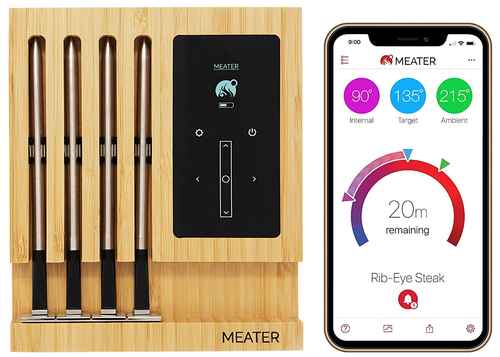
- Internal temperature: Using a meat thermometer is the safest method. Chicken should reach 165°F (74°C) internally.
- Pasta texture: If pasta is cooked in the slow cooker, it should be soft but not mushy. Overcooked pasta will absorb too much liquid and create a gluey consistency.
Proper doneness ensures a dish that is not only safe to eat but also has the perfect balance of tender chicken, creamy sauce, and al dente pasta.
Ingredients Needed
For a classic slow cooker chicken pasta, you will typically need:
- 1-1.5 lbs boneless, skinless chicken breasts or thighs
- 12 oz pasta (penne, rotini, or shells work well)
- 2-3 cups chicken broth
- 1 cup heavy cream or half-and-half
- 1 can (14.5 oz) diced tomatoes, drained
- 1 medium onion, finely chopped
- 3-4 cloves garlic, minced
- 1-2 cups shredded cheese (mozzarella, cheddar, or a blend)
- 1 tsp Italian seasoning or dried herbs (basil, oregano, thyme)
- Salt and pepper to taste
- Optional: spinach, mushrooms, bell peppers, or sun-dried tomatoes for added flavor and nutrition
These ingredients can be adapted depending on dietary preferences or availability, making this dish highly customizable.
How To Make Chicken Pasta In Slow Cooker
- Prep the chicken: Season chicken breasts or thighs with salt, pepper, and Italian seasoning. Searing in a hot skillet for 2-3 minutes per side is optional but enhances flavor.
- Layer ingredients: Place chicken in the slow cooker, then add onions, garlic, diced tomatoes, and any optional vegetables. Pour in the chicken broth and cream.
- Cook: Cover and cook on low for 4-6 hours or high for 2-3 hours, until chicken is tender.
- Shred chicken: Remove chicken from the slow cooker, shred with two forks, and return to the sauce.
- Add pasta: Stir in uncooked pasta, cover, and cook for another 20-30 minutes until the pasta is tender. Adjust seasoning with salt and pepper.
- Finish with cheese: Stir in shredded cheese and let it melt into the creamy sauce before serving.
This process ensures the chicken is succulent, the pasta is perfectly cooked, and the sauce is rich and flavorful.
When Things Go Wrong
Even experienced cooks encounter issues. Here’s how to troubleshoot:
- Chicken is dry: Likely overcooked or cooked on high for too long. Use thighs next time for juicier results.
- Pasta is mushy: Avoid cooking pasta for the entire slow-cooking process; add it toward the end.
- Sauce too thin: Remove the lid and cook for 20-30 minutes to reduce liquid, or stir in a small slurry of cornstarch and water.
- Sauce too thick: Add more chicken broth or cream gradually until desired consistency is achieved.
Slow cooker recipes are forgiving, but subtle adjustments make all the difference.
Expert Tips
- Layering matters: Place chicken at the bottom for even cooking, with vegetables and seasonings layered on top.
- Avoid lifting the lid frequently: Each lift reduces temperature and extends cooking time.
- Shred chicken carefully: Doing so in the slow cooker risks over-mixing and turning sauce gummy; remove first.
- Use good-quality broth: The broth forms the base of the sauce, so a richer flavor improves the final dish.
- Fresh herbs at the end: Add basil or parsley just before serving for vibrant aroma and color.
These small steps elevate a simple slow cooker dish into something extraordinary.
Can I Do This Without A Slow Cooker?
Absolutely. This recipe can be adapted for stovetop or oven:
- Stovetop: Simmer chicken, vegetables, and broth in a large pot over medium-low heat for 25-35 minutes until chicken is cooked. Add pasta toward the end and cook until tender.
- Oven: Bake ingredients covered in a Dutch oven at 350°F (175°C) for 45-60 minutes, then add pasta for the last 15-20 minutes.
The slow cooker, however, allows the flavors to develop more deeply with minimal supervision.
Reheating Leftovers In Slow Cooker
Reheating leftovers in a slow cooker keeps the dish creamy and prevents drying out:
- Place leftovers in the slow cooker.
- Add a splash of chicken broth or cream to loosen the sauce.
- Heat on low for 1-2 hours or on high for 30-60 minutes, stirring occasionally.
Avoid reheating on high for too long, as it can overcook the pasta and make the chicken tough.
FAQs
Can I Use Raw Chicken In A Slow Cooker Pasta Recipe?
Yes, raw chicken can be used. Cooking it in the slow cooker ensures it becomes tender and absorbs the flavors of the sauce. Typically, chicken breasts or thighs are used, and they should cook on low for 4-6 hours or on high for 2-3 hours.
Should I Add Pasta At The Beginning Of Cooking?
No, pasta should usually be added in the last 30 minutes of cooking. Adding it at the beginning can result in overcooked, mushy noodles. Stirring occasionally helps ensure even cooking.
What Type Of Pasta Works Best In A Slow Cooker?
Short pasta shapes like penne, rotini, or fusilli are ideal because they hold their shape and cook evenly in the slow cooker. Avoid very thin pastas like angel hair, as they tend to become overly soft.
Do I Need To Pre-cook The Chicken Before Adding It?
It is not necessary, but browning the chicken first can enhance the flavor. Pre-cooking can also reduce fat content and help the chicken retain texture, though the slow cooker will cook raw chicken safely.
How Much Liquid Should I Add To The Slow Cooker?
Typically, 2 to 3 cups of liquid such as chicken broth, cream, or a tomato-based sauce is sufficient. The liquid helps cook the chicken and pasta and prevents the dish from drying out. Adjust depending on the sauce thickness you prefer.
Can I Add Vegetables To The Chicken Pasta?
Yes, vegetables like bell peppers, mushrooms, spinach, and zucchini can be added. Harder vegetables like carrots or broccoli should be cut into smaller pieces and added at the start, while softer vegetables like spinach should be added in the last 30 minutes.
How Do I Prevent The Pasta From Sticking Together?
Stir the pasta occasionally after adding it and ensure there is enough liquid. Using a little olive oil or butter in the sauce can also help keep the pasta from clumping.
Is It Possible To Use Frozen Chicken?
Yes, frozen chicken can be used, but it will increase the cooking time slightly. Ensure the chicken reaches an internal temperature of 165°F (74°C) for safe consumption.
Can I Make A Creamy Chicken Pasta In A Slow Cooker?
Absolutely. Use ingredients like cream cheese, heavy cream, or a combination of milk and cheese. Add these creamy ingredients in the last hour of cooking to prevent curdling.
How Should I Store Leftovers?
Allow the chicken pasta to cool completely, then store it in an airtight container in the refrigerator for up to 3-4 days. For longer storage, it can be frozen for up to 2-3 months. Reheat gently on the stove or in the microwave to maintain texture.