
How To Make Chicken Skin Crispy In Slow Cooker [GUIDE]
Chicken is one of the most versatile proteins in the culinary world, beloved for its ability to absorb flavors and its adaptability across countless cuisines. While slow cookers are famous for producing tender, juicy chicken with minimal effort, achieving crispy skin in this gentle cooking environment has historically been considered impossible. The slow cooker’s low-and-slow approach typically generates a moist cooking environment, which tends to soften the skin rather than crisp it. However, with careful technique and a few strategic steps, you can enjoy chicken that is both tender and topped with a satisfyingly crisp, golden skin. This guide will explore exactly how to achieve that delicate balance between melt-in-your-mouth meat and irresistibly crunchy skin, covering everything from ingredients to troubleshooting common pitfalls.
Contents
- 1 How Long To Make Chicken Skin Crispy In Slow Cooker
- 2 How To Tell If It Is Done
- 3 Ingredients Needed
- 4 How To Make Chicken Skin Crispy In Slow Cooker
- 5 When Things Go Wrong
- 6 Expert Tips
- 7 Can I Do This Without A Slow Cooker?
- 8 Reheating Leftovers In Slow Cooker
- 9 FAQs
- 9.1 Can You Make Chicken Skin Crispy In A Slow Cooker?
- 9.2 What Is The Best Method To Get Crispy Skin After Slow Cooking?
- 9.3 Should I Remove The Chicken Skin Before Slow Cooking?
- 9.4 Does Seasoning Affect The Crispiness Of Chicken Skin In A Slow Cooker?
- 9.5 Can I Use A Slow Cooker Lid During Cooking If I Want Crispy Skin?
- 9.6 Is There A Slow Cooker Technique That Produces Slightly Crisp Skin Without The Oven?
- 9.7 Should I Pat The Chicken Skin Dry Before Slow Cooking?
- 9.8 Can Adding Oil Or Butter Help Make Chicken Skin Crispy In A Slow Cooker?
- 9.9 Does Cooking Time Affect The Crispiness Of Chicken Skin In A Slow Cooker?
- 9.10 Are There Alternative Tools To Make Slow-cooked Chicken Skin Crispy?
How Long To Make Chicken Skin Crispy In Slow Cooker
The time required to achieve crispy skin in a slow cooker depends on a combination of factors: the type of chicken, whether you are using bone-in or boneless pieces, and the temperature setting of your slow cooker. Traditionally, slow cooking chicken takes between 3 to 4 hours on the high setting or 6 to 7 hours on low for fully cooked, tender meat. However, slow cooking alone will not crisp the skin.
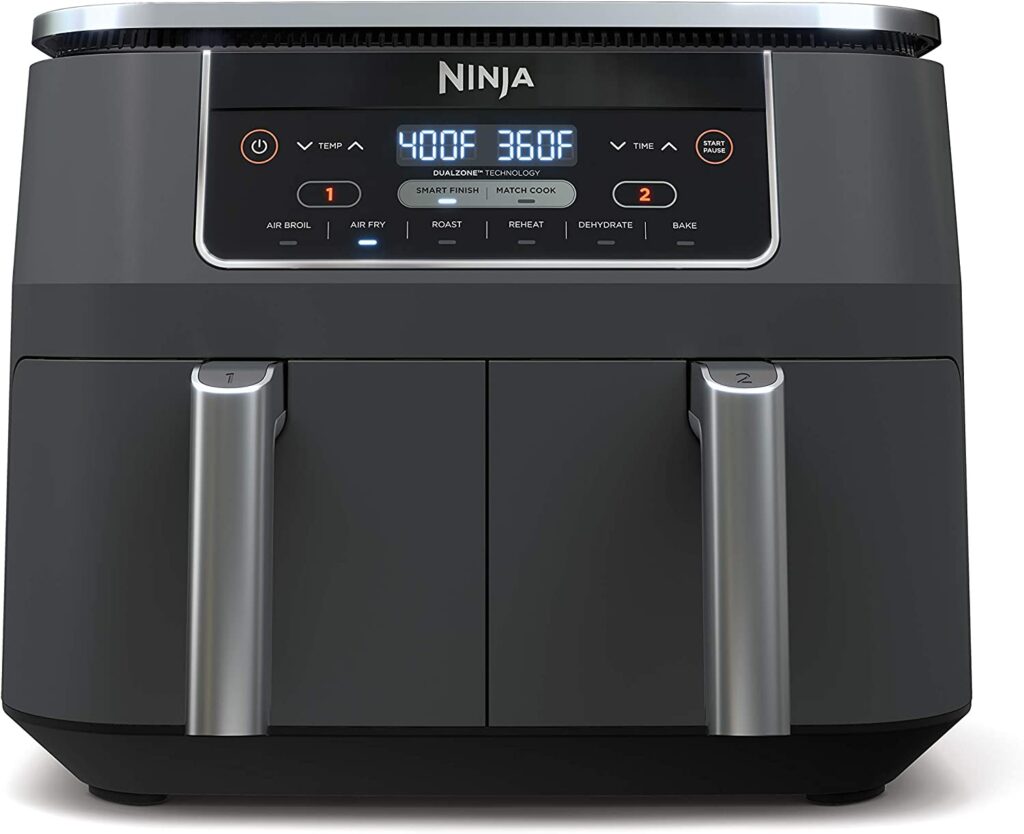
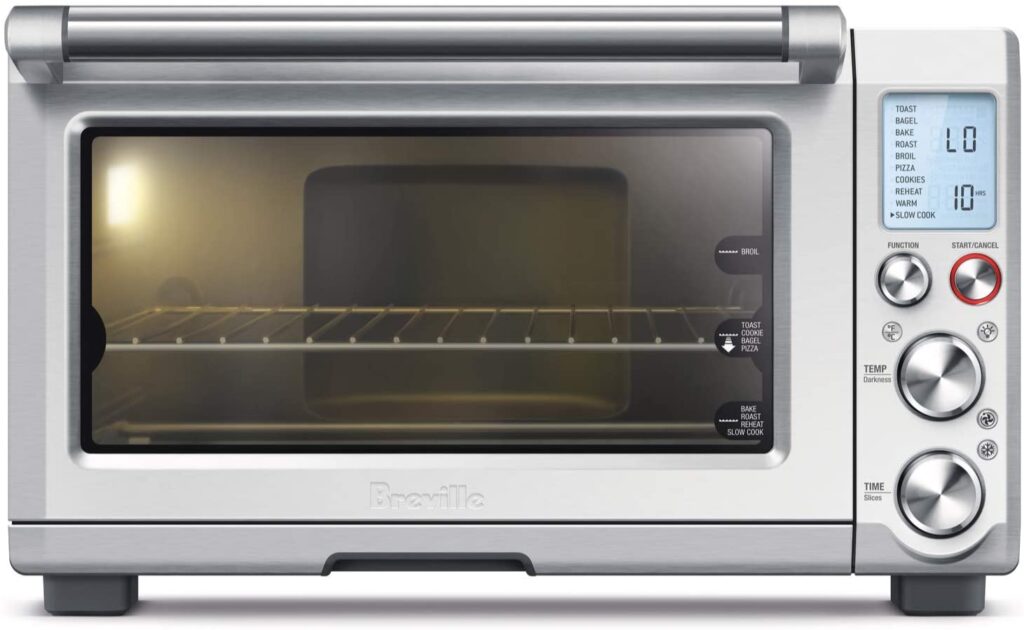
The trick is to slow-cook the chicken just enough for it to be fully cooked through while keeping the skin dry, followed by a brief, high-heat step to crisp it. For instance, chicken thighs or drumsticks typically require 3-4 hours on high or 5-6 hours on low to cook thoroughly in a slow cooker. After that, transferring the chicken to a broiler, oven, or even a hot skillet for 5-10 minutes is usually sufficient to crisp the skin without drying the meat.
How To Tell If It Is Done
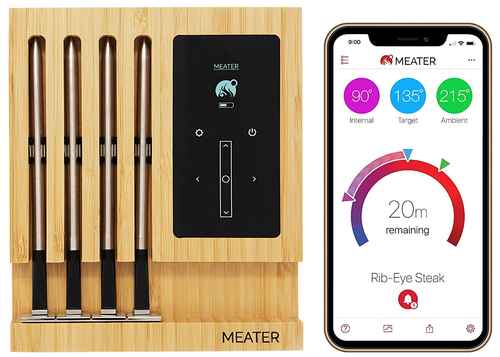
Ensuring your chicken is safely cooked while retaining moisture is crucial. The most reliable method is using a meat thermometer: insert it into the thickest part of the meat without touching bone. Chicken is safe to eat at an internal temperature of 165°F (74°C).
Other indicators include:
- Juices run clear: When you pierce the chicken, the liquid should be clear, not pink or bloody.
- Firm but tender texture: The meat should spring back slightly when pressed and separate easily from the bone.
- Skin readiness: Even though the slow cooker may not crisp the skin, it should appear slightly taut and not overly rubbery before the finishing crisp step.
Ingredients Needed
To make crispy chicken skin in a slow cooker, the ingredient list is deceptively simple, but the quality and preparation matter:
- Chicken pieces with skin: Thighs, drumsticks, or bone-in breasts are ideal. Skin-on is essential for crisping.
- Salt: Helps draw moisture out of the skin, aiding crispness.
- Oil or butter: Brushing a small amount on the skin before finishing in the oven helps achieve a golden crust.
- Seasonings: Pepper, garlic powder, paprika, or any spices of your choice enhance flavor.
- Optional aromatics: Onions, garlic cloves, or herbs can be added to the slow cooker for extra flavor without interfering with skin texture.
Avoid overcrowding the slow cooker with too much liquid. Moisture is great for flavor but detrimental to crisp skin.
How To Make Chicken Skin Crispy In Slow Cooker
- Prepare the chicken: Pat chicken pieces dry thoroughly with paper towels. Moisture on the skin is the main enemy of crisping.
- Season generously: Sprinkle salt, pepper, and other desired seasonings over the skin. Let it sit for 15-30 minutes to draw out some moisture.
- Slow cook: Place chicken in the slow cooker on a rack above a small amount of liquid, such as chicken broth. Cooking on low for 5-6 hours or high for 3-4 hours ensures tender meat.
- Dry the skin: Once cooked, remove chicken and pat skin dry again if needed.
- Crisp the skin: Transfer the chicken to a preheated oven at 425°F (220°C) or under a broiler for 5-10 minutes. Brush lightly with oil or butter for extra browning. Keep a close eye to prevent burning.
- Serve immediately: Crispy skin loses its texture quickly if left sitting, so serve right after crisping for the best experience.
When Things Go Wrong
Even experienced cooks can encounter challenges when attempting crispy skin from a slow cooker:
- Skin is rubbery: Often caused by excess moisture or skipping the drying step before crisping.
- Skin is pale: Insufficient finishing heat or lack of oil/butter can prevent browning.
- Chicken is dry: Overcooking or crisping for too long at high heat can lead to moisture loss.
Fixes: Use a kitchen towel to absorb excess moisture, ensure the broiler/oven is fully preheated, and limit crisping time while keeping an eye on the chicken.
Expert Tips
- Use a rack: Elevating chicken above liquids in the slow cooker keeps the bottom from becoming soggy.
- Air-dry the skin: After slow cooking, letting chicken rest in the fridge for 15-20 minutes can further dry the skin and improve crisping.
- Oil strategically: A light brush of high-smoke-point oil ensures even browning and avoids sticking.
- Season in layers: Salt before slow cooking for moisture control, then additional seasoning before crisping for flavor depth.
Can I Do This Without A Slow Cooker?
Yes. Achieving crispy skin can also be done entirely in the oven or on the stovetop:
- Oven: Roast chicken at 325°F (163°C) for 20-25 minutes per pound, then finish under a broiler at high heat.
- Stovetop: Sear chicken skin-side down in a hot skillet until golden brown, then finish cooking at lower heat with a lid to keep meat tender.
The slow cooker is convenient for hands-off cooking, but traditional methods often yield even crispier skin due to the dry heat environment.
Reheating Leftovers In Slow Cooker
Reheating crispy chicken in a slow cooker is tricky because the moist environment can soften the skin. If using a slow cooker:
- Keep the lid slightly ajar to reduce condensation.
- Reheat on low to warm the meat without further cooking it.
- For skin crispiness, it’s better to finish in a hot oven or skillet for 5-7 minutes after slow cooker reheating.
This preserves tenderness while bringing back some of the original crunch.
FAQs
Can You Make Chicken Skin Crispy In A Slow Cooker?
Slow cookers are designed to cook food at low temperatures and retain moisture, which makes it difficult to achieve crispy skin directly in the cooker. However, you can slow cook the chicken first and then finish it under a broiler or in a hot oven to crisp the skin.
What Is The Best Method To Get Crispy Skin After Slow Cooking?
After slow cooking, remove the chicken from the cooker, pat the skin dry, and place it on a baking sheet. Broil or roast in a preheated oven at 425°F (220°C) for 10-15 minutes until the skin is golden brown and crispy.
Should I Remove The Chicken Skin Before Slow Cooking?
It is not necessary to remove the skin, as it adds flavor and helps retain moisture. To get crispy skin later, keep it on and dry it thoroughly before broiling or roasting after slow cooking.
Does Seasoning Affect The Crispiness Of Chicken Skin In A Slow Cooker?
Yes. Seasonings like salt and baking powder can help draw out moisture from the skin, improving the potential for crispiness during the finishing step in the oven or broiler.
Can I Use A Slow Cooker Lid During Cooking If I Want Crispy Skin?
Using the lid traps moisture, which prevents skin from crisping. For the best results, cook with the lid on until the chicken is fully cooked, then remove the lid before transferring to the oven or broiler to crisp the skin.
Is There A Slow Cooker Technique That Produces Slightly Crisp Skin Without The Oven?
Some slow cookers have a sauté or high-heat setting that can brown the skin slightly before adding liquid. While it won’t achieve fully crispy skin like an oven, it can improve texture and appearance.
Should I Pat The Chicken Skin Dry Before Slow Cooking?
Patting the skin dry helps reduce excess moisture, which can slightly improve browning and crisping later. However, significant crispiness will still require an oven or broiler finish.
Can Adding Oil Or Butter Help Make Chicken Skin Crispy In A Slow Cooker?
Applying a small amount of oil or butter on the skin before finishing in the oven helps create a golden, crispy texture. During slow cooking, added fats won’t make the skin crispy because of the moisture-rich environment.
Does Cooking Time Affect The Crispiness Of Chicken Skin In A Slow Cooker?
Longer slow cooking can make the chicken tender but won’t improve skin crispiness. Crisp skin requires high, dry heat after slow cooking, so timing in the slow cooker mainly affects meat doneness and texture.
Are There Alternative Tools To Make Slow-cooked Chicken Skin Crispy?
Yes. Alternatives include using a cast-iron skillet on the stove, an air fryer, or a broiler after slow cooking. Each method exposes the skin to high, dry heat, which is essential for crispiness.