
How To Make Crispy Jacket Potatoes In Slow Cooker [GUIDE]
Jacket potatoes-crisp on the outside, fluffy at the core-are one of the simplest but most satisfying comfort foods. Yet many home cooks assume that achieving that shattering-crisp skin requires an oven blasting at high heat for over an hour. The slow cooker, however, offers an unexpectedly effective alternative. What it lacks in speed, it more than compensates for in convenience and consistency. With the right techniques, your slow cooker can produce jacket potatoes that are tender, richly flavored, and-after one crucial finishing step-beautifully crisped.
This guide examines the entire process in depth. You will learn not only how long to cook jacket potatoes in the slow cooker but also how to achieve maximum crispness, how to know with certainty when they are done, and how to avoid common pitfalls. Consider this your complete manual for transforming simple potatoes into a reliably impressive dish.
Contents
- 1 How Long To Make Crispy Jacket Potatoes In Slow Cooker
- 2 How To Tell If It Is Done
- 3 Ingredients Needed
- 4 How To Make Crispy Jacket Potatoes In Slow Cooker
- 5 When Things Go Wrong
- 6 Expert Tips
- 7 Can I Do This Without A Slow Cooker?
- 8 Reheating Leftovers In Slow Cooker
- 9 FAQs
- 9.1 Can I Make Crispy Jacket Potatoes Entirely In A Slow Cooker?
- 9.2 What Type Of Potatoes Are Best For Making Crispy Jacket Potatoes In A Slow Cooker?
- 9.3 How Should I Prepare The Potatoes Before Slow Cooking?
- 9.4 How Long Should I Cook Jacket Potatoes In A Slow Cooker?
- 9.5 Can I Add Flavorings While Slow Cooking Jacket Potatoes?
- 9.6 What Is The Best Method To Make The Skins Crispy After Slow Cooking?
- 9.7 Can I Cook Potatoes In Foil In A Slow Cooker?
- 9.8 How Can I Tell When Slow-cooked Jacket Potatoes Are Done?
- 9.9 Is It Possible To Make Crispy Jacket Potatoes In A Slow Cooker Without Using The Oven?
- 9.10 Can I Prepare Potatoes In Advance For Slow Cooking?
How Long To Make Crispy Jacket Potatoes In Slow Cooker
A slow cooker cannot directly crisp the skin; instead, it gently steams and bakes the potatoes until the interiors become tender and fluffy. Crisping is done separately at the end, but the slow cooker lays the essential foundation.
Timing Depends On Potato Size And Your Cooker’s Heat Output
-
On LOW
8 to 10 hours for medium to large potatoes.
Thicker-skinned varieties such as russets may edge closer to the 10-hour mark.
-
On HIGH
4 to 5 hours.
This is ideal for same-day cooking without planning an entire day ahead.
-
For Very Large Potatoes (300-350g+)
Add an extra 45-60 minutes on either setting.
You are not aiming for crispness inside the slow cooker. Instead, aim for uniform tenderness throughout the potato. Once cooked, you transfer the potatoes to the oven, air fryer, or grill to develop the signature crispy skin.
How To Tell If It Is Done
A jacket potato is perfectly cooked when the inner flesh is fully softened and yields with no resistance. Because slow cookers heat gently and evenly, the signs are reliable:
-
The Skewer Test
Insert a thin skewer or paring knife straight through the center. It should glide through effortlessly, without pressure or snagging.
-
The Gentle Squeeze Test
Using an oven glove or towel, give the potato a light squeeze. A done potato will compress easily and spring slightly back. If the center feels firm or rigid, it needs more time.
-
Steam Release
When you cut the potato open, steam should billow out. If the interior feels damp, waxy, or compressed rather than fluffy, continue cooking for another 30-60 minutes.
-
Even Texture
Doneness is not merely a soft exterior. Make sure the core is completely tender as well-cut one open to verify if cooking multiple potatoes.
Ingredients Needed
You can keep jacket potatoes wonderfully minimalist, or elevate them with flavored oils and seasonings. At their most basic:
- 4 large floury potatoes (russet, Maris Piper, King Edward, or Idaho varieties)
- Olive oil or melted butter
- Salt (ideally coarse sea salt)
-
Optional Enhancements
- Cracked black pepper
- Garlic powder
- Smoked paprika
- Fresh herbs (thyme or rosemary)
- Foil (optional, but not recommended for maximum crispness later)
How To Make Crispy Jacket Potatoes In Slow Cooker
Prepare The Potatoes
Wash and scrub thoroughly. The skin will be part of the final texture, so ensuring it is clean is essential. Pat dry completely-moisture interferes with both cooking and crisping.
Pierce Well
Use a fork to pierce each potato four to six times. This allows steam to escape and helps the heat penetrate evenly through the starchy core.
Season Generously
Rub each potato with a thin layer of olive oil or butter. Coat the skin with salt so it becomes flavorful and firm as it cooks. You may add your preferred seasonings at this stage.
Place In The Slow Cooker
Arrange the potatoes in a single layer, avoiding overlap. A crowded slow cooker can cause uneven cooking.
Do not add water. Slow cookers create their own moisture environment naturally.
Cook
Choose either LOW for all-day cooking or HIGH for a faster method.
Crisp The Skin
The slow cooker produces perfectly soft interiors but steams rather than crisps. Finish the potatoes using one of the following methods:
-
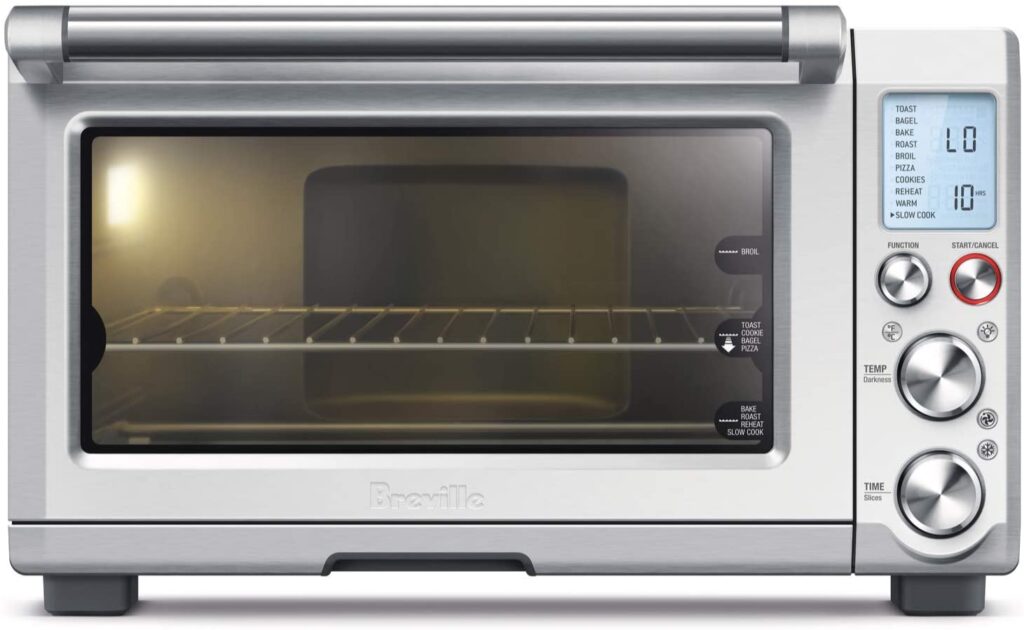
Oven Method
Place on a baking tray and bake at 220°C (425°F) for 15-20 minutes.
-
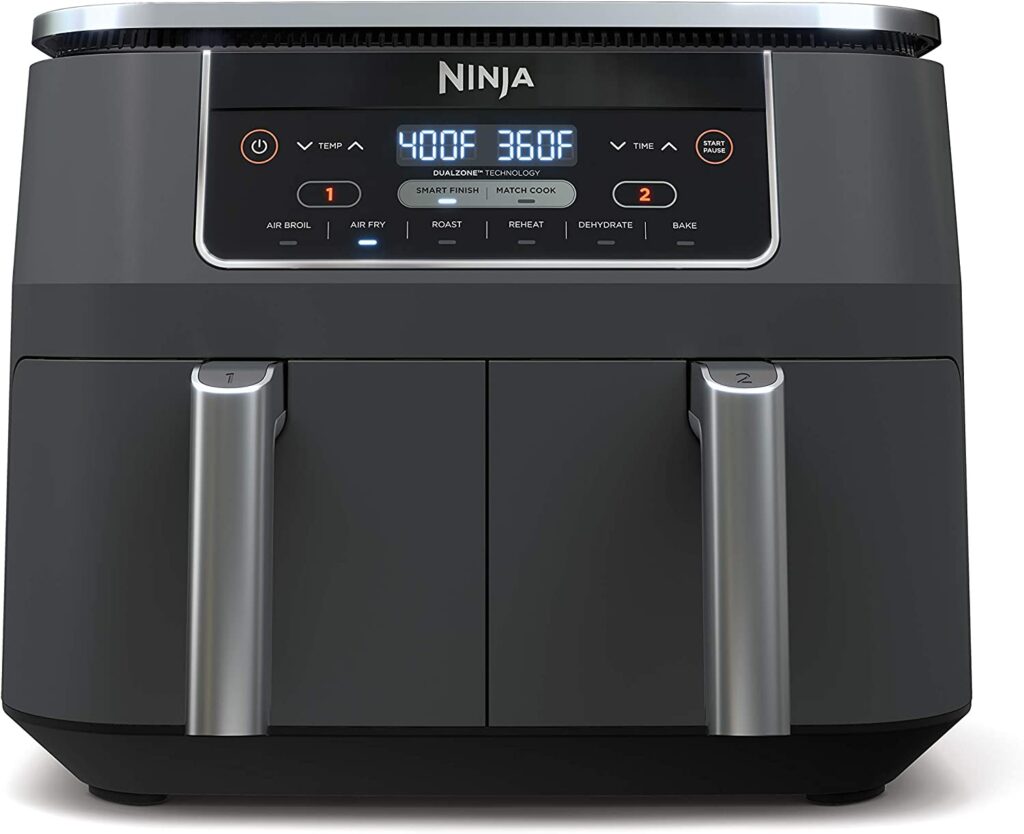
Air Fryer Method
Air fry at 200°C (390°F) for 8-12 minutes. This produces exceptional crunch.
-
Grill/Broiler Method
Grill for 5-8 minutes, turning halfway. Perfect if you want blistered skin.
The skins should emerge crackling, firm, and deeply savory.
When Things Go Wrong
Even a simple recipe has potential pitfalls. Here are the most common issues and how to correct them:
The Potatoes Are Cooked But The Skin Is Leathery
This happens when the potatoes have excess moisture. Solution:
Increase crisping time in the oven or air fryer, and ensure the potatoes are thoroughly dried before cooking next time.
The Interior Is Still Firm After Hours Of Cooking
Common causes include overly large potatoes or an underpowered slow cooker.
Solution: Continue cooking for 30-60 minutes more. Turning the potatoes midway can help.
The Skin Is Soggy Even After Crisping
This can occur if foil was used in the slow cooker.
Solution: Avoid wrapping in foil and crisp in a very hot oven to drive off lingering moisture.
Potatoes Cooked Unevenly
Usually caused by layering.
Solution: Cook in a single layer or rotate positions halfway through.
Expert Tips
-
Choose The Right Potato
Floury potatoes produce the fluffiest interiors and crispest skins. Waxy potatoes stay firm and won’t deliver classic results.
-
Season Early
Salt enhances the skin during cooking, not just at the end.
-
Do Not Overcrowd
Airflow inside the slow cooker is limited, so spacing matters.
-
Use Parchment Under The Potatoes If Your Cooker Runs Hot
This prevents overbrowning on the bottom.
-
For Extra Crispiness
Brush a thin layer of oil onto the potatoes before crisping even if they were oiled earlier.
Can I Do This Without A Slow Cooker?
Absolutely. The slow cooker is simply one method among many. Alternatives include:
-
Traditional Oven-baked Method
Bake at 200-220°C (400-425°F) for 60-90 minutes until crisp and tender.
-
Microwave Plus Oven Combo
Microwave on high for 8-12 minutes until nearly soft, then bake at 220°C (425°F) for 15-20 minutes to crisp.
-
Air Fryer Only Method
Air fry at 200°C (390°F) for 35-50 minutes, turning halfway.
These methods can be faster, but the slow cooker excels in convenience, predictability, and the ability to cook without monitoring.
Reheating Leftovers In Slow Cooker
Reheating jacket potatoes in a slow cooker is possible but should be done with caution because the appliance reheats gently, which can make the skin soft.
To reheat:
- Wrap potatoes loosely in foil to prevent drying out.
- Place in the slow cooker in a single layer.
- Heat on LOW for 2 to 3 hours, or on HIGH for 1 to 1.5 hours.
After reheating, crisp the skins again using the oven or air fryer for 5-10 minutes. The slow cooker will restore warmth, and the finishing step will restore texture.
FAQs
Can I Make Crispy Jacket Potatoes Entirely In A Slow Cooker?
A slow cooker alone will cook the potatoes through but will not make them crispy. To achieve a crispy skin, it’s best to finish them in an oven or under a grill after slow cooking.
What Type Of Potatoes Are Best For Making Crispy Jacket Potatoes In A Slow Cooker?
Starchy varieties such as Russet or Maris Piper are ideal. They have a fluffy interior when cooked and crisp up well when finished in the oven.
How Should I Prepare The Potatoes Before Slow Cooking?
Wash and scrub the potatoes thoroughly, pierce them with a fork to allow steam to escape, and optionally coat the skin lightly with oil and season with salt to enhance crispiness when finished in the oven.
How Long Should I Cook Jacket Potatoes In A Slow Cooker?
Cook on high for 4-5 hours or on low for 7-8 hours, depending on the size of the potatoes. Larger potatoes may require extra time to become tender inside.
Can I Add Flavorings While Slow Cooking Jacket Potatoes?
Yes, you can add herbs, garlic, or spices by rubbing them on the potato skins. However, avoid adding water, as it will make the skin soft instead of crispy.
What Is The Best Method To Make The Skins Crispy After Slow Cooking?
After slow cooking, transfer the potatoes to a preheated oven at 220°C (425°F) for 10-15 minutes or place them under a grill until the skins are golden and crisp.
Can I Cook Potatoes In Foil In A Slow Cooker?
Yes, but wrapping in foil will prevent the skin from crisping. For crispy skins, cook the potatoes unwrapped in the slow cooker and finish them in the oven.
How Can I Tell When Slow-cooked Jacket Potatoes Are Done?
Insert a knife or skewer into the center of the potato. It should slide in easily without resistance, indicating the potato is fully cooked inside.
Is It Possible To Make Crispy Jacket Potatoes In A Slow Cooker Without Using The Oven?
It is difficult. Slow cookers produce steam, which softens the skin. For a crisp texture, a dry heat source like an oven or grill is necessary after slow cooking.
Can I Prepare Potatoes In Advance For Slow Cooking?
Yes, you can wash and pierce potatoes a day in advance and store them in the refrigerator. Avoid oiling or salting them until ready to cook to maintain texture and prevent moisture buildup.