
How To Make Lamb Ribs In Slow Cooker [GUIDE]
Lamb ribs are a cut of meat that combine rich, robust flavor with tender, succulent texture when cooked properly. Their natural marbling and connective tissue allow for deep, savory flavors to develop over slow cooking. The slow cooker, also known as a crockpot, is the perfect tool for transforming what might initially seem like a tough cut into melt-in-your-mouth perfection. Unlike grilling or roasting, which requires careful attention to temperature, a slow cooker allows for hands-off cooking, letting the meat braise gently in its juices or a flavorful marinade. Beyond convenience, this method enhances tenderness, infuses flavors thoroughly, and reduces the risk of overcooking, making it ideal for both novice cooks and experienced chefs looking to explore the full potential of lamb ribs.
Contents
- 1 How Long To Make Lamb Ribs In Slow Cooker
- 2 How To Tell If It Is Done
- 3 Ingredients Needed
- 4 How To Make Lamb Ribs In Slow Cooker
- 5 When Things Go Wrong
- 6 Expert Tips
- 7 Can I Do This Without A Slow Cooker?
- 8 Reheating Leftovers In Slow Cooker
- 9 FAQs
- 9.1 What Cut Of Lamb Is Best For Slow Cooker Ribs?
- 9.2 Do I Need To Sear The Lamb Ribs Before Slow Cooking?
- 9.3 How Long Should Lamb Ribs Cook In A Slow Cooker?
- 9.4 What Liquid Should I Use In The Slow Cooker For Lamb Ribs?
- 9.5 Should I Cover The Slow Cooker When Cooking Lamb Ribs?
- 9.6 Can I Add Vegetables To The Slow Cooker With Lamb Ribs?
- 9.7 How Do I Season Lamb Ribs For Slow Cooking?
- 9.8 Is It Better To Cook Lamb Ribs On High Or Low In A Slow Cooker?
- 9.9 Can I Make A Sauce Or Glaze While Slow Cooking Lamb Ribs?
- 9.10 How Do I Store And Reheat Leftover Slow-cooked Lamb Ribs?
How Long To Make Lamb Ribs In Slow Cooker
The cooking time for lamb ribs in a slow cooker depends on the heat setting and the size of the ribs. On a low setting, lamb ribs typically require 6 to 8 hours to become tender, allowing connective tissues and collagen to break down fully. On a high setting, the ribs usually take 3 to 4 hours, though the risk of slightly drying out the outer layer increases.
The timing can also depend on the type of slow cooker used, as older models or smaller units may cook slower. A key tip is to ensure the meat is submerged at least partially in liquid or sauce; this creates a gentle braising environment that prevents drying and encourages even cooking.
How To Tell If It Is Done
Unlike fast-cooking methods, doneness in slow-cooked lamb ribs is less about precise internal temperature and more about texture and visual cues:
- Tenderness: Properly cooked ribs should yield easily to a fork or even slightly pull apart when prodded. The meat should slide off the bone with minimal effort.
- Juiciness: The juices in the slow cooker should be rich and slightly thickened. If the liquid appears watery, it may indicate the ribs need more time.
- Color: The meat should have a deep, rich brown hue, especially if cooked with a sauce or marinade. Pink or red areas near the bone usually signal undercooking.
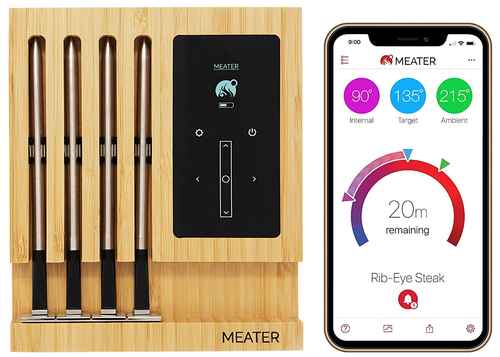
A meat thermometer can be used as a guideline; lamb ribs are safe to eat at an internal temperature of 145°F (63°C), but for slow-cooked ribs, reaching around 190°F (88°C) often ensures the collagen has fully broken down, making the meat tender.
Ingredients Needed
Here’s a list of ingredients for a classic, flavorful slow-cooked lamb ribs recipe:
- Lamb ribs: 2-3 pounds, trimmed of excess fat
- Garlic: 4-5 cloves, minced
- Onion: 1 medium, finely chopped
- Carrots: 2, sliced (optional, for added sweetness)
- Rosemary: 2-3 sprigs, fresh
- Thyme: 2-3 sprigs, fresh
- Paprika: 1 teaspoon
- Cumin: 1 teaspoon (optional, for depth of flavor)
- Salt and black pepper: to taste
- Tomato paste or sauce: 1/4 cup
- Red wine or broth: 1 cup (for braising)
- Olive oil: 1-2 tablespoons, for searing
Optional additions include a splash of balsamic vinegar or honey for sweetness, or chili flakes for a subtle kick.
How To Make Lamb Ribs In Slow Cooker
- Prep the meat: Pat the ribs dry, season with salt, pepper, paprika, and cumin.
- Sear for flavor: Heat olive oil in a skillet over medium-high heat and sear the ribs for 2-3 minutes per side until browned. This step is optional but adds significant depth.
- Layer the slow cooker: Place onions, garlic, carrots, and herbs at the bottom of the slow cooker. Add the seared ribs on top.
- Add liquid: Mix tomato paste with red wine or broth and pour over the ribs. The liquid should partially cover the meat, but full submersion is not necessary.
- Cook low and slow: Set the slow cooker to low for 6-8 hours or high for 3-4 hours. Avoid removing the lid frequently, as heat escapes and slows cooking.
- Finish (optional): For a caramelized finish, transfer ribs to an oven-safe pan and broil for 5-10 minutes after slow cooking.
When Things Go Wrong
Even slow cooking can run into hiccups:
- Tough ribs: Usually due to undercooking. Increase the cooking time by an hour or two on low.
- Dry edges: Often from insufficient liquid or high heat. Next time, ensure ribs are partially submerged and consider searing quickly before adding liquid.
- Bland flavor: Enhance taste with more herbs, spices, or a splash of acid (lemon juice, vinegar) toward the end.
Expert Tips
- Sear first: Browning meat enhances flavor via the Maillard reaction.
- Use fresh herbs: They impart more aromatic complexity than dried versions.
- Check halfway: While minimal lid removal is best, a quick stir can ensure even cooking.
- Adjust seasoning at the end: Slow cooking can mellow spices, so taste and correct before serving.
- Fat trimming: Leave some fat-it renders during slow cooking, adding richness.
Can I Do This Without A Slow Cooker?
Yes. Lamb ribs can be cooked in an oven using a covered roasting pan or Dutch oven. Cook at 275-300°F (135-150°C) for 2.5-3.5 hours, basting occasionally with braising liquid. The principle remains the same: low, slow cooking to break down connective tissue and achieve tender meat.
Reheating Leftovers In Slow Cooker
Reheating lamb ribs in a slow cooker preserves moisture better than microwaving. Place leftovers in the slow cooker with a splash of broth or sauce and heat on low for 2-3 hours or until warmed through. Avoid high heat, as it can dry the meat.
FAQs
What Cut Of Lamb Is Best For Slow Cooker Ribs?
The best cut for slow cooker lamb ribs is typically the rib section with meat attached, often labeled as ’lamb riblets’ or ’lamb ribs’. Look for ribs with some marbling for tenderness and flavor, as the slow cooking process will break down the connective tissue.
Do I Need To Sear The Lamb Ribs Before Slow Cooking?
Searing lamb ribs before placing them in the slow cooker is optional but recommended. Browning the ribs in a hot skillet adds extra depth of flavor and color to the meat through the Maillard reaction.
How Long Should Lamb Ribs Cook In A Slow Cooker?
Lamb ribs generally take 4-6 hours on high or 6-8 hours on low in a slow cooker. The exact time depends on the thickness of the ribs and the specific slow cooker model. The meat should be tender and pull away easily from the bone.
What Liquid Should I Use In The Slow Cooker For Lamb Ribs?
You can use a combination of broth, wine, or a flavorful marinade. Lamb pairs well with red wine, garlic, herbs like rosemary and thyme, or a tomato-based sauce. Typically, ½ to 1 cup of liquid is sufficient to keep the meat moist.
Should I Cover The Slow Cooker When Cooking Lamb Ribs?
Yes, always cover the slow cooker with its lid. This traps steam and moisture, ensuring the ribs cook evenly and remain juicy.
Can I Add Vegetables To The Slow Cooker With Lamb Ribs?
Yes, adding vegetables such as carrots, onions, potatoes, or parsnips enhances flavor and creates a complete meal. Place root vegetables at the bottom, as they take longer to cook, and ribs on top.
How Do I Season Lamb Ribs For Slow Cooking?
Season lamb ribs with a combination of salt, pepper, garlic, rosemary, thyme, and paprika. You can also marinate them overnight for more intense flavor. The slow cooking process allows the spices to infuse deeply into the meat.
Is It Better To Cook Lamb Ribs On High Or Low In A Slow Cooker?
Cooking on low is preferable for lamb ribs because it gently breaks down connective tissues, resulting in more tender meat. High heat is faster but may yield slightly less tender ribs if not monitored closely.
Can I Make A Sauce Or Glaze While Slow Cooking Lamb Ribs?
Yes, you can add a sauce or glaze during the last 30-60 minutes of cooking. Barbecue sauces, honey-mustard glazes, or balsamic reductions work well. Avoid adding sugary sauces too early, as they can burn or become too thick.
How Do I Store And Reheat Leftover Slow-cooked Lamb Ribs?
Allow leftover ribs to cool, then store in an airtight container in the refrigerator for up to 3-4 days. Reheat gently in a low oven or microwave, adding a small amount of liquid to maintain moisture.