
How To Make Roast Beef In Slow Cooker [GUIDE]
Slow-cooked roast beef is the epitome of comfort food-a dish that exudes warmth, flavor, and a tantalizing aroma that fills the kitchen with the promise of a hearty meal. Unlike traditional oven-roasting methods that demand constant attention and precision, the slow cooker offers a hands-off approach that allows the meat to transform over hours into a tender, juicy masterpiece. The beauty of slow-cooked roast beef lies not just in its rich, savory taste, but in the way it effortlessly absorbs herbs, spices, and the subtle essence of its cooking liquid. Each bite is a delicate interplay between robust, meaty flavors and the gentle, melting tenderness that only low-and-slow cooking can achieve.
Slow cooking is perfect for busy households, special family dinners, or any occasion when you want to enjoy the luxury of a perfectly cooked roast without the stress of oven timing or constant basting. Beyond the convenience, it’s also a versatile base: the drippings can be transformed into velvety gravy, the leftovers can be reinvented into sandwiches or stews, and the experience itself is a lesson in patience rewarded by pure culinary satisfaction.
Contents
- 1 How Long To Make Roast Beef In Slow Cooker
- 2 How To Tell If It Is Done
- 3 Ingredients Needed
- 4 How To Make Roast Beef In Slow Cooker
- 5 When Things Go Wrong
- 6 Expert Tips
- 7 Can I Do This Without A Slow Cooker?
- 8 Reheating Leftovers In Slow Cooker
- 9 FAQs
- 9.1 What Is The Best Cut Of Beef To Use For Roasting In A Slow Cooker?
- 9.2 How Long Does It Take To Cook Roast Beef In A Slow Cooker?
- 9.3 Should I Sear The Roast Before Putting It In The Slow Cooker?
- 9.4 Do I Need To Add Liquid When Cooking Roast Beef In A Slow Cooker?
- 9.5 How Can I Make Sure My Roast Beef Comes Out Tender In The Slow Cooker?
- 9.6 Can I Add Vegetables To The Slow Cooker With The Roast Beef?
- 9.7 What Temperature Should The Slow Cooker Be Set To For Roast Beef?
- 9.8 How Can I Tell When The Roast Beef Is Done In The Slow Cooker?
- 9.9 Can I Cook A Frozen Roast In The Slow Cooker?
- 9.10 How Can I Make A Gravy With The Juices From The Slow Cooker?
How Long To Make Roast Beef In Slow Cooker
Cooking times for roast beef in a slow cooker depend largely on the size and cut of the meat, as well as whether you prefer it medium-rare, medium, or well-done. For a typical 3-5 pound roast:
- Low setting: 8-10 hours. This is ideal for the most tender, fork-pulled texture, especially for tougher cuts like chuck or bottom round.
- High setting: 4-6 hours. This works for medium-sized roasts or when time is limited, but be cautious-cooking on high can slightly reduce tenderness compared to low-and-slow.
Keep in mind that different slow cooker brands vary in temperature calibration, so it’s always wise to monitor the meat’s internal temperature (covered in the next section). Cuts with more connective tissue, such as chuck roast, benefit immensely from longer cooking, as the collagen breaks down into gelatin, producing a succulent, melt-in-your-mouth result.
How To Tell If It Is Done
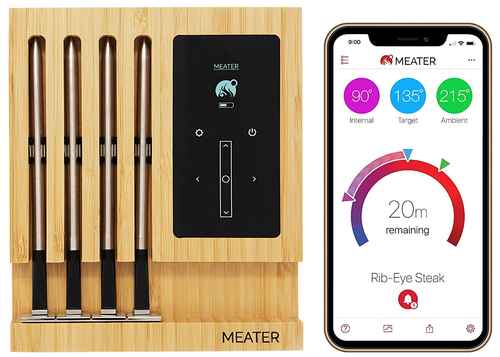
The most reliable way to determine doneness is using a meat thermometer. Slow cookers cook differently than ovens, often producing a range of temperatures within the meat. Internal temperature guidelines for roast beef:
- Medium-rare: 135°F (57°C)
- Medium: 145°F (63°C)
- Medium-well: 150-155°F (65-68°C)
- Well done: 160°F (71°C) and above
Beyond thermometers, visual and tactile cues help: the meat should pull apart easily with a fork but not be so soft that it turns mushy. Juices should run clear, not pink (except for medium-rare, where a light pink center is expected). If your roast looks unevenly cooked, gently rotate it or allow extra cooking time; slow cookers sometimes develop hot and cool spots.
Ingredients Needed
To create a flavorful and perfectly seasoned slow-cooked roast beef, gather the following:
- Beef roast: 3-5 pounds (chuck roast, rump roast, or bottom round are ideal)
- Vegetables: Carrots, onions, celery, and optionally potatoes for a complete meal
- Garlic: 3-4 cloves, minced or crushed
- Herbs: Fresh or dried rosemary, thyme, and bay leaves
- Seasonings: Salt, black pepper, paprika, optional onion or garlic powder
- Liquid: Beef broth or stock (2-3 cups), optionally with a splash of red wine or Worcestershire sauce
- Olive oil or butter: For searing (optional but recommended for enhanced flavor)
Optional extras for flavor depth include mushrooms, parsnips, or a small amount of tomato paste. Each ingredient contributes to the savory, layered complexity of the final dish.
How To Make Roast Beef In Slow Cooker
- Prep the meat: Trim excess fat but leave a thin layer for flavor and moisture. Pat dry to ensure even browning.
- Season generously: Rub the roast with salt, pepper, and your preferred spices. Don’t shy away from bold flavors-they intensify during slow cooking.
- Optional sear: Heat olive oil in a skillet over medium-high heat and sear all sides for 2-3 minutes. This step locks in juices and adds a rich, caramelized crust.
- Layer the slow cooker: Place chopped vegetables at the bottom, forming a ’bed’ for the roast. This keeps the meat slightly elevated and ensures even cooking.
- Add the roast: Position it on top of the vegetables, then pour the liquid around-not directly over-the meat to maintain seasoning.
- Add aromatics: Insert garlic, herbs, and any optional flavor enhancers.
- Cook: Cover and cook on low for 8-10 hours or high for 4-6 hours. Resist the urge to lift the lid frequently; each peek slows cooking and reduces moisture retention.
- Rest before slicing: Remove the roast, tent loosely with foil, and allow it to rest 15-20 minutes. This redistributes juices, ensuring every slice is tender and flavorful.
When Things Go Wrong
Even slow cooking isn’t foolproof. Common issues include:
- Dry meat: Often caused by overcooking or insufficient fat. Solution: choose fattier cuts, cook on low, or add more liquid.
- Undercooked center: Usually from a large roast cooked too quickly. Solution: continue cooking on low until the thermometer reads the target temperature.
- Mushy vegetables: Happens if potatoes or carrots are layered under the roast for too long. Solution: add these in the last 1-2 hours of cooking or chop them larger.
- Lack of flavor: Can result from minimal seasoning. Solution: sear the meat, use aromatics, and deglaze the pan for extra richness.
Expert Tips
- Sear for flavor: Though optional, browning the roast before slow cooking adds a depth that’s hard to achieve otherwise.
- Don’t overfill: Leave at least an inch of space under the lid for heat circulation.
- Layer strategically: Denser vegetables (carrots, potatoes) go under the meat; delicate ones (mushrooms, peas) go in the last hour.
- Check liquid levels: Slow cookers retain moisture, but very long cooks may need an occasional splash of broth.
- Use leftover juices: Strain and reduce them into a luscious gravy.
Can I Do This Without A Slow Cooker?
Absolutely. A slow-cooked roast beef can be replicated in the oven at low temperatures:
- Oven method: Preheat to 275°F (135°C). Place the roast in a heavy roasting pan with vegetables and liquid. Cover tightly with foil and cook 3-4 hours, checking the internal temperature for doneness.
- Dutch oven method: Heat in a stovetop-to-oven pot with a lid. Sear meat first, then add liquids and vegetables, and cook in the oven at 300°F (150°C) for 3-5 hours.
The results will be similar, though the convenience of ’set it and forget it’ is lost.
Reheating Leftovers In Slow Cooker
Slow cookers are ideal for gently reheating roast beef without drying it out.
- Slice or leave the roast whole.
- Add a splash of beef broth or pan juices.
- Cover and heat on low for 1-2 hours or until warmed through.
- Avoid high heat, which can overcook or toughen previously cooked meat.
Leftovers can also be shredded for sandwiches, added to stews, or chopped into stir-fries for maximum versatility.
FAQs
What Is The Best Cut Of Beef To Use For Roasting In A Slow Cooker?
The best cuts of beef for slow-cooking roast beef are those that are tougher and require longer cooking times to break down and become tender. These include cuts like chuck roast, brisket, and round roast. Chuck roast is particularly popular due to its marbling and flavor.
How Long Does It Take To Cook Roast Beef In A Slow Cooker?
Cooking time for roast beef in a slow cooker typically ranges from 4 to 8 hours on the low setting, depending on the size of the roast. For a tender, well-done roast, it’s best to cook it on low for 6 to 8 hours. On the high setting, it may take 3 to 4 hours.
Should I Sear The Roast Before Putting It In The Slow Cooker?
While searing the roast before placing it in the slow cooker is optional, it is recommended. Searing helps to develop deeper flavors and creates a caramelized crust on the meat. This step enhances the overall taste and texture of the roast beef.
Do I Need To Add Liquid When Cooking Roast Beef In A Slow Cooker?
Yes, you should add some liquid to the slow cooker, such as beef broth, water, or wine. This helps to keep the roast moist and tender during the cooking process. The liquid will also create a flavorful base for a gravy or sauce.
How Can I Make Sure My Roast Beef Comes Out Tender In The Slow Cooker?
To ensure your roast beef is tender, cook it on the low setting for several hours. Avoid cooking it on high, as this can make the meat tough. Additionally, letting the roast cook undisturbed and using a cut of meat with sufficient fat content will help it stay juicy and tender.
Can I Add Vegetables To The Slow Cooker With The Roast Beef?
Yes, you can add vegetables like potatoes, carrots, onions, and celery to the slow cooker with the roast beef. These vegetables will cook in the juices from the meat and absorb its flavors. However, if you add root vegetables, consider placing them at the bottom of the slow cooker, as they take longer to cook.
What Temperature Should The Slow Cooker Be Set To For Roast Beef?
For roast beef, it’s best to set your slow cooker to the low setting for slow, even cooking. The low setting usually maintains a temperature of around 190°F to 200°F (88°C to 93°C), which is perfect for breaking down the tough fibers of the meat over a long period.
How Can I Tell When The Roast Beef Is Done In The Slow Cooker?
To check if your roast beef is done, insert a meat thermometer into the thickest part of the roast. The USDA recommends a minimum internal temperature of 145°F (63°C) for medium-rare roast beef. For well-done roast beef, aim for 160°F (71°C) or higher. If you don’t have a thermometer, you can also test for tenderness by gently pulling apart the meat with a fork.
Can I Cook A Frozen Roast In The Slow Cooker?
It is not recommended to cook a frozen roast directly in the slow cooker, as it may not reach a safe temperature quickly enough. The USDA advises thawing meat before cooking it in a slow cooker to avoid potential food safety risks. Always defrost your roast in the refrigerator before cooking.
How Can I Make A Gravy With The Juices From The Slow Cooker?
To make gravy from the juices left in the slow cooker, first strain the liquid to remove any solids. Then, pour it into a saucepan and bring it to a simmer. In a separate bowl, mix a tablespoon of cornstarch or flour with a little cold water to make a slurry. Slowly whisk the slurry into the simmering liquid until it thickens to your desired consistency.