
How To Make Slow Cooker Stuffing [GUIDE]
Stuffing, also called dressing in some regions, is a quintessential dish during holiday feasts, celebrated for its comforting, savory flavors and irresistible aroma. Traditionally baked in the oven alongside a turkey or in a separate casserole dish, stuffing can also be prepared conveniently in a slow cooker. Using a slow cooker offers several advantages: it frees up oven space, allows flavors to meld over time, and ensures a consistently moist texture without the risk of drying out. Slow cooker stuffing can be customized with a variety of ingredients-from classic celery and onion to additions like sausage, apples, cranberries, or nuts-making it a versatile side dish for any occasion. By understanding the process and timing, even novice cooks can achieve a stuffing that rivals the best homemade versions.
Contents
- 1 How Long To Make Slow Cooker Stuffing
- 2 How To Tell If It Is Done
- 3 Ingredients Needed
- 4 How To Make Slow Cooker Stuffing
- 5 When Things Go Wrong
- 6 Expert Tips
- 7 Can I Do This Without A Slow Cooker?
- 8 Reheating Leftovers In Slow Cooker
- 9 FAQs
- 9.1 What Ingredients Are Needed To Make Slow Cooker Stuffing?
- 9.2 Do I Need To Pre-cook The Vegetables Before Adding Them To The Slow Cooker?
- 9.3 Should I Use Fresh Or Dried Bread For Slow Cooker Stuffing?
- 9.4 How Much Liquid Should I Add To Slow Cooker Stuffing?
- 9.5 What Slow Cooker Settings Are Best For Stuffing?
- 9.6 Can I Make Slow Cooker Stuffing Ahead Of Time?
- 9.7 Should The Slow Cooker Be Covered Or Uncovered?
- 9.8 Can I Make Vegetarian Slow Cooker Stuffing?
- 9.9 How Do I Prevent Slow Cooker Stuffing From Becoming Too Soggy?
- 9.10 Can Slow Cooker Stuffing Be Frozen And Reheated?
How Long To Make Slow Cooker Stuffing
The cooking time for slow cooker stuffing varies depending on the specific recipe, the size and type of your slow cooker, and whether you are using fresh or day-old bread. On average, slow cooker stuffing requires:
- Low heat: 3 to 4 hours
- High heat: 1.5 to 2 hours
Cooking on low is preferred for maximum flavor infusion, as it allows the herbs, butter, broth, and vegetables to meld thoroughly into the bread, creating a moist, cohesive texture. Cooking on high is faster but requires closer monitoring to prevent drying or overcooking. It’s also important to stir the stuffing midway through cooking when possible, as this ensures even heat distribution and a consistent texture throughout.
How To Tell If It Is Done
Determining when slow cooker stuffing is ready requires more than just following the clock. Signs of perfectly cooked stuffing include:
- Moisture balance: The stuffing should be moist but not soggy. There should be no pools of liquid, but the bread should have absorbed the broth evenly.
- Texture: The interior should be soft and tender, while the top may develop a slight crust or golden edges if left uncovered for part of the cooking time.
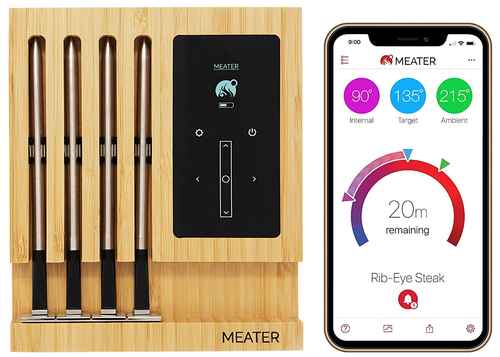
- Temperature: If using meat-based ingredients like sausage or poultry broth, the internal temperature should reach at least 165°F (74°C) for safety.
- Aromatic cues: The smell of the cooked herbs, butter, and broth permeating the kitchen is a reliable indicator that the stuffing is fully cooked and ready to serve.
Ingredients Needed
A classic slow cooker stuffing relies on a handful of key ingredients, though variations abound:
- Bread: 8-10 cups of cubed, preferably day-old bread (white, whole wheat, sourdough, or a combination)
- Butter: 4-6 tablespoons, for sautéing vegetables and adding richness
- Vegetables: 1 cup finely chopped onion, 1 cup chopped celery, optional carrots
- Herbs and seasonings: 1-2 teaspoons each of sage, thyme, rosemary, and parsley; salt and black pepper to taste
- Broth: 2-3 cups chicken, turkey, or vegetable broth, depending on desired moisture
- Optional additions: Sausage, mushrooms, apples, cranberries, nuts, or cooked bacon
The quality of each ingredient significantly affects the final dish. Using fresh herbs and day-old bread can make a noticeable difference in flavor and texture.
How To Make Slow Cooker Stuffing
- Prep the bread: Cut bread into uniform cubes and allow it to dry slightly if not already stale. This ensures even absorption of flavors.
- Sauté vegetables: In a skillet, melt butter over medium heat and sauté onion, celery, and any additional vegetables until soft and fragrant.
- Combine ingredients: In a large mixing bowl, combine bread cubes, sautéed vegetables, herbs, and optional additions. Gradually pour in broth, mixing until bread is evenly moistened.
- Transfer to slow cooker: Lightly grease the slow cooker with butter or nonstick spray. Transfer the stuffing mixture and spread evenly.
- Cook: Cover and cook on low for 3-4 hours or high for 1.5-2 hours. Stir occasionally if possible.
- Optional finishing: For a slightly crisp top, remove the lid during the last 20-30 minutes of cooking.
When Things Go Wrong
Even experienced cooks encounter mishaps with slow cooker stuffing. Common problems and solutions include:
- Too dry: Add additional broth in small increments and gently stir to redistribute moisture.
- Too wet/soggy: Reduce liquid slightly in future batches, and consider leaving the lid slightly ajar for the last 30 minutes of cooking to allow excess moisture to escape.
- Under-seasoned: Taste mid-cooking and adjust salt, pepper, or herbs as needed. Remember, slow cooking can mellow flavors, so seasoning may require a slight boost.
- Uneven cooking: Stirring halfway through or ensuring the bread is uniformly cubed can prevent dense, undercooked pockets.
Expert Tips
- Day-old bread is best: Fresher bread can become mushy; stale bread absorbs flavors more effectively.
- Layer flavors: Sautéing vegetables and lightly toasting bread cubes before combining elevates the depth of taste.
- Use a mix of herbs: A combination of sage, thyme, rosemary, and parsley creates a more aromatic stuffing than using a single herb.
- Avoid overfilling: Slow cookers need some space for steam circulation; filling too high may lead to uneven cooking.
- Add nuts or fruits near the end: This preserves texture and prevents burning.
Can I Do This Without A Slow Cooker?
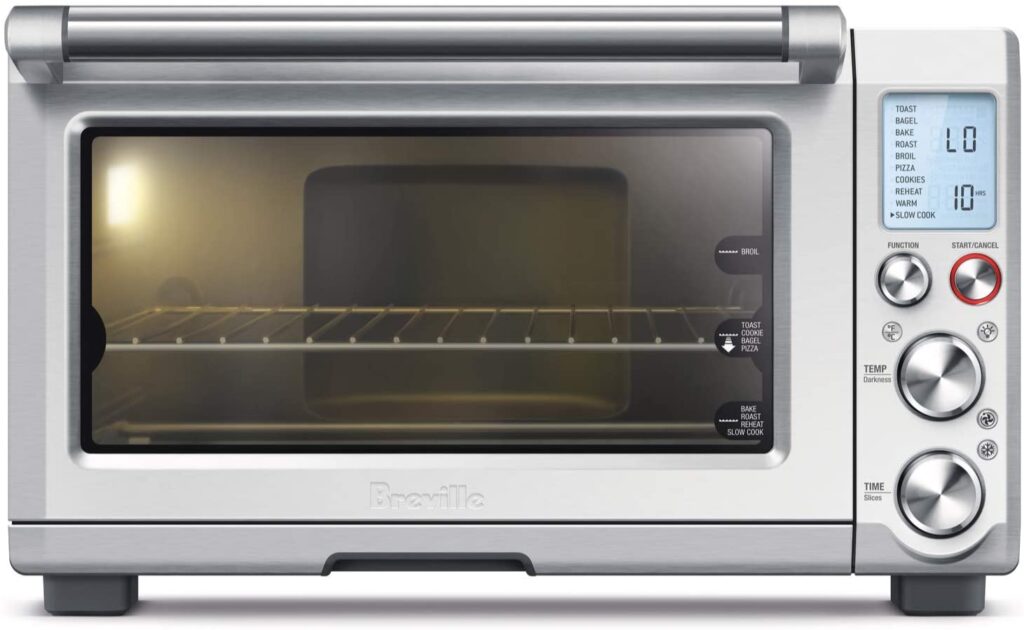
Yes, slow cooker stuffing can be adapted for oven baking. Spread the prepared stuffing in a greased baking dish, cover with foil, and bake at 350°F (175°C) for 25-35 minutes, stirring once midway. For a crispy top, remove the foil for the last 10-15 minutes of baking. The flavors will still meld nicely, though the slow cooker method offers the advantage of hands-off cooking and a more consistent moisture profile.
Reheating Leftovers In Slow Cooker
Reheating stuffing in a slow cooker preserves its moistness and flavor. To do so:
- Transfer leftovers to the slow cooker.
- Add a splash of broth if the stuffing has dried slightly.
- Cover and heat on low for 1-2 hours, stirring occasionally.
This method prevents the dryness that often occurs in microwave reheating and keeps the stuffing warm for serving over extended periods during a holiday meal.
FAQs
What Ingredients Are Needed To Make Slow Cooker Stuffing?
Basic ingredients for slow cooker stuffing include bread cubes (stale or toasted), onions, celery, butter, chicken or vegetable broth, and seasonings such as sage, thyme, salt, and pepper. Optional additions include cooked sausage, apples, cranberries, or nuts for added flavor and texture.
Do I Need To Pre-cook The Vegetables Before Adding Them To The Slow Cooker?
While you can cook vegetables directly in the slow cooker, sautéing onions, celery, and any other vegetables in butter or oil beforehand enhances their flavor and gives the stuffing a richer taste.
Should I Use Fresh Or Dried Bread For Slow Cooker Stuffing?
Both can be used, but slightly stale bread works best as it absorbs liquid without becoming mushy. Cubes of fresh bread can be toasted in the oven for 10-15 minutes to achieve the right texture.
How Much Liquid Should I Add To Slow Cooker Stuffing?
Typically, add enough broth to moisten the bread without making it soggy. A good guideline is about 1 to 1.5 cups of broth per 6 cups of bread cubes, adjusting as needed based on desired consistency.
What Slow Cooker Settings Are Best For Stuffing?
Cook on low for 3-4 hours or on high for 1.5-2 hours. Cooking on low allows the flavors to meld and the stuffing to remain moist without overcooking.
Can I Make Slow Cooker Stuffing Ahead Of Time?
Yes, you can prepare the ingredients the day before, store them in the refrigerator, and then assemble and cook in the slow cooker on the day of serving. Avoid adding broth until just before cooking to prevent soggy bread.
Should The Slow Cooker Be Covered Or Uncovered?
Covering the slow cooker is recommended to trap steam and ensure the stuffing cooks evenly and stays moist. Remove the lid for the last 15-20 minutes if you want a slightly crisp top.
Can I Make Vegetarian Slow Cooker Stuffing?
Yes, use vegetable broth instead of chicken broth and skip meat-based ingredients like sausage. You can add mushrooms, nuts, cranberries, or other vegetables to enhance flavor and texture.
How Do I Prevent Slow Cooker Stuffing From Becoming Too Soggy?
Avoid adding too much liquid and use slightly stale bread. Stirring the stuffing once or twice during cooking can help distribute moisture evenly. If it seems wet at the end, cook uncovered for 15-20 minutes to let excess moisture evaporate.
Can Slow Cooker Stuffing Be Frozen And Reheated?
Yes, cooked stuffing can be cooled, portioned into freezer-safe containers, and frozen for up to 3 months. Reheat in the microwave or oven until heated through, adding a splash of broth if needed to maintain moisture.