
How To Make Tomato Paste In Slow Cooker [GUIDE]
Tomato paste is the concentrated essence of tomatoes-a rich, velvety, deeply flavored base that forms the backbone of countless recipes, from pasta sauces and soups to stews and marinades. While store-bought versions are convenient, they often contain preservatives, added sugars, or salt, and they lack the depth and freshness of homemade tomato paste. Making tomato paste in a slow cooker is a method that combines convenience with flavor: it allows tomatoes to slowly reduce over hours, intensifying their natural sweetness and umami while requiring minimal hands-on attention. This technique is ideal for those who want to craft a pantry staple that bursts with garden-fresh flavor while embracing a low-effort, slow-cooked approach.
Contents
- 1 How Long To Make Tomato Paste In Slow Cooker
- 2 How To Tell If It Is Done
- 3 Ingredients Needed
- 4 How To Make Tomato Paste In Slow Cooker
- 5 When Things Go Wrong
- 6 Expert Tips
- 7 Can I Do This Without A Slow Cooker?
- 8 Reheating Leftovers In Slow Cooker
- 9 FAQs
- 9.1 What Type Of Tomatoes Are Best For Making Tomato Paste In A Slow Cooker?
- 9.2 Do I Need To Peel And Seed The Tomatoes Before Using Them In A Slow Cooker?
- 9.3 How Long Does It Take To Make Tomato Paste In A Slow Cooker?
- 9.4 Do I Need To Add Water Or Other Liquids When Making Tomato Paste In A Slow Cooker?
- 9.5 How Do I Prevent The Tomato Paste From Burning In The Slow Cooker?
- 9.6 Can I Add Seasonings While Making Tomato Paste In A Slow Cooker?
- 9.7 How Do I Know When The Tomato Paste Is Ready?
- 9.8 How Should I Store Slow Cooker Tomato Paste?
- 9.9 Can I Use Canned Tomatoes Instead Of Fresh Tomatoes In A Slow Cooker?
- 9.10 Is It Necessary To Blend The Tomatoes Before Or After Slow Cooking?
How Long To Make Tomato Paste In Slow Cooker
The process of turning fresh tomatoes into thick, luscious paste in a slow cooker is slow but rewarding. Depending on the quantity of tomatoes and their water content, the slow-cooking process typically ranges from 8 to 12 hours on low heat. The key is patience: the tomatoes must release their moisture gradually, allowing the natural sugars to concentrate and flavors to develop. Using high heat is possible, but it risks scorching or uneven cooking. Most recipes recommend starting with a full day of slow simmering on low, occasionally stirring to prevent sticking, until the mixture reaches a deep, rich consistency. For particularly watery tomatoes, additional time may be needed to reach the ideal thick paste texture.
How To Tell If It Is Done
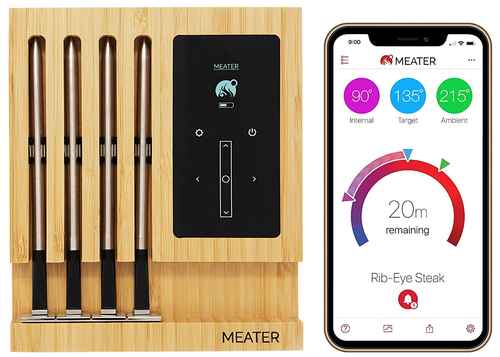
Determining whether tomato paste is done requires both visual and tactile cues:
- Consistency: Finished tomato paste should be thick, almost spoonable like soft modeling clay. When you drag a spoon through it, the paste should hold its shape without immediately running back together.
- Color: The color should have deepened to a rich, dark red, signaling the reduction of water and concentration of natural sugars. Pale or bright red paste typically indicates insufficient cooking.
- Aroma: The smell will transition from raw, acidic tomato notes to a mellow, slightly sweet, and intensely savory aroma, reminiscent of slow-roasted tomatoes.
- Taste Test: A small taste should reveal concentrated tomato flavor without excessive acidity or watery taste.
If the paste is still loose or watery, it needs more time in the slow cooker.
Ingredients Needed
Making slow-cooked tomato paste requires only a few simple ingredients, but their quality greatly influences the final product:
- Fresh, ripe tomatoes – preferably Roma, plum, or other meaty varieties, around 5-10 pounds for a decent batch
- Olive oil – 1-2 tablespoons to enhance richness and prevent sticking
- Salt – 1-2 teaspoons, optional, to taste
- Optional flavor enhancers: garlic cloves, herbs like basil or thyme, and a pinch of sugar if the tomatoes are overly acidic
The focus is on simplicity; the slow cooker does the heavy lifting, allowing the natural flavor of the tomatoes to shine.
How To Make Tomato Paste In Slow Cooker
- Prep the Tomatoes: Wash and core the tomatoes, removing stems. Cut them into halves or quarters to help them break down faster. Optional: remove seeds if a smoother paste is desired.
- Combine Ingredients: Place the tomatoes in the slow cooker, drizzle with olive oil, and sprinkle with salt. Add any optional herbs or garlic.
- Slow Cook: Set the slow cooker on low heat and cook for 8-12 hours, stirring occasionally. The mixture should bubble gently and slowly thicken.
- Blend: Once fully reduced, use an immersion blender or food processor to purée until smooth.
- Reduce Further if Needed: Return the purée to the slow cooker and continue to cook until the paste reaches the desired thick, spoonable consistency.
- Cool and Store: Allow the paste to cool completely before transferring to airtight containers or freezing in small portions.
When Things Go Wrong
Even slow cooking has pitfalls:
- Watery Paste: Often due to tomatoes with high water content or insufficient reduction time. Solution: continue slow cooking, uncovered, or strain excess liquid.
- Burning or Sticking: Can occur if cooked too hot or not stirred occasionally. Solution: ensure low heat and stir every few hours; add a splash of water if necessary.
- Too Acidic: Sometimes tomatoes are overly tangy. Solution: balance with a pinch of sugar or a small drizzle of olive oil to round out flavors.
- Lack of Depth: May occur if flavors haven’t concentrated. Solution: extend cooking time and ensure evaporation is gradual, allowing natural sugars to caramelize slightly.
Expert Tips
- Choose meaty tomatoes for less water content and deeper flavor.
- Cook uncovered to allow maximum evaporation and thicker paste.
- Use a wide slow cooker instead of a tall one, which promotes faster reduction.
- Freeze in ice cube trays for convenient single-use portions.
- Stir occasionally to prevent scorching at the edges, especially after the mixture thickens.
- Layer flavors: A few roasted garlic cloves or a sprig of thyme added mid-cook can enhance complexity without overpowering.
Can I Do This Without A Slow Cooker?
Absolutely. Tomato paste can be made on the stovetop or in the oven:
- Stovetop: Simmer chopped tomatoes in a large, heavy-bottomed pot over low heat, stirring frequently, for 6-10 hours. Evaporation occurs faster, so constant attention is needed.
- Oven: Spread puréed tomatoes on a rimmed baking sheet and roast at a low temperature (around 225°F / 110°C), stirring occasionally, until thick. This method can intensify sweetness through gentle caramelization.
The slow cooker remains ideal for minimal supervision and consistent low heat.
Reheating Leftovers In Slow Cooker
Reheating homemade tomato paste is simple and preserves flavor:
- Transfer paste to the slow cooker.
- Add a splash of water or olive oil to loosen it slightly.
- Heat on low for 30-60 minutes, stirring occasionally to prevent sticking.
Unlike microwaving, the slow cooker ensures even warming and avoids scorching.
FAQs
What Type Of Tomatoes Are Best For Making Tomato Paste In A Slow Cooker?
Roma or plum tomatoes are ideal because they have a lower water content and fewer seeds, resulting in a thicker paste. However, any ripe, flavorful tomato can be used if Roma tomatoes are unavailable.
Do I Need To Peel And Seed The Tomatoes Before Using Them In A Slow Cooker?
Peeling and seeding the tomatoes is optional. Peeling can produce a smoother paste, and removing seeds reduces bitterness. Many slow cooker recipes allow you to use whole chopped tomatoes, then blend and strain after cooking.
How Long Does It Take To Make Tomato Paste In A Slow Cooker?
Cooking time generally ranges from 8 to 12 hours on low heat, depending on the water content of the tomatoes and the desired thickness. Occasional stirring helps ensure even cooking.
Do I Need To Add Water Or Other Liquids When Making Tomato Paste In A Slow Cooker?
No additional water is usually required because tomatoes release enough liquid during cooking. Adding water can dilute the paste and increase cooking time.
How Do I Prevent The Tomato Paste From Burning In The Slow Cooker?
Stir the mixture occasionally, especially toward the end of cooking. Use the low heat setting rather than high, and ensure the paste isn’t too thick at the beginning, which can cause sticking.
Can I Add Seasonings While Making Tomato Paste In A Slow Cooker?
You can add salt and herbs like basil or oregano, but avoid adding acidic ingredients like vinegar until the paste is finished, as they can prevent thickening. Many people prefer to season after cooking for more control over flavor.
How Do I Know When The Tomato Paste Is Ready?
The paste is ready when it has a thick, dense consistency and most of the water has evaporated. It should be easily stirred but not runny. Cooling also thickens it slightly.
How Should I Store Slow Cooker Tomato Paste?
Store cooled tomato paste in airtight containers in the refrigerator for up to one week or freeze in portions for up to six months. You can also preserve it in sterilized jars with a thin layer of olive oil on top to extend shelf life.
Can I Use Canned Tomatoes Instead Of Fresh Tomatoes In A Slow Cooker?
Yes, canned whole or crushed tomatoes can be used, but they may contain added salt or preservatives. Reduce or adjust added salt accordingly, and cooking time may vary depending on the liquid content of the canned tomatoes.
Is It Necessary To Blend The Tomatoes Before Or After Slow Cooking?
Blending after cooking is recommended. Slow cooking softens the tomatoes, making it easier to achieve a smooth consistency. You can use an immersion blender directly in the slow cooker or transfer the mixture to a countertop blender.