
How To Reheat Blooming Onion In Oven [FULL GUIDE]
The blooming onion, a culinary marvel popularized by chain restaurants and adored by snack enthusiasts worldwide, is a delicacy that combines crispy, golden-brown edges with a tender, flavorful center. Its unique presentation-a flower-like onion, battered and deep-fried-makes it visually striking and irresistible. But as much as we love devouring it fresh from the fryer, leftovers are inevitable. The challenge arises when attempting to reheat a blooming onion: too much heat can dry out the onion, while too little can leave the batter soggy. Mastering the art of reheating ensures that every petal retains its crispiness and every bite remains flavorful. This guide delves into the best practices for reviving a leftover blooming onion in the oven, preserving its signature texture and taste.
Contents
- 1 Best Temperature To Reheat Blooming Onion In Oven
- 2 Best Cooking Time To Reheat Blooming Onion In Oven
- 3 How To Reheat Blooming Onion In Oven
- 4 When Not To Reheat Blooming Onion In The Oven
- 5 Reheating Blooming Onion More Than Once
- 6 What If I Use A Different Oven Temperature?
- 7 What If I Use A Different Oven Cook Time?
- 8 Best Ways To Reheat Blooming Onion
- 9 Tips For Optimal Reheating Results
- 10 FAQs
- 10.1 Can I Reheat A Blooming Onion In The Oven?
- 10.2 What Temperature Should I Set My Oven To When Reheating A Blooming Onion?
- 10.3 Should I Cover The Blooming Onion With Foil While Reheating?
- 10.4 How Long Does It Take To Reheat A Blooming Onion In The Oven?
- 10.5 Do I Need To Preheat The Oven Before Reheating?
- 10.6 Should I Add Oil Before Reheating The Blooming Onion?
- 10.7 Can I Reheat A Blooming Onion From Frozen?
- 10.8 How Do I Know When The Blooming Onion Is Fully Reheated?
- 10.9 Can I Reheat The Dipping Sauce In The Oven As Well?
- 10.10 What Is The Best Way To Store A Leftover Blooming Onion Before Reheating?
Best Temperature To Reheat Blooming Onion In Oven
The ideal oven temperature is a critical factor for achieving a perfectly reheated blooming onion. Setting the oven too high risks burning the delicate batter before the onion warms thoroughly. Conversely, a temperature that is too low may result in a limp, greasy texture. Experts recommend a moderate heat of 350°F (175°C). This temperature allows the onion to heat evenly while restoring its crispiness without overcooking the outer coating.

Using a preheated oven ensures that the heat is immediately effective, giving the batter a chance to re-crisp while gently warming the onion layers inside. For larger onions, some chefs recommend slightly increasing the temperature to 375°F (190°C) to compensate for the thicker layers, but care must be taken to avoid scorching.
Best Cooking Time To Reheat Blooming Onion In Oven
Cooking time is just as crucial as temperature. Reheating for too long can dry out the onion, while too short a period may leave the core cold. Generally, a baking duration of 10-15 minutes is sufficient for a standard-sized blooming onion. For extra-large onions, extending the reheating time to 15-20 minutes may be necessary, but it’s best to check periodically.
For an evenly heated onion, it’s helpful to position it on a wire rack over a baking sheet. This arrangement allows hot air to circulate around each petal, ensuring the entire onion is heated without soggy bottoms.
How To Reheat Blooming Onion In Oven
- Preheat the Oven: Begin by preheating your oven to 350°F (175°C). This ensures a consistent temperature throughout reheating.
- Prepare the Onion: Remove the blooming onion from any container and gently pat it with a paper towel to remove excess moisture, which can compromise crispiness.
- Use a Wire Rack: Place the onion upside down on a wire rack set over a baking sheet. The rack allows hot air to circulate, keeping the batter crispy on all sides.
- Reheat: Insert the baking sheet in the oven and bake for 10-15 minutes, checking midway. For a thicker onion, consider rotating it to ensure even reheating.
- Serve Immediately: Once the outer edges regain their golden crisp, remove the onion from the oven and serve with your preferred dipping sauce.
When Not To Reheat Blooming Onion In The Oven
Not all blooming onions are suitable for reheating. If the onion has been stored improperly or left out at room temperature for more than two hours, bacterial growth may make reheating unsafe. Additionally, if the onion has already become extremely soggy or the batter has disintegrated, oven reheating may not restore its texture. In such cases, it is better to consume it cold in salads or use the onion petals in other recipes, such as casseroles or soups, rather than attempting to revive it.
Reheating Blooming Onion More Than Once
Reheating a blooming onion multiple times is generally discouraged. Each reheating cycle dries out the onion and diminishes the crispiness of the batter. If you absolutely must reheat it more than once, do so at a lower temperature (300°F / 150°C) for a shorter period (5-8 minutes) to minimize texture degradation. However, repeated reheating will inevitably affect taste and quality.
What If I Use A Different Oven Temperature?
Adjusting the oven temperature can significantly impact the final result:
- Higher temperatures (375-400°F / 190-205°C): Heat penetrates faster and crisps the batter quickly, but risks burning the outer edges while leaving the center slightly cold.
- Lower temperatures (300-325°F / 150-160°C): This reduces the risk of burning but may make the batter soggy if reheated for too long, as it takes more time for the heat to reach the center.
Temperature adjustments require careful monitoring to balance internal warmth with surface crispiness.
What If I Use A Different Oven Cook Time?
Cooking time is tightly coupled with oven temperature. Shorter cook times may leave the onion underheated, while excessively long durations dry it out. The key is to monitor the onion visually: when the edges regain a golden brown hue and the onion feels heated through in the center, it’s ready. Slight variations are acceptable, but err on the side of slightly less time if unsure-you can always add a few extra minutes.
Best Ways To Reheat Blooming Onion
While the oven method is ideal for preserving texture, alternatives exist:
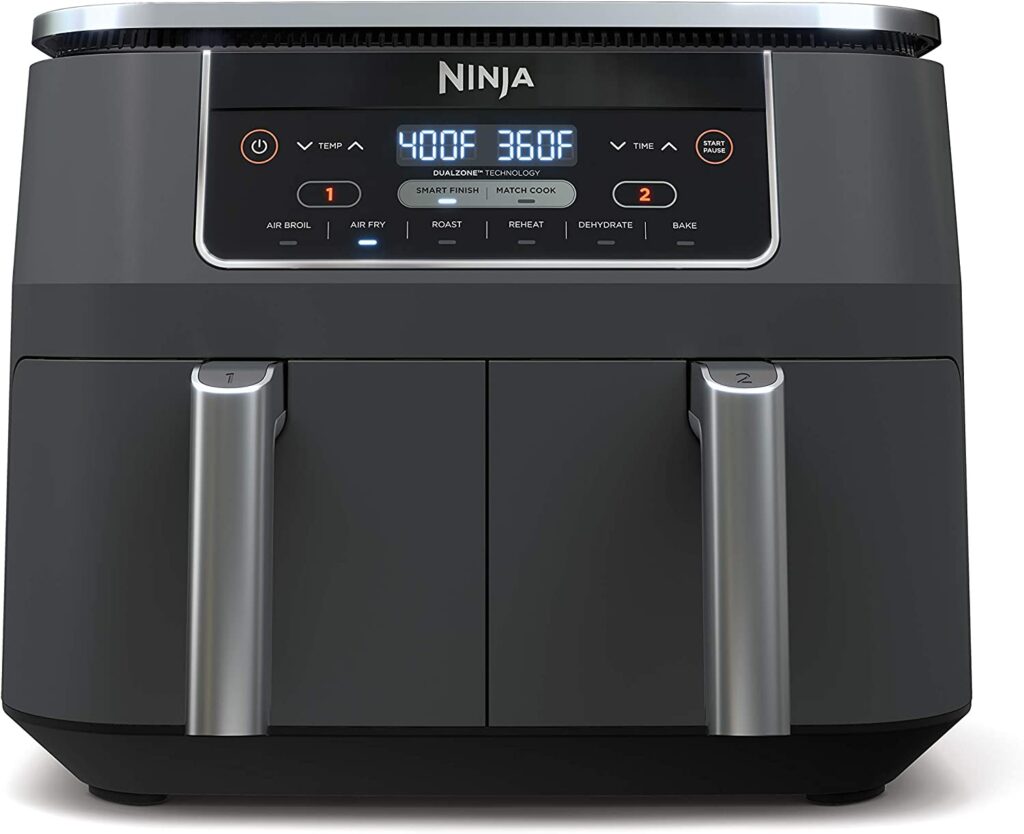
- Air Fryer: Ideal for smaller onions; 8-10 minutes at 350°F can crisp the batter quickly.
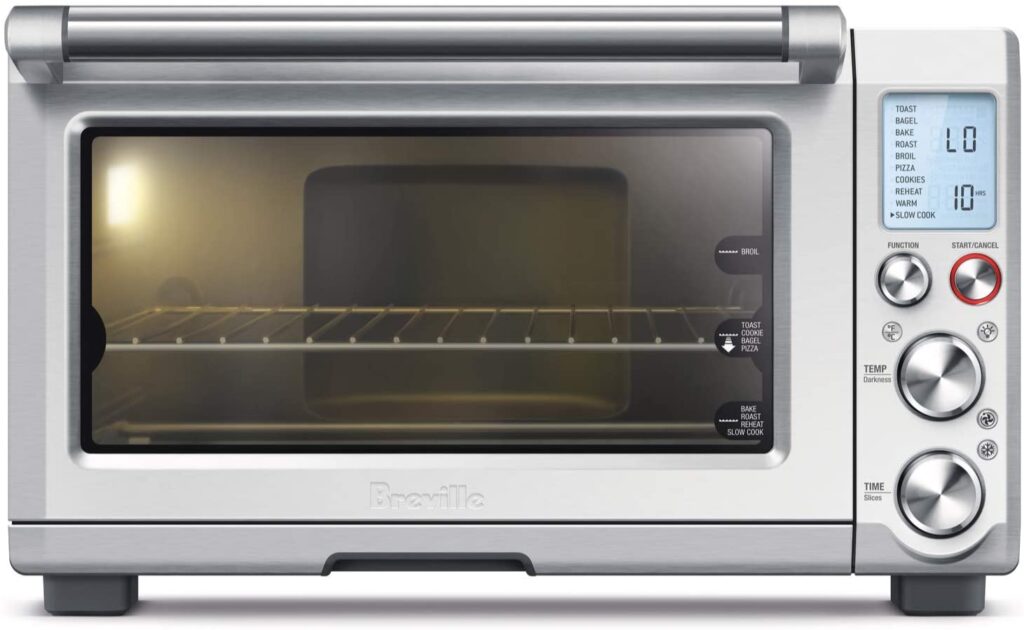
- Toaster Oven: Works similarly to a conventional oven, but may require shorter cook times due to compact space.
- Skillet: Reheat over medium-low heat with a small amount of oil to restore crispiness, turning gently to avoid breaking petals.
Avoid the microwave if the goal is crispiness; it tends to steam the batter, leaving the onion limp.
Tips For Optimal Reheating Results
- Use a wire rack: Promotes airflow and keeps the batter crispy.
- Avoid covering with foil: Traps steam and softens the crust.
- Check periodically: Prevents over-baking and burning.
- Store properly: Refrigerate in an airtight container for up to 2-3 days before reheating.
- Pat dry if needed: Removes excess moisture from storage.
FAQs
Can I Reheat A Blooming Onion In The Oven?
Yes, reheating a blooming onion in the oven is possible and recommended over a microwave if you want to retain its crispiness. The oven helps maintain the texture of the fried coating while warming the inside evenly.
What Temperature Should I Set My Oven To When Reheating A Blooming Onion?
Preheat your oven to 350°F (175°C). This temperature is ideal because it is hot enough to re-crisp the coating without burning the exterior or drying out the onion.
Should I Cover The Blooming Onion With Foil While Reheating?
No, it is better to leave the blooming onion uncovered. Covering it traps moisture, which can make the breading soggy. For extra crispiness, place it on a wire rack over a baking sheet so hot air circulates all around.
How Long Does It Take To Reheat A Blooming Onion In The Oven?
Typically, it takes 15-20 minutes to reheat a blooming onion in the oven. Check it halfway through to ensure it is warming evenly and the breading is not burning.
Do I Need To Preheat The Oven Before Reheating?
Yes, preheating the oven ensures even heat distribution, which prevents the onion from being overcooked in some areas and underheated in others. Always preheat to the recommended 350°F (175°C).
Should I Add Oil Before Reheating The Blooming Onion?
You can lightly brush or spray a small amount of oil on the breading to enhance crispiness, but it is not strictly necessary since the onion is already fried. Avoid using too much oil to prevent greasiness.
Can I Reheat A Blooming Onion From Frozen?
Yes, but it will require a longer reheating time. It is recommended to thaw it in the refrigerator for a few hours first, then reheat at 350°F (175°C) for approximately 20-25 minutes, checking for even warmth and crispiness.
How Do I Know When The Blooming Onion Is Fully Reheated?
The blooming onion is fully reheated when the interior feels hot to the touch and the coating is crisp again. You can insert a fork or knife into the thickest part of the onion to check if the heat has penetrated fully.
Can I Reheat The Dipping Sauce In The Oven As Well?
It is not recommended to reheat the dipping sauce in the oven. Most sauces are best warmed gently on the stovetop or in the microwave to avoid altering their texture or flavor.
What Is The Best Way To Store A Leftover Blooming Onion Before Reheating?
Store the leftover blooming onion in an airtight container in the refrigerator for up to 2-3 days. If you want to maintain maximum crispiness, avoid covering it tightly with plastic wrap directly on the breading, as this can trap moisture.