
How To Reheat Breakfast Casserole In Oven [FULL GUIDE]
Breakfast casserole is the ultimate comfort dish-layered with eggs, cheese, meats, vegetables, and sometimes bread or potatoes, it’s a hearty and satisfying meal perfect for mornings or brunch gatherings. Whether made ahead for a busy week or prepared for a special occasion, breakfast casserole often leaves leftovers, and reheating them properly is essential to preserve texture, flavor, and moisture. Reheating in the oven is widely considered the best method because it ensures even warming without turning the dish soggy, unlike microwaving, which can dry out or unevenly heat the casserole. Understanding the optimal temperature, timing, and technique will help you enjoy your casserole just as fresh-tasting as the day it was made.
Contents
- 1 Best Temperature To Reheat Breakfast Casserole In Oven
- 2 Best Cooking Time To Reheat Breakfast Casserole In Oven
- 3 How To Reheat Breakfast Casserole In Oven
- 4 When Not To Reheat Breakfast Casserole In The Oven
- 5 Reheating Breakfast Casserole More Than Once
- 6 What If I Use A Different Oven Temperature?
- 7 What If I Use A Different Oven Cook Time?
- 8 Best Ways To Reheat Breakfast Casserole
- 9 Tips For Optimal Reheating Results
- 10 FAQs
- 10.1 What Is The Best Temperature To Reheat A Breakfast Casserole In The Oven?
- 10.2 Should I Cover The Breakfast Casserole When Reheating?
- 10.3 How Long Does It Take To Reheat A Breakfast Casserole In The Oven?
- 10.4 Can I Reheat A Frozen Breakfast Casserole In The Oven?
- 10.5 Is It Necessary To Let The Casserole Come To Room Temperature Before Reheating?
- 10.6 How Can I Prevent The Casserole From Drying Out During Reheating?
- 10.7 Can I Reheat Individual Portions Instead Of The Whole Casserole?
- 10.8 Do I Need To Stir The Casserole While Reheating?
- 10.9 Can I Add Extra Toppings Before Reheating?
- 10.10 How Can I Tell When The Breakfast Casserole Is Fully Reheated?
Best Temperature To Reheat Breakfast Casserole In Oven
The ideal oven temperature for reheating breakfast casserole balances thorough warming with preservation of texture. Too high, and the edges can burn while the interior remains cold; too low, and it takes unnecessarily long, potentially drying out the casserole. Most culinary experts recommend reheating at 325°F (160°C) to 350°F (175°C). This moderate temperature allows the heat to penetrate evenly, melts the cheese without overbrowning, and keeps eggs tender rather than rubbery. For casseroles with denser ingredients-like hash browns or thick layers of sausage-a slightly higher temperature around 350°F can help ensure even heat distribution. Covering the casserole with foil can further prevent the top from browning too quickly, giving the interior a chance to heat fully.
Best Cooking Time To Reheat Breakfast Casserole In Oven
Reheating time depends on the size, thickness, and ingredients of your casserole. A small, single-layer casserole may only need 15-20 minutes, while a larger, fully loaded pan might require 30-45 minutes. The best practice is to check the internal temperature rather than relying strictly on the clock. The casserole should reach 165°F (74°C) at its core to ensure it is safely reheated and evenly warm throughout. Thick layers of egg, cheese, and meats require more time for the heat to penetrate evenly, so longer cooking times at moderate temperatures are often better than a shorter high-heat approach.
How To Reheat Breakfast Casserole In Oven
- Preheat the oven to 325°F-350°F (160°C-175°C).
- Transfer the casserole to an oven-safe dish if it’s not already in one. If the casserole was refrigerated in the same dish, it’s fine to reheat there.
- Cover with aluminum foil to retain moisture and prevent the top from over-browning.
- Bake until heated through, approximately 20-45 minutes depending on size and thickness. Check by inserting a thermometer into the center.
- Remove the foil in the last 5-10 minutes if you want a lightly browned top.
- Let it rest for a few minutes before serving-this allows heat to distribute evenly and makes cutting easier.
When Not To Reheat Breakfast Casserole In The Oven
While reheating in the oven is generally safe, there are instances when it’s not recommended:
- Previously frozen without proper thawing: Reheating frozen casserole directly in the oven can result in uneven cooking. It should first be thawed in the refrigerator overnight.
- Spoiled or left out too long: Casseroles left at room temperature for more than 2 hours (or 1 hour in hot environments) may harbor harmful bacteria and should be discarded.
- Extremely delicate or very liquid-heavy casseroles: Some custard-like or watery breakfast casseroles may separate or curdle in the oven; gentle stovetop reheating might be preferable in such cases.
Reheating Breakfast Casserole More Than Once
It is strongly advised not to reheat breakfast casserole multiple times. Repeated heating and cooling increases the risk of bacterial growth and can compromise texture, causing eggs to become rubbery and cheese to separate. If you anticipate multiple servings, consider reheating individual portions instead of the whole dish. Always ensure the internal temperature reaches 165°F (74°C) each time for safety.
What If I Use A Different Oven Temperature?
Using a higher temperature (375°F-400°F) may speed up reheating but risks drying out edges or burning cheese before the center is warm. Lower temperatures (275°F-300°F) are gentler but require significantly more time, which can be inconvenient and may cause the casserole to lose moisture gradually. Adjusting temperature requires vigilance-check the casserole frequently, cover with foil if needed, and confirm internal temperature with a thermometer.
What If I Use A Different Oven Cook Time?
Shorter cook times often result in uneven heating, leaving cold spots in the center. Extending the cook time at the recommended temperature is safer, ensuring every layer is warmed properly. Overcooking, however, can dry out eggs and make bread or hash browns tough. Always aim for 165°F internal temperature and balance cooking duration with coverage (foil) to preserve moisture.
Best Ways To Reheat Breakfast Casserole
- Individual portions: Place slices in a small, oven-safe dish and cover with foil.
- Entire casserole: Cover loosely with foil and reheat on a middle oven rack for even heating.
- Add moisture if needed: Lightly brush the top with milk or a little cream before reheating to prevent dryness.
Tips For Optimal Reheating Results
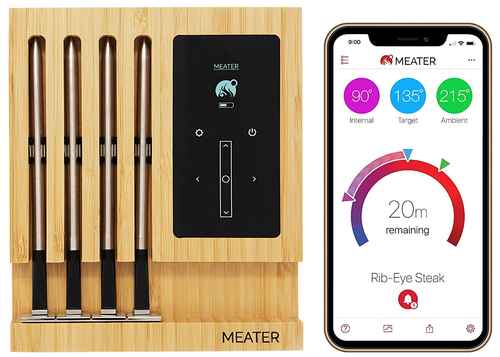
- Use a thermometer: Don’t rely solely on timing-ensure the center reaches 165°F (74°C).
- Cover with foil: Prevents excessive browning and moisture loss.
- Stir or rotate if reheating individual servings: Helps achieve even heat distribution.
- Allow resting time: Heat continues to distribute after removal from the oven.
- Avoid microwaving large portions: Microwaving unevenly heats the casserole and can make the texture rubbery.
FAQs
What Is The Best Temperature To Reheat A Breakfast Casserole In The Oven?
The ideal temperature for reheating a breakfast casserole is 350°F (175°C). This allows the casserole to warm evenly without drying out or overcooking the edges.
Should I Cover The Breakfast Casserole When Reheating?
Yes, covering the casserole with aluminum foil helps retain moisture and prevents the top from becoming too dry or over-browned. Remove the foil in the last 5-10 minutes if you want a slightly crispy top.
How Long Does It Take To Reheat A Breakfast Casserole In The Oven?
Reheating typically takes 20-30 minutes for a medium-sized casserole. Larger casseroles may take up to 40 minutes. Use a food thermometer to check that the internal temperature reaches 165°F (74°C).
Can I Reheat A Frozen Breakfast Casserole In The Oven?
Yes, but frozen casseroles require longer reheating. Preheat the oven to 350°F (175°C), cover with foil, and heat for 45-60 minutes, or until the internal temperature reaches 165°F (74°C).
Is It Necessary To Let The Casserole Come To Room Temperature Before Reheating?
It is not strictly necessary, but letting the casserole sit at room temperature for 15-20 minutes can help it reheat more evenly and reduce the overall oven time.
How Can I Prevent The Casserole From Drying Out During Reheating?
Covering the casserole with foil, adding a splash of milk or broth over the top, and reheating at moderate temperatures help maintain moisture. Avoid using high heat or prolonged reheating.
Can I Reheat Individual Portions Instead Of The Whole Casserole?
Yes, you can reheat individual portions. Place them in an oven-safe dish, cover with foil, and heat at 350°F (175°C) for 15-20 minutes or until heated through.
Do I Need To Stir The Casserole While Reheating?
Stirring is generally not recommended for casseroles with a solid structure, as it may break the layers. If the casserole is particularly thick, you can gently rotate the dish halfway through heating for even warmth.
Can I Add Extra Toppings Before Reheating?
Yes, adding cheese, herbs, or breadcrumbs before reheating can enhance flavor and texture. Place these toppings in the last 10 minutes of reheating to prevent burning.
How Can I Tell When The Breakfast Casserole Is Fully Reheated?
The safest way is to use a food thermometer. The center should reach at least 165°F (74°C). Additionally, the casserole should feel hot and steaming throughout.